


Introduction
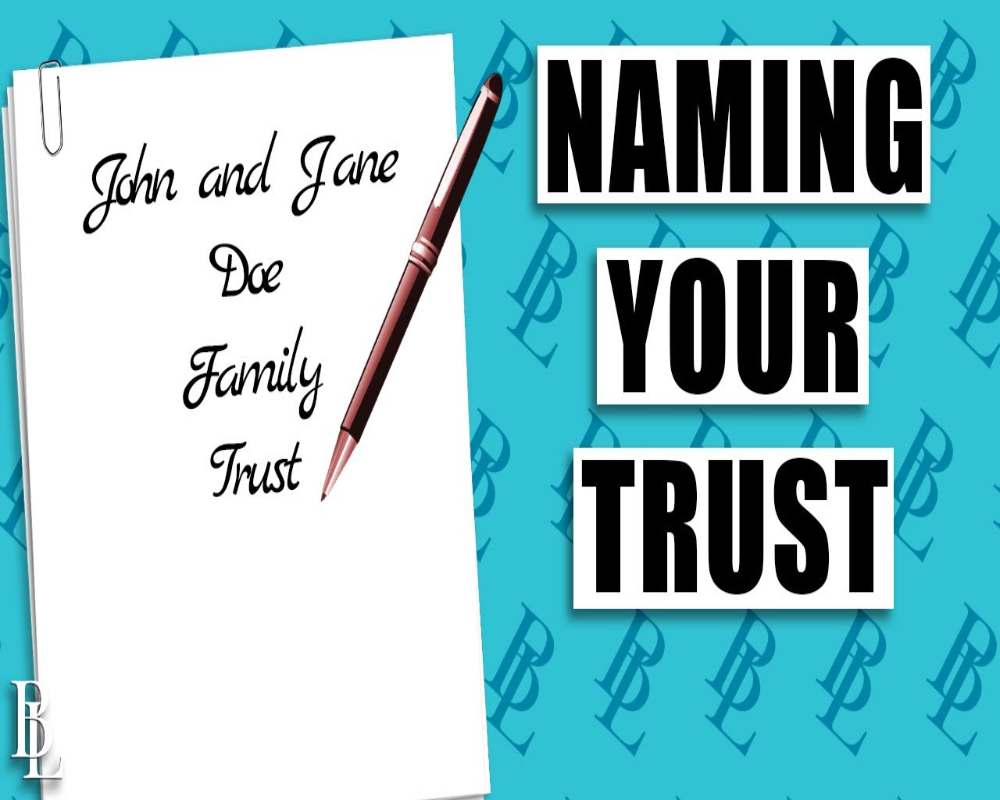
Choosing the right name for a trust is a fundamental step in the process of its formation. The name serves not only as the public identity of the trust but also reflects its vision, purpose, and values. It is the first point of interaction with beneficiaries, donors, government authorities, and the general public. In India, the name of a trust must comply with certain legal, ethical, and practical guidelines to ensure uniqueness, legality, and alignment with its objectives. A well-chosen name builds credibility, supports branding, and simplifies registration and compliance processes. This article outlines the key legal and practical guidelines for naming a trust in India.
Reflecting the Purpose of the Trust
A trust’s name should clearly reflect its purpose or mission. For example, a trust focused on education may include words like “Education,” “Vidyalaya,” “Shiksha,” or “Learning” in its name. A religious trust might use “Temple,” “Ashram,” or the name of a deity. A medical or health-related trust may opt for “Health,” “Wellness,” or “Hospital.” Including keywords related to the trust’s activities helps in creating transparency and ensures that the name resonates with the beneficiaries and donors. It also simplifies recognition by the public and authorities.
Avoiding Similarity with Existing Trusts or Entities
One of the key legal requirements is that the name of a trust should not be identical or deceptively similar to the name of an existing registered trust, society, company, or NGO. This is important to avoid confusion, misrepresentation, and potential legal disputes. While registering a trust, the authorities may reject the application if the proposed name matches an already existing entity. It is advisable to conduct a name availability search through online databases or registrar records before finalizing the trust name. This also protects the organization from trademark-related issues later on.
Avoiding Use of Restricted or Misleading Words
Trusts must not use prohibited or misleading terms in their names. Words that suggest affiliation with the Government of India, State Governments, international agencies, or suggest official status—such as “National,” “RBI,” “UN,” “Ministry,” or “Republic”—are restricted unless special approval is obtained. Using such terms without authorization can lead to legal action and rejection of the trust registration application. Similarly, terms like “Company,” “Corporation,” or “Ltd.” should be avoided as they are misleading and imply a for-profit structure, which contradicts the nature of a charitable trust.
Inclusion of the Word ‘Trust’ (Optional but Recommended)
While not legally mandatory, it is often recommended to include the word “Trust” at the end of the name to indicate its legal structure and purpose. For example, “Green Hope Charitable Trust” or “Ramanujan Educational Trust.” This not only helps in classification but also adds to the credibility and transparency of the organization. In some cases, the use of “Foundation” or “Mission” is acceptable, especially when the trust operates across various domains or regions, but it must still comply with applicable naming conventions.
Language and Regional Relevance
The name of the trust can be in any Indian language or English, depending on the location, target audience, and area of operation. If the trust operates in a specific region, it may choose a name in the local language to connect more deeply with the community. However, the trust deed must provide an English translation of the name if it is written in another script for ease of registration and documentation. The name should also be easy to pronounce, culturally appropriate, and free from controversial or offensive terms that could lead to public objections or challenges during registration.
Alignment with Trust Objectives
The name should not imply objectives that the trust does not intend to pursue. For instance, including terms like “Health” or “Women’s Welfare” in the name requires that such objectives are clearly outlined in the trust deed. If there is a mismatch between the name and the objectives stated in the trust deed, the registering authority may ask for clarification or reject the application. Therefore, it is important that the trust name is in sync with the scope and purpose stated in its governing documents.
Avoiding Religious or Political Sensitivities
When choosing a name for a trust, it is crucial to respect religious, cultural, and political sensitivities. Names that could offend or target particular communities, beliefs, or political ideologies should be strictly avoided. This is especially important for public charitable trusts that operate in diverse communities. Any indication of bias or controversy in the trust name could not only affect public support but also invite objections or complaints during the registration process or in future operations.
Consistency Across Documents and Platforms
Once a trust name is finalized and registered, it must be used consistently across all legal documents, communications, and digital platforms. The same name must appear on the trust deed, registration certificate, PAN card, bank account, donor receipts, and official correspondence. Any variation or abbreviation may cause administrative confusion or delay in transactions. If the trust operates under a shorter brand name for public communication, it must still mention the registered name in formal dealings and registrations.
Conclusion
Choosing a name for a trust is more than a creative exercise—it is a legal and strategic decision that influences how the trust is perceived and governed. The name should reflect the trust’s mission, be unique and legally permissible, avoid restricted or misleading terms, and align with its stated objectives. It must also respect cultural sensitivities and be consistently used across all platforms. A carefully chosen and properly registered name establishes a strong foundation for trust formation, builds organizational identity, and enhances stakeholder confidence. By following the appropriate guidelines, founders can ensure that the trust begins its journey on a clear and credible path.
Hashtags
#TrustNaming #EstatePlanning #TrustGuidelines #FinancialLiteracy #WealthManagement #LegalAdvice #TrustFund #AssetProtection #FamilyTrust #TrustLaw #FinancialPlanning #Trustees #LegacyPlanning #TrustCreation #EstateLaw #TrustNamingTips #WealthPreservation #TrustManagement #FinancialSecurity #SmartInvesting
0 Comments