


Introduction
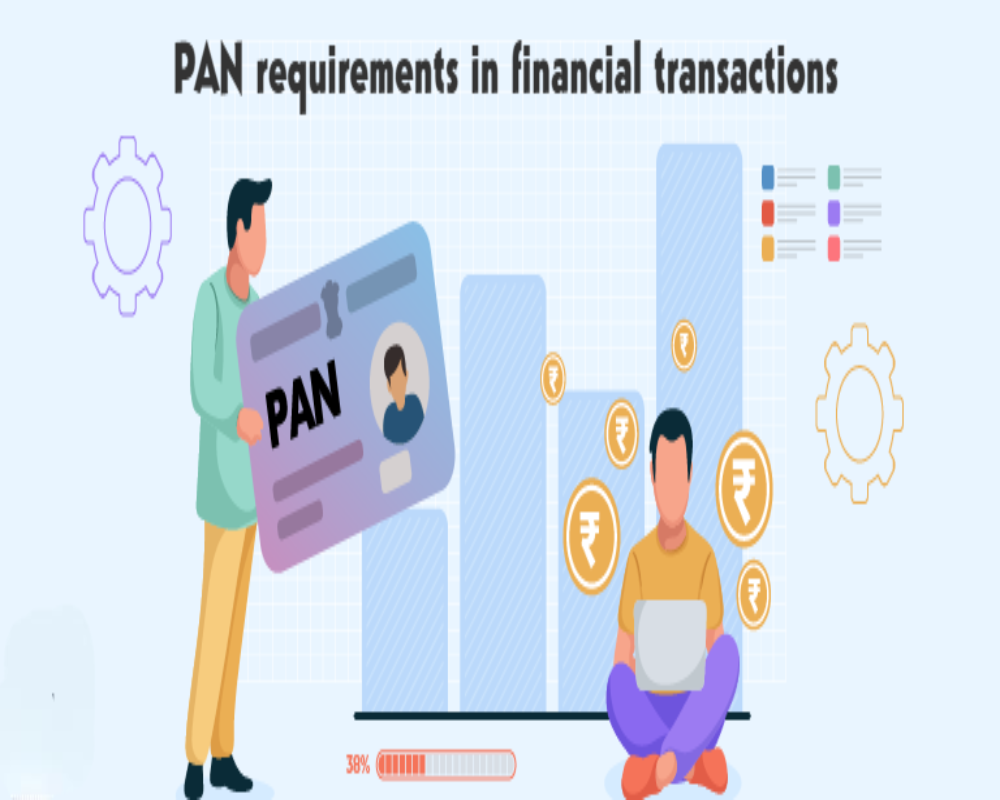
The Permanent Account Number (PAN) has become an integral part of the financial ecosystem in India. Issued by the Income Tax Department, PAN is a ten-character alphanumeric identifier used to track and monitor financial transactions. Over time, the government has made it mandatory to quote PAN in various financial activities to promote transparency, ensure tax compliance, and prevent financial malpractices. Understanding PAN requirements in financial transactions is essential for individuals, businesses, and institutions to remain compliant and avoid penalties.
1. PAN in High-Value Cash Deposits
PAN is mandatory when depositing cash over ₹50,000 in a single day in a bank or post office. This helps the Income Tax Department track large deposits and assess whether the source of such funds has been declared in the taxpayer’s income.
2. PAN in Fixed Deposit Investments
For opening or maintaining fixed deposits exceeding ₹50,000 with banks, post offices, or NBFCs, quoting PAN is compulsory. This allows the authorities to link interest income with the taxpayer’s PAN and verify if it has been appropriately taxed.
3. PAN for Opening Bank Accounts
While opening a current account or a savings account with any bank or financial institution, PAN must be provided. It ensures that all financial transactions initiated from the account are monitored and can be cross-verified with declared income.
4. PAN for Mutual Funds and Stock Investments
Investing in mutual funds, bonds, or the stock market requires quoting PAN if the investment amount exceeds ₹50,000. PAN helps track investment income, capital gains, and ensures proper reporting of income from securities.
5. PAN in Purchase and Sale of Property
Any purchase or sale of immovable property worth ₹10 lakhs or more requires both the buyer and seller to quote their PAN. This measure helps prevent benami transactions and underreporting of property values for tax evasion.
6. PAN in Credit Card Applications
Banks and financial institutions require PAN for issuing credit cards. This helps assess the applicant’s financial history and ensures that the credit card usage is in line with declared income and tax filings.
7. PAN in Foreign Exchange and Travel
For foreign travel bookings exceeding ₹50,000 or purchase of foreign currency, PAN must be quoted. This helps the government monitor cross-border financial movements and prevent illegal fund transfers.
8. PAN in Purchase of Jewelry and Bullion
If a person buys jewelry or bullion valued above ₹2 lakhs in a single transaction, PAN must be provided. This rule is aimed at curbing the use of black money in luxury purchases and ensuring traceability of large expenditures.
9. PAN in Insurance Premium Payments
When the aggregate premium paid in a financial year exceeds ₹50,000, quoting PAN is mandatory. This ensures that high-value insurance policies are not used as tools for concealing income.
10. PAN for Business and Professional Payments
Businesses making payments exceeding specified limits for professional fees, contractor services, or commission must quote the PAN of the recipient. This enables accurate deduction and reporting of TDS and ensures tax accountability.
Conclusion
PAN requirements in financial transactions are a cornerstone of India’s efforts to build a transparent and compliant economic system. By making PAN compulsory in high-value and sensitive transactions, the government ensures that income is reported accurately and tax liabilities are properly addressed. Whether an individual or a business, quoting PAN is not just a legal obligation but also a responsible step toward maintaining integrity in financial dealings. As digital and financial reforms continue to evolve, the role of PAN will remain central in enabling fair and accountable economic growth.
Hashtags
#PANRequirements #FinancialTransactions #TaxCompliance #KnowYourCustomer #KYC #FinancialLiteracy #TaxIdentification #PANCard #IncomeTax #FinancialRegulations #SecureTransactions #DigitalFinance #FinancialAwareness #TaxPlanning #ComplianceMatters #FinanceEducation #PersonalFinance #FinancialSecurity #BusinessFinance #TaxationTips
0 Comments