

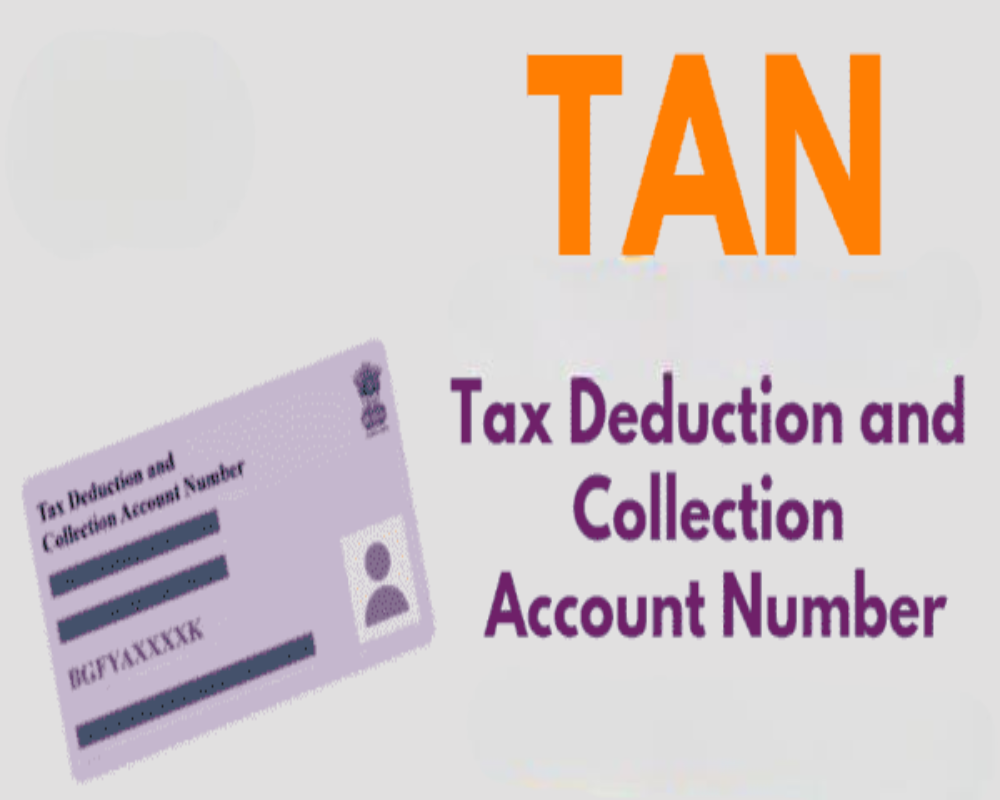

Meaning of TAN in Indian Tax System
Tax Deduction and Collection Account Number is a ten-digit alphanumeric code issued by the Income Tax Department. It is used by entities that deduct or collect tax at source on behalf of the government.
- TAN is governed by Section 203A of the Income Tax Act
- It is mandatory for filing TDS and TCS returns with the tax department
- Every company or deductor must apply for TAN before deducting tax
- It is different from PAN and cannot be substituted in filings
Entities Required to Obtain TAN
TAN is required by any person or organization that is liable to deduct or collect tax at source. This includes companies, government offices, and non-corporate entities.
- All private and public limited companies must obtain TAN
- Partnership firms and proprietorships deducting TDS need TAN
- Government departments paying salaries or contractor fees also require it
- Foreign companies operating through branches in India must obtain TAN
Purpose and Function of TAN
The main function of TAN is to track tax deducted or collected at the source and ensure timely deposit to the government. It ensures proper credit to the deductee’s account.
- Used for submitting quarterly TDS and TCS returns
- Required on all TDS payment challans submitted to banks
- Must be quoted on TDS certificates issued to payees
- Helps in reconciliation of tax deducted with the Income Tax Department
Consequences of Not Having TAN
Failure to obtain TAN or quoting an incorrect number can lead to penalties. It also causes delays in tax processing and may impact deductees’ tax credit claims.
- Penalty of ten thousand rupees for non-compliance with Section 272BB
- Deducted tax may not reflect in the recipient’s Form 26AS
- Returns filed without TAN may be treated as invalid
- TDS certificates issued without TAN are considered non-compliant
Application Process and Allotment of TAN
TAN can be applied for online or offline using Form 49B. Once the form is processed and verified, the TAN is allotted by the Income Tax Department.
- Application is made through NSDL or UTIITSL portals
- Form 49B must be submitted with correct details of the deductor
- Acknowledgment number is provided after successful submission
- TAN is generally issued within ten working days
Mandatory Use of TAN in Tax Documents
TAN must be used consistently in all TDS and TCS documents. This ensures that the tax deducted or collected is traceable and properly recorded.
- Required in all quarterly TDS and TCS statements
- Must be printed on TDS certificates such as Form 16 and 16A
- Used while depositing tax through banks and online portals
- Essential for filing correction statements and refund claims
Key Differences between PAN and TAN
Although both PAN and TAN are issued by the Income Tax Department, they serve different purposes. Confusion between the two can lead to compliance errors.
- PAN is for income tax assessment while TAN is for TDS compliance
- PAN is needed for filing returns, TAN is needed for deducting tax
- PAN identifies the taxpayer, TAN identifies the deductor
- A company must possess both PAN and TAN for full compliance
0 Comments