

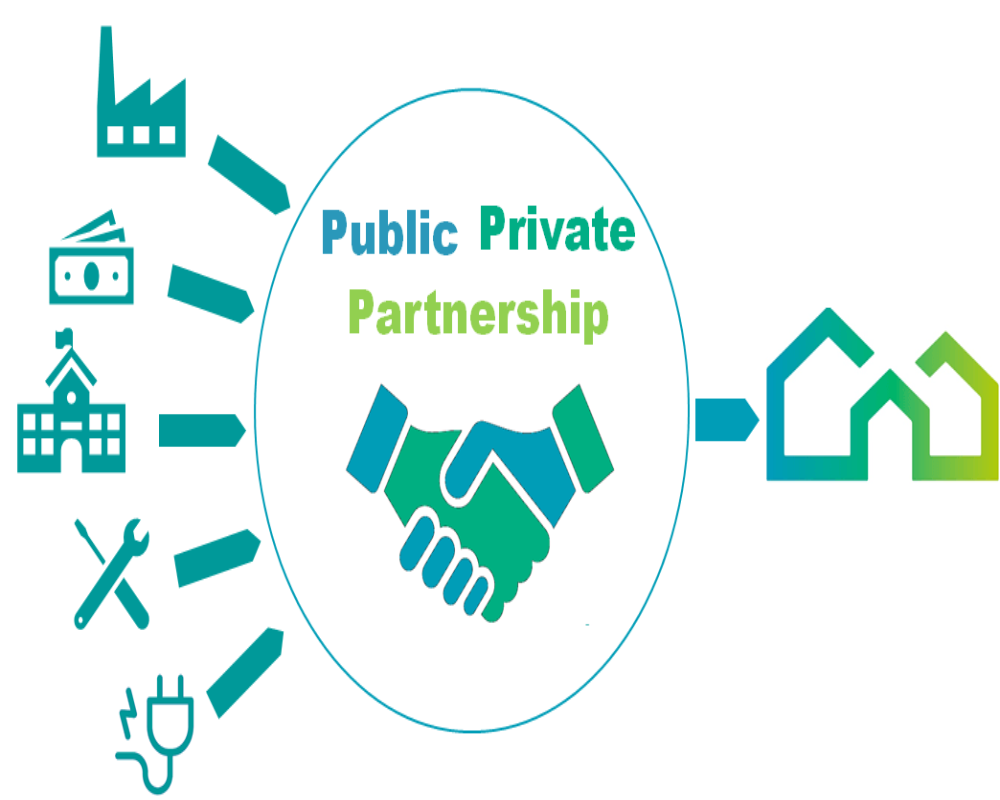

PT Compliance for Private Partners
- Private entities involved in Public-Private Partnerships (PPP) must comply with state PT laws.
- PT registration is required if the private partner employs staff or professionals.
- The obligation exists irrespective of whether the project is infrastructure, service, or technology-based.
- Compliance is mandatory even when operations are within a government project framework.
Employee Deduction and Payment
- Private partners must deduct Professional Tax from their employees’ salaries.
- Deductions must align with the state-wise PT slab structure.
- Monthly payments should be remitted to the respective state authority.
- Accurate records of employee deductions must be maintained.
Separate PT Registration for Project Offices
- If the PPP project involves distinct office locations, separate PT registration may be needed.
- PT must be paid for employees working at each project-specific office or site.
- Even temporary project offices within municipal limits fall under PT jurisdiction.
- The registration must reflect the operational presence of the private entity.
Return Filing Obligations
- Regular filing of PT returns is required by the private partner as an employer.
- The return must include employee count, salary slabs, and tax deducted.
- Filing schedules are set by state rules and must be strictly followed.
- PT returns must be supported by valid challans and payroll records.
Audit and Monitoring by Authorities
- State tax departments may audit PPP entities to verify PT compliance.
- Documents like agreements, employment records, and PT payments are reviewed.
- Any lapse in deduction or remittance may attract penalties.
- Compliance with PT law is essential to maintain operational eligibility in PPP projects.
0 Comments