


Introduction
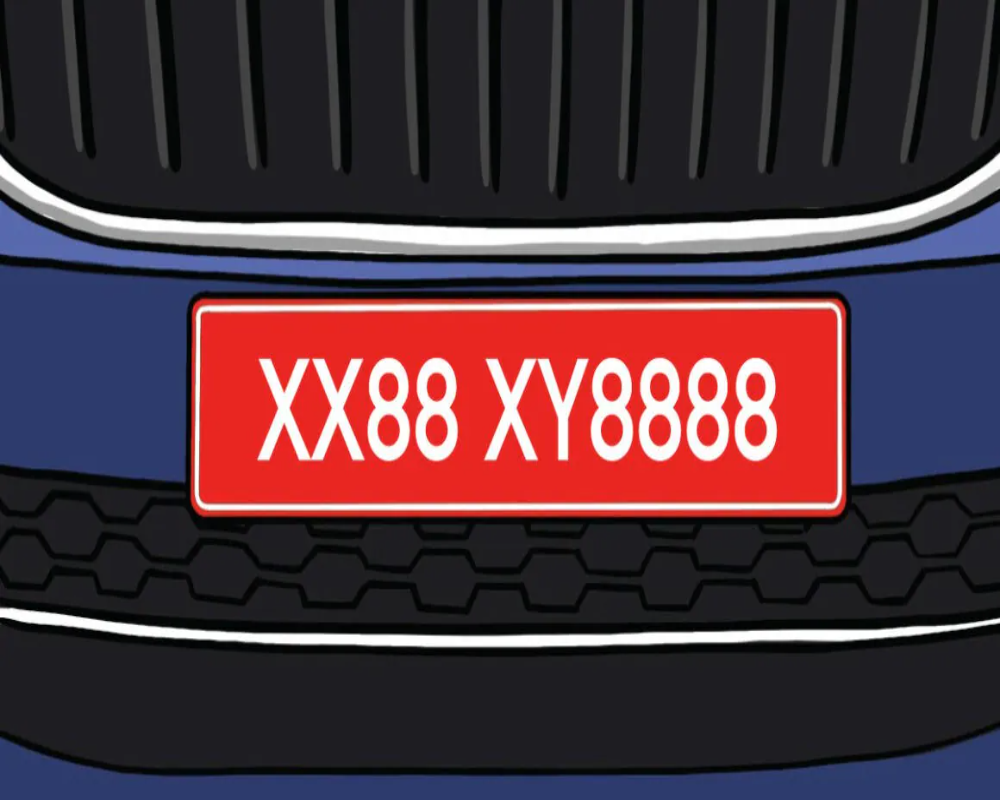
Temporary number plates are issued when a new vehicle is purchased but not yet permanently registered with the Regional Transport Office (RTO). These temporary plates allow legal movement of the vehicle for a limited duration until formal registration is complete. Road tax payment is mandatory even during this interim period, and specific rules govern how road tax is calculated, paid, and linked to temporary registrations. Understanding these rules ensures legal compliance and avoids penalties during the initial phase of vehicle ownership.
Requirement of Temporary Registration
A temporary number plate is issued by the dealer or RTO at the time of purchase and is valid for a short period—typically up to 30 days. During this time, the vehicle must be registered permanently, and road tax must be paid based on the vehicle’s classification and location of registration.
Road Tax Must Be Paid Upfront
Even before a permanent registration number is issued, road tax is payable at the time of temporary registration. This ensures that vehicles are not used on public roads without contributing to state road infrastructure revenue.
Collected by Dealers
In most cases, vehicle dealers collect road tax from the buyer along with registration and insurance charges. The amount is then remitted to the RTO, and a tax receipt is generated, which is linked to the temporary number.
Validity and Extension Rules
Temporary registrations may be extended once in specific cases (like vehicle transport across states or pending documents), but the road tax remains valid only for the declared period. Further use without tax renewal or permanent registration invites penalties.
Different from Transit Permits
Temporary number plates and associated road tax rules differ from transit permits, which are for short-term inter-state transport. Transit permits may require additional short-duration tax depending on the state of travel.
Digital Entry via VAHAN Portal
Road tax paid during temporary registration is recorded in the VAHAN portal, ensuring seamless linking with permanent registration records once the number is issued. This helps in verifying payment history and avoids duplication.
Penalty for Non-Payment
Failure to pay road tax during the temporary registration phase can result in refusal to issue a permanent registration, penalties, or even seizure if the vehicle is found operating illegally.
Vehicle Type-Based Tax Calculation
Road tax on temporary registrations is still based on the vehicle’s ex-showroom price, engine capacity, fuel type, and state-specific slabs. This ensures uniformity in tax structures whether the vehicle is temporarily or permanently registered.
No Road Tax Exemption for Temporary Numbers
There is no road tax exemption during the temporary number phase. Even electric vehicles or exempt categories must follow the standard tax reporting structure before receiving permanent registration benefits.
Conversion to Permanent Registration
Once the vehicle is assigned a permanent registration number, the road tax payment made earlier is transferred or adjusted under the new number, avoiding double payment.
Conclusion
Road tax on temporary number plates is a legal obligation that ensures state revenue collection begins the moment a vehicle enters public use. It forms the financial and regulatory basis for permanent registration and must be paid accurately and promptly. Buyers and dealers must ensure proper documentation and payment at the time of delivery to avoid legal issues during the registration process.
hashtags
#TemporaryNumberPlate #RoadTaxIndia #VehicleRegistration #RTOIndia #TransportDepartment #MotorVehicleTax #TemporaryRegistration #VAHANPortal #VehicleCompliance #VehiclePurchase #RTOGuidelines #LegalVehicleUse #VehiclePermit #VehicleOwnership #RoadTaxRules #DealerResponsibility #TransitPermit #VehicleTransfer #RCGeneration #TaxReceipt #VehicleDocumentation #StateTransportPolicy #VehiclePurchaseChecklist #RoadTaxPayment #NewVehicleRegistration
0 Comments