

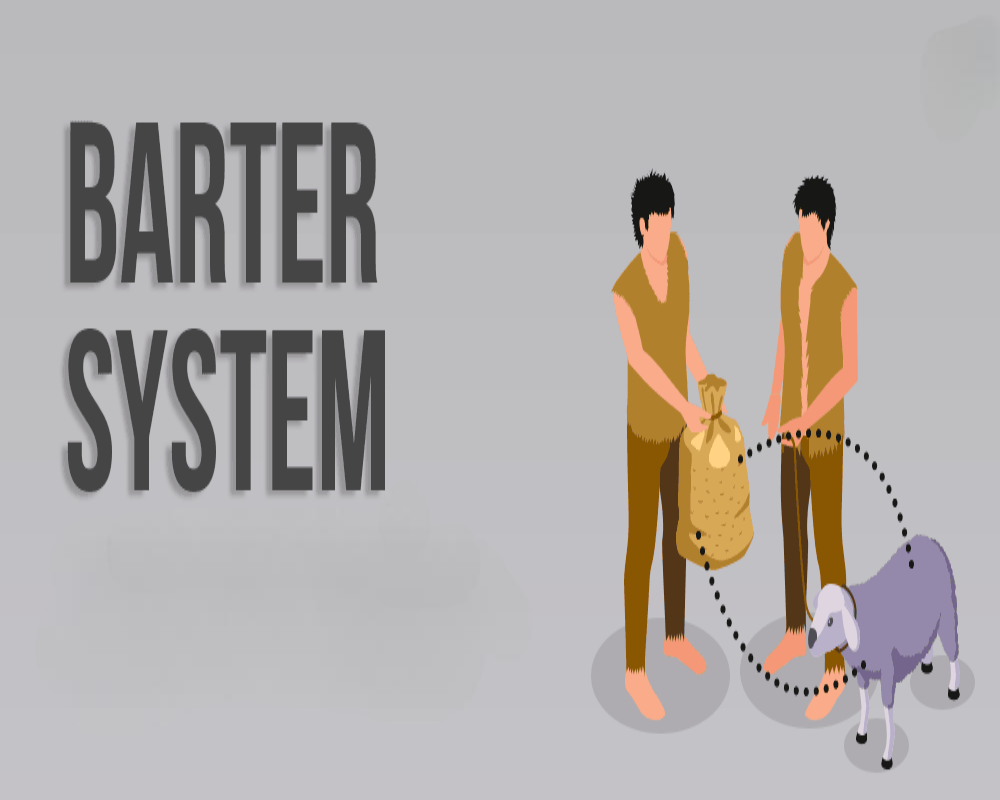

Understanding Barter Transactions under VAT Law
- A barter transaction involves exchange of goods for goods, without the use of money
- Under VAT law, a sale includes any transfer of goods for consideration, and barter is treated as such
- The consideration in barter is the value of the goods or services received in return
- Therefore, both parties in a barter transaction are considered to have sold goods and made a taxable supply
- VAT is applicable on each leg of the transaction, as both are independent taxable sales
Valuation for VAT in Barter Deals
- VAT is calculated based on the fair market value of the goods exchanged
- If the value is not declared, the department may assess it based on prevailing market rates
- Each party must issue a tax invoice for the value of goods they supplied
- The taxable value must be reasonable and consistent with similar market transactions
- Any discount or price difference must be documented to justify tax valuation
Accounting and Documentation Requirements
- Separate sales invoices must be raised by both parties even if no cash is exchanged
- Invoices should clearly state “barter transaction” and mention the value for VAT purposes
- Both parties must account for VAT output tax on the value of goods given
- Input tax credit may be claimed (if eligible) on the goods received in barter
- Proper stock entries, ledger postings, and return declarations are necessary for compliance
Common Scenarios Where VAT on Barter Applies
- Exchange of old goods for new items (e.g., buy-back of electronics or vehicles)
- Swap of promotional items or materials between distributors and dealers
- Barter of goods between two manufacturers or traders for bulk supply agreements
- Exchange of goods as part of advertising or co-branding arrangements
- Cross-supply deals in construction, printing, or packaging industries
Audit and Compliance Implications
- Tax authorities scrutinize barter transactions during VAT audits to check for undervaluation or evasion
- Failure to issue proper invoices or declare barter sales may lead to tax demands and penalties
- If only one party accounts for VAT, the other may face input tax credit denial or re-assessment
- Barter must be reported in returns under the appropriate supply or sale heads
Transparent treatment helps ensure legal compliance and avoid litigation
0 Comments