

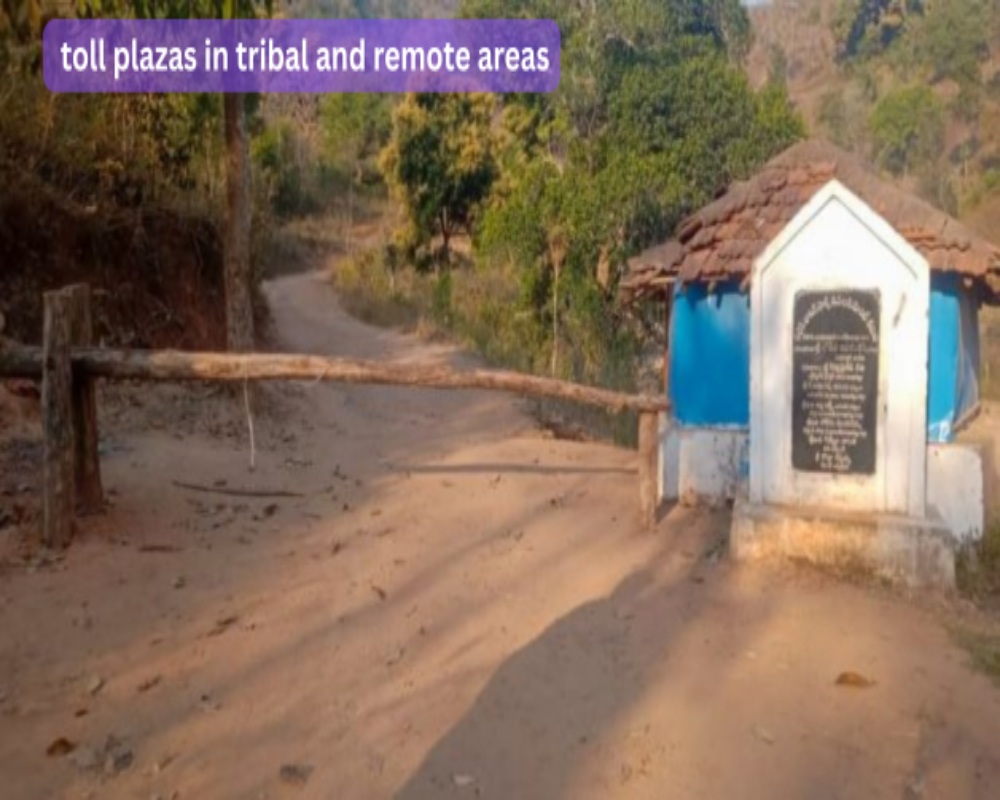

Presence of Toll Plazas in Tribal and Remote Areas
- While toll plazas are primarily located on national and state highways, some remote and tribal areas do have toll collection points.
- Toll roads that connect remote regions to larger urban centers may include toll plazas to maintain and improve infrastructure.
- However, the density of toll plazas in tribal and remote areas is generally lower compared to urban and high-traffic regions.
- Tolling is typically implemented where it is economically viable and where road development or maintenance requires additional funding.
Toll Exemptions and Concessions for Tribal Communities
- In some cases, tribal communities living in remote areas may receive toll exemptions or discounts.
- This may be done to ensure that the cost of tolls does not disproportionately affect local residents, especially if they rely on the road for essential travel.
- State governments or toll operators may offer special passes or subsidies to indigenous communities to reduce their financial burden.
- Toll concessions are often offered for essential vehicles, such as those transporting goods or medical supplies to remote tribal areas.
Infrastructure Development and Road Connectivity
- Many toll roads are developed as part of infrastructure projects to improve connectivity to remote and tribal areas.
- These roads can significantly enhance access to healthcare, education, and markets for tribal communities.
- Toll revenues may be used to fund further infrastructure development in these areas, improving road quality and safety.
- In some cases, tolls may help maintain access to essential services in areas with limited resources or harsh terrain.
Challenges in Implementing Tolling in Remote Areas
- The introduction of toll plazas in tribal and remote areas faces logistical challenges, including low traffic volume and the economic constraints of local communities.
- There are concerns about the fairness of toll collection in areas with low-income populations or where road usage is limited.
- The geographic isolation of many tribal regions can make it difficult to establish and maintain toll collection systems effectively.
- The lack of digital infrastructure and internet connectivity in remote areas also complicates the implementation of automated toll systems like FASTag.
Alternative Funding Mechanisms for Remote Areas
- In some cases, alternative funding mechanisms, such as government grants or subsidies, are used to maintain roads in tribal and remote regions instead of tolls.
- Government initiatives, such as the Pradhan Mantri Gram Sadak Yojana (PMGSY), focus on improving rural road infrastructure without toll imposition.
- Public-private partnerships (PPPs) may be used for developing roads in remote areas, where tolling is not feasible due to economic factors.
- In some areas, road maintenance is funded through other revenue sources, such as state or central government budgets, rather than toll collections.
0 Comments