1. Separate Legal Entity A Public Limited Company is recognized as a distinct legal entity. It can own property, enter into contracts, and sue or be sued in its name. The existence of the company is independent of its shareholders. It continues to operate even if the...
Public Limited Company Articles
How is a Public Limited Company different from a Private Limited Company?
1. Ownership and Shareholders A Public Limited Company must have a minimum of 7 shareholders and no limit on the maximum number. A Private Limited Company requires a minimum of 2 and a maximum of 200 shareholders. Public companies can offer shares to the general...
What is a Public Limited Company in India?
1. Definition and Legal Structure A Public Limited Company is an entity registered under the Companies Act, 2013. It has a separate legal identity from its shareholders and directors. The liability of shareholders is limited to the extent of their shareholding. It is...
Briefly explain the use of ERP systems in Public Limited Companies.
Use of ERP Systems in Public Limited Companies Introduction Enterprise Resource Planning (ERP) systems are integrated software platforms that manage and automate core business processes across departments. For Public Limited Companies, ERP systems are crucial for...
Describe FCCBs issued by Public Limited Companies.
Introduction Foreign Currency Convertible Bonds (FCCBs) are hybrid financial instruments issued by Indian Public Limited Companies to raise capital in foreign markets. They are bonds denominated in foreign currency and are convertible into equity shares of the issuing...
Briefly describe SME platform for Public Limited Companies.
Briefly Describe SME Platform for Public Limited Companies Introduction The SME Platform is a specialized trading platform introduced by Indian stock exchanges (like NSE Emerge and BSE SME) for Small and Medium Enterprises, including Public Limited Companies that meet...
Describe the trading process of listed Public Limited Companies.
Trading Process of Listed Public Limited Companies Introduction The trading of shares in listed Public Limited Companies takes place on recognized stock exchanges such as the NSE (National Stock Exchange) and BSE (Bombay Stock Exchange) in India. These platforms allow...
Briefly explain enterprise value of Public Limited Companies.
Enterprise Value of Public Limited Companies Introduction Enterprise Value (EV) is a key financial metric used to assess the total value of a company, including both its equity and debt, while excluding cash and cash equivalents. For Public Limited Companies,...
Describe how credit rating agencies evaluate Public Limited Companies.
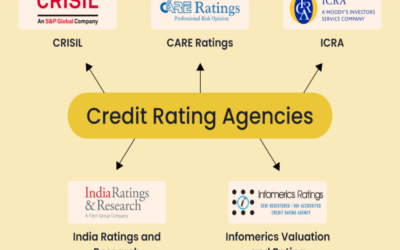
How Credit Rating Agencies Evaluate Public Limited Companies Introduction Credit rating agencies (CRAs) play a pivotal role in the financial ecosystem by assessing the creditworthiness of Public Limited Companies. These ratings help investors, lenders, and regulatory...
Briefly explain leveraged buyouts involving Public Limited Companies.
Leveraged Buyouts Involving Public Limited Companies Introduction A Leveraged Buyout (LBO) is a financial transaction in which a company is acquired using a significant amount of borrowed funds, with the assets of the target company often used as collateral. In the...