


Introduction
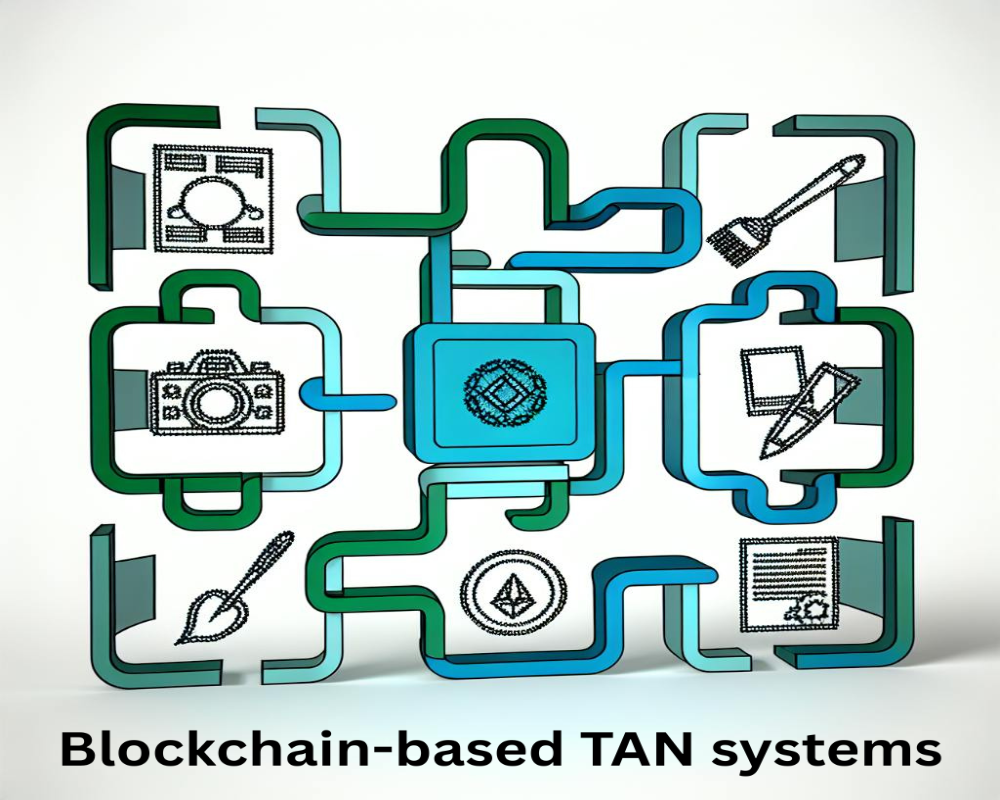
Tax Deduction and Collection Account Number (TAN) is a critical element of India’s tax compliance infrastructure. As tax administration becomes more digitized, blockchain technology is emerging as a powerful tool to transform TAN-related processes. Blockchain’s decentralized, tamper-proof ledger system ensures enhanced transparency, security, and real-time traceability. A blockchain-based TAN system promises to redefine how TDS data is recorded, validated, and shared across stakeholders.
Decentralized Verification of TDS Data
Blockchain enables decentralized validation of TDS transactions linked to TAN. Each transaction is verified by multiple nodes, eliminating reliance on a single authority and enhancing system integrity.
Immutable Recordkeeping
Once a TAN-based transaction is recorded on the blockchain, it cannot be altered or deleted. This immutability provides robust protection against data tampering or manipulation, critical for audit trails and legal compliance.
Transparent Ledger for Regulators
Regulators and tax authorities can access a real-time, transparent ledger of all TAN-linked deductions and filings. This improves oversight, reduces disputes, and shortens response times for assessments and inquiries.
Smart Contracts for Auto-Deduction
Smart contracts can be programmed to auto-deduct TDS when certain conditions are met in a financial agreement. This ensures real-time compliance without manual intervention, especially for recurring transactions.
Enhanced Data Security
Blockchain uses encryption and consensus mechanisms that offer a higher level of data security. TAN records, once stored on-chain, are protected against cyber threats, data loss, or unauthorized changes.
Seamless PAN-TAN Mapping
A blockchain-based system can ensure accurate, verified mapping between TAN and deductee PAN, reducing mismatches in Form 26AS and improving credit reconciliation for taxpayers.
Audit Readiness and Real-Time Reporting
Blockchain allows real-time updates and permanent logging of TAN activity. During audits, organizations can provide verifiable, time-stamped records that simplify inspections and increase auditor confidence.
Integration with Financial and ERP Systems
Blockchain platforms can be integrated with existing financial and ERP systems to capture TAN transactions at the source, ensuring accuracy and eliminating redundancy in data entry.
Reduced Compliance Burden
Automated validation, transparent logs, and decentralized recordkeeping reduce the paperwork and administrative effort involved in maintaining TAN compliance, saving time and resources.
Future-Ready Regulatory Infrastructure
A blockchain-based TAN system supports India’s move toward a digitally inclusive, transparent, and technology-driven tax regime. It prepares the compliance ecosystem for scalability and global best practices.
Conclusion
Blockchain-based TAN systems represent a future-ready solution to traditional compliance challenges. By enhancing transparency, security, and automation, blockchain can reshape how tax deductions are recorded and managed. For businesses, regulators, and taxpayers alike, this innovation offers an opportunity to build a faster, fairer, and more trustworthy tax infrastructure.
Hashtags
#tan #blockchain #taxcompliance #blockchaintax #tdsautomation #incometaxindia #smartcontracts #form26as #tdsrecords #tansecurity #immutableledger #decentralizedtax #tanfiling #taxtransparency #auditready #financialcompliance #panmapping #digitalcompliance #tdstracking #taxinnovation #blockchainledger #regulatorytechnology #taxdeduction #tanintegration #erpcompliance #futureoftax
0 Comments