by Audit Analyst | Jan 19, 2026 | Value Added Tax
Definition and Role of Capital Goods in VAT Capital goods are tangible assets like machinery, tools, and equipment used in the production or supply of goods These are not meant for resale but are used over a period to generate business income Under VAT, capital goods...
by Audit Analyst | Jan 19, 2026 | Value Added Tax
General Rule on VAT for Second-Hand Goods VAT was generally applicable on the sale of second-hand goods if the seller was a registered dealer If the sale involved value addition or commercial resale, VAT was typically levied Sales by casual or unregistered individuals...

by Audit Analyst | Jan 19, 2026 | Value Added Tax
Concept of Reverse Charge Mechanism (RCM) under VAT Reverse Charge Mechanism (RCM) is a system where the buyer, instead of the seller, is liable to pay VAT It is applied to ensure tax compliance in unorganized or high-risk sectors The buyer pays VAT directly to the...
by Audit Analyst | Jan 19, 2026 | Value Added Tax
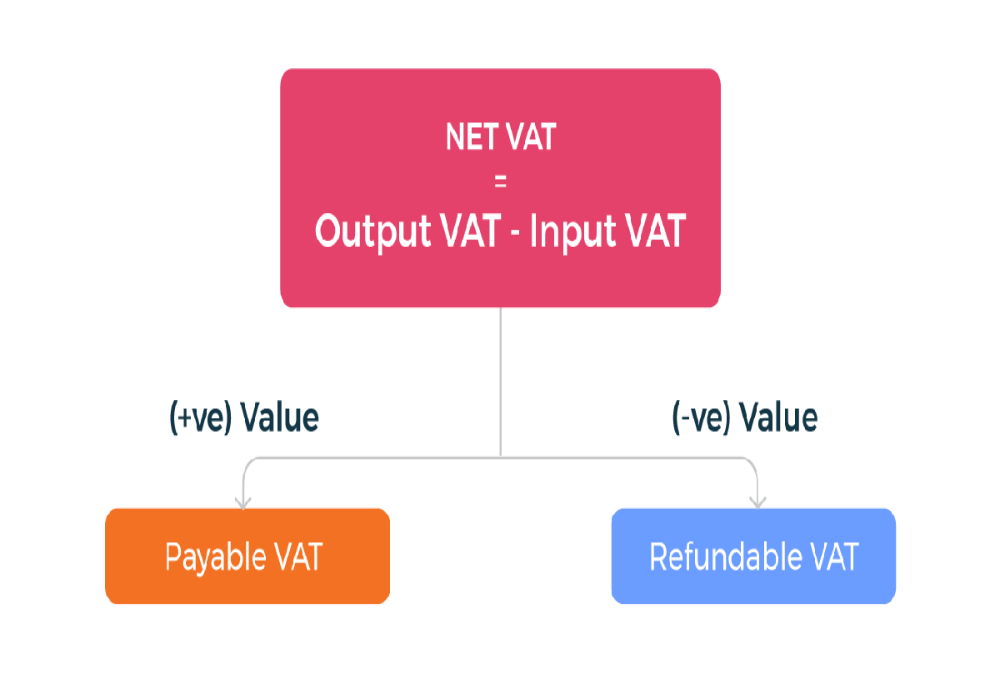
Understanding Input VAT Exceeding Output VAT This situation arises when a business pays more VAT on purchases (input) than it collects on sales (output) It typically occurs in cases of low sales, high stock accumulation, or capital investment Input VAT may also exceed...
by Audit Analyst | Jan 19, 2026 | Value Added Tax
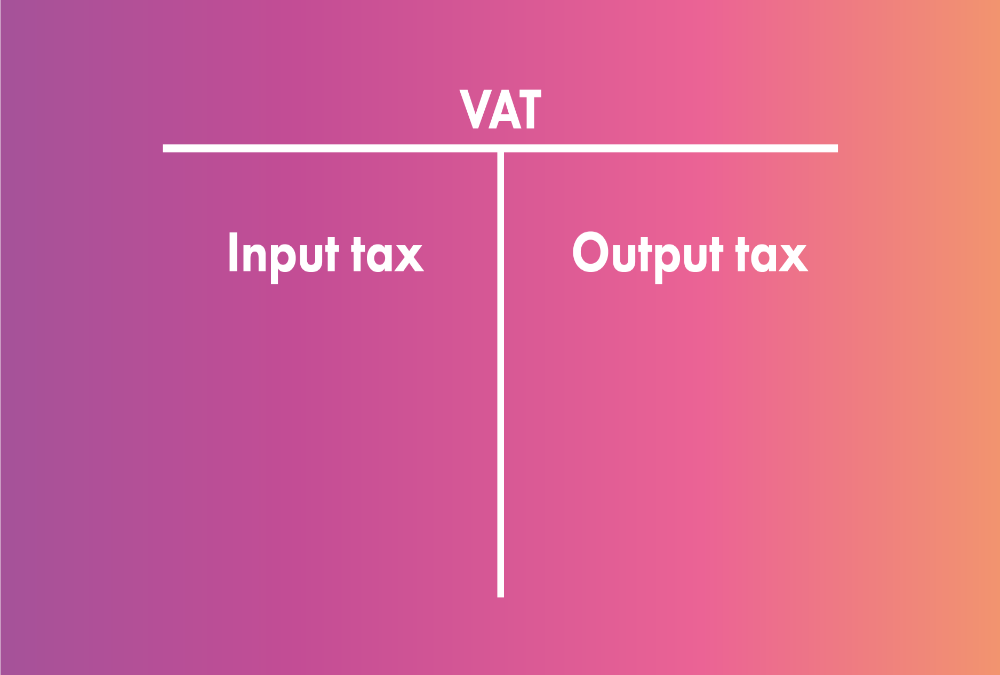
Definition and Meaning Output VAT is the Value Added Tax that a business collects from customers on the sale of goods or services Input VAT is the tax a business pays on purchases of goods or services from other VAT-registered dealers Output VAT is a liability for the...