


Introduction
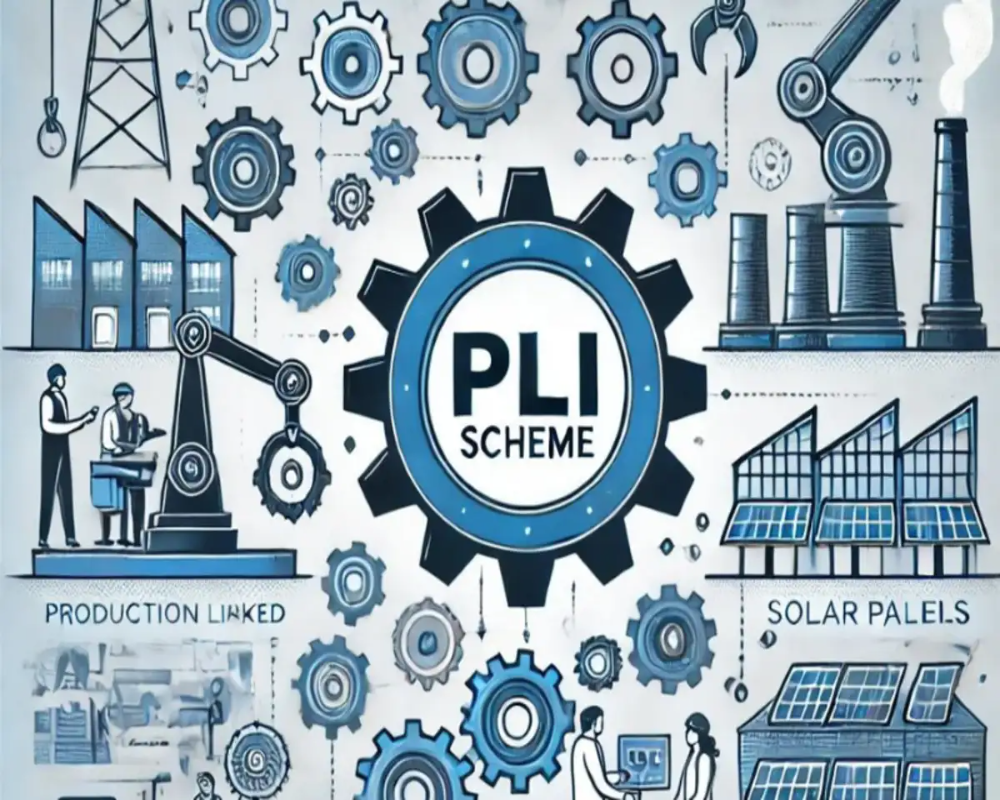
India’s economic landscape is being reshaped by a series of government-led initiatives aimed at promoting industrial growth, self-reliance, and global competitiveness. One of the most significant among them is the Production Linked Incentive (PLI) scheme, which offers financial incentives to businesses that meet predefined production and investment targets. Such initiatives are playing a vital role in attracting joint ventures (JVs) by providing economic support, reducing entry barriers, and encouraging technology transfer and domestic value addition.
Provides Financial Incentives for Scale
PLI schemes offer direct monetary rewards based on incremental production, making it financially attractive for JV partners to scale up domestic manufacturing operations in India.
Encourages Technology Transfer
The incentives promote collaboration between Indian and foreign companies, with foreign partners bringing in advanced technology and Indian firms contributing local knowledge and networks.
Reduces Initial Investment Risk
Government subsidies and policy backing lower the financial burden for JV formation, especially in capital-intensive sectors like electronics, pharmaceuticals, and renewable energy.
Targets Key Growth Sectors
PLI schemes are focused on high-potential industries such as mobile manufacturing, telecom, automotive, solar modules, and medical devices, guiding JVs toward strategic areas of national interest.
Improves Ease of Doing Business
Incentive-linked reforms are often accompanied by improvements in infrastructure, faster approvals, and digital portals, making it easier for JV partners to navigate regulatory processes.
Creates a Stable Policy Environment
The structured, multi-year nature of PLI and similar schemes signals long-term policy commitment, giving confidence to foreign investors entering JVs with Indian entities.
Supports Localisation Goals
PLI-linked JVs are encouraged to increase domestic value addition, contributing to the broader Make in India and Atmanirbhar Bharat goals of reducing import dependence.
Expands Market Opportunities
With government endorsement, PLI-backed sectors gain increased visibility and access to both domestic procurement and export markets, enhancing JV viability.
Encourages Export-Oriented Units
Incentive structures often favor export-oriented production, motivating JVs to set up globally competitive facilities that contribute to India’s export base.
Drives Job Creation and Skill Development
The setup of new JV-led facilities under government schemes contributes to employment generation and leads to investments in workforce training and regional development.
Conclusion
Government-led initiatives like the PLI schemes are instrumental in attracting and sustaining joint ventures in India. By combining financial incentives with strategic policy direction, these programs reduce risk, promote innovation, and foster international collaboration. For JV partners, such initiatives provide a clear pathway to profitability and long-term growth in India’s evolving industrial ecosystem.
Hashtags
#plischeme #jointventureindia #makeinindia #governmentinitiatives #atmanirbharbharat #incentiveprograms #foreigninvestment #technologytransfer #manufacturingindia #businessincentives #easeofdoingbusiness #investmentindia #exportorientedunits #localisationpolicy #jobcreation #industrialgrowth #policyreforms #productionlinked #capexsupport #domesticmanufacturing #startupindia #publicprivatepartnership #strategicsectors #indianeconomy #businesspartnerships
0 Comments