


Introduction
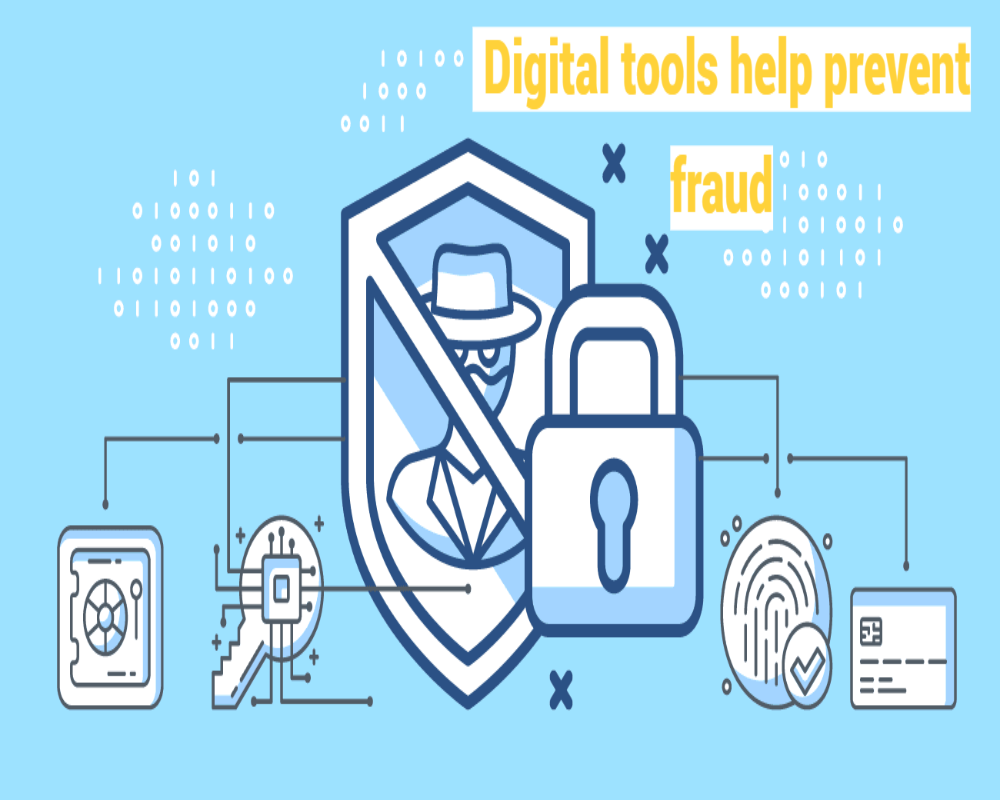
Fraud prevention is a major concern for individuals, businesses, and governments alike. With the growing digitization of financial systems and services, fraudsters have become more sophisticated. However, digital tools have emerged as powerful allies in detecting, deterring, and preventing fraudulent activities. These tools use automation, artificial intelligence, and data analytics to safeguard transactions, monitor behavior, and enforce compliance across multiple sectors.
Real-Time Monitoring and Alerts
Digital tools enable real-time tracking of transactions, accounts, and system activities. Automated alerts are generated when unusual patterns or unauthorized access attempts are detected. This instant feedback allows for immediate investigation and action, stopping fraudulent activity before significant damage occurs.
Identity Verification Systems
Digital fraud prevention starts with knowing who is accessing a system or service. Tools such as biometric authentication, two-factor authentication (2FA), and digital ID verification ensure that only legitimate users gain access. These systems make impersonation or unauthorized entry much harder.
AI and Machine Learning Detection
Artificial intelligence and machine learning algorithms analyze large volumes of data to identify irregular patterns. These tools learn from historical data and adapt to new fraud tactics. They can flag suspicious activities such as identity theft, fake invoices, tax evasion, or money laundering with high accuracy.
Automated Auditing and Reconciliation
Digital tools conduct automated cross-checks and reconciliations between financial records, tax filings, and inventory logs. Discrepancies that could signal fraud—such as inflated expenses or duplicate entries—are flagged automatically, reducing reliance on manual audits and minimizing human oversight errors.
Data Encryption and Access Controls
Encryption technology secures sensitive data such as passwords, banking details, and personal information. Digital tools also implement role-based access controls, ensuring that only authorized personnel can view or modify critical information, thus reducing insider threats.
Digital Trail and Transparency
One of the key advantages of digital systems is the creation of audit trails. Every transaction, login, or modification is logged with timestamps and user identities. This digital footprint supports forensic investigations and ensures accountability, deterring potential fraudsters.
Fraud Scoring and Risk Assessment
Digital fraud detection tools assign risk scores to transactions or user behavior. High-risk actions—such as multiple failed login attempts, large fund transfers, or mismatched documents—are automatically flagged. This helps prioritize which events need further investigation or immediate blocking.
Integration with Regulatory Databases
Digital tools are often linked with national databases such as tax IDs, business registries, or credit bureaus. They can verify the authenticity of documents or identity details instantly. This helps detect forged credentials, shell companies, and other forms of deception in real-time.
Blockchain for Record Integrity
Blockchain technology is increasingly used to prevent fraud in sectors like finance and supply chain. Its decentralized and tamper-proof nature ensures that once data is entered, it cannot be altered or erased. This guarantees the integrity of records and prevents fraudulent changes.
Education and Awareness Through Technology
Digital platforms also serve as tools for fraud awareness. Training modules, alerts, and cyber hygiene checklists help users understand and identify potential scams. Knowledgeable users are less likely to fall prey to digital fraud.
Conclusion
Digital tools have become essential in the fight against fraud. Through real-time monitoring, AI-driven analysis, identity verification, and secure data management, these technologies enhance transparency and significantly reduce the risk of financial crime. As fraud tactics evolve, digital tools must also continue to innovate and adapt to keep individuals and institutions secure.
Hashtags
#fraudprevention #digitalsecurity #aifrauddetection #identityverification #cybersecuritytools #onlinesecurity #automatedaudits #dataprotection #machinelearning #frauddetection #realtimemonitoring #twostepverification #digitalfootprint #databreachprotection #fraudalerts #securetransactions #riskassessment #blockchainsecurity #encryptiontechnology #compliancecheck #userauthentication #regulatorycompliance #businesssecurity #insiderthreats #digitalgovernance
0 Comments