

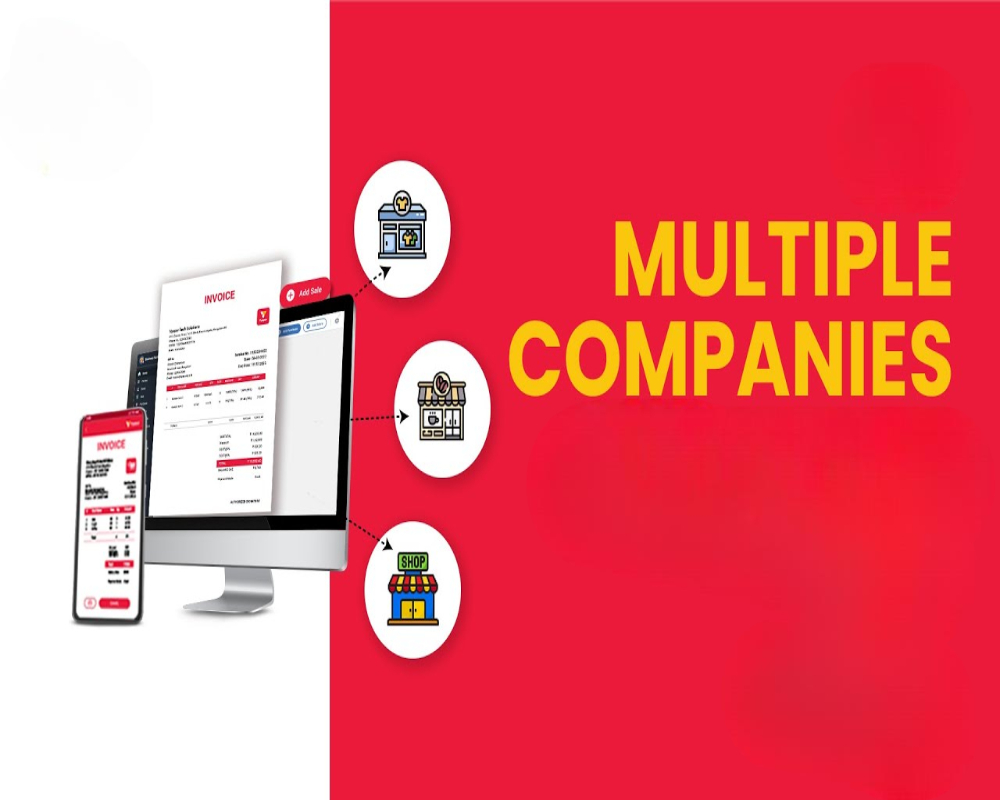

Yes, with Conditions
- A single Digital Signature Certificate (DSC) can be used for multiple companies only if the holder is an authorized signatory in each of those companies.
- The DSC is linked to an individual’s identity, not a specific company.
- If a person is a director, partner, or authorized representative for multiple companies, the same DSC can be used across those entities.
- It must be accepted by each company’s records and registration portals.
- There should be no conflict in role or authorization across companies.
Restrictions Based on Purpose and Portal
- Some government portals may require DSC registration separately for each company.
- The DSC must be individually mapped to each company’s account on the portal.
- The PAN of the DSC holder must match the details provided during portal registration.
- Use must align with portal-specific compliance rules, such as GST, MCA, or EPFO.
Legal and Compliance Considerations
- Use of one DSC across companies is legal if used by the same person in authorized roles.
- Misuse of a DSC on behalf of a company without formal authorization is punishable.
- Organizations must maintain internal documentation authorizing such usage.
- It is important to avoid shared usage where others use the DSC without permission.
Best Practices for Multi-Company Use
- Ensure the DSC includes accurate, up-to-date identification details.
- Maintain written authorization for each company where the DSC is used.
- Register the DSC individually on portals like Income Tax, MCA, or GST for each company.
- Monitor usage to prevent unintentional or unauthorized actions.
- Revoke access if the person’s role changes in any company.
When Separate DSCs May Be Needed
- If roles differ significantly or if DSC is role-based rather than individual.
- When one company requires a specific organization-based DSC.
- If internal policy or portal guidelines restrict the use of one DSC across entities.
- When enhanced separation of duties and legal traceability is required.
0 Comments