


Introduction
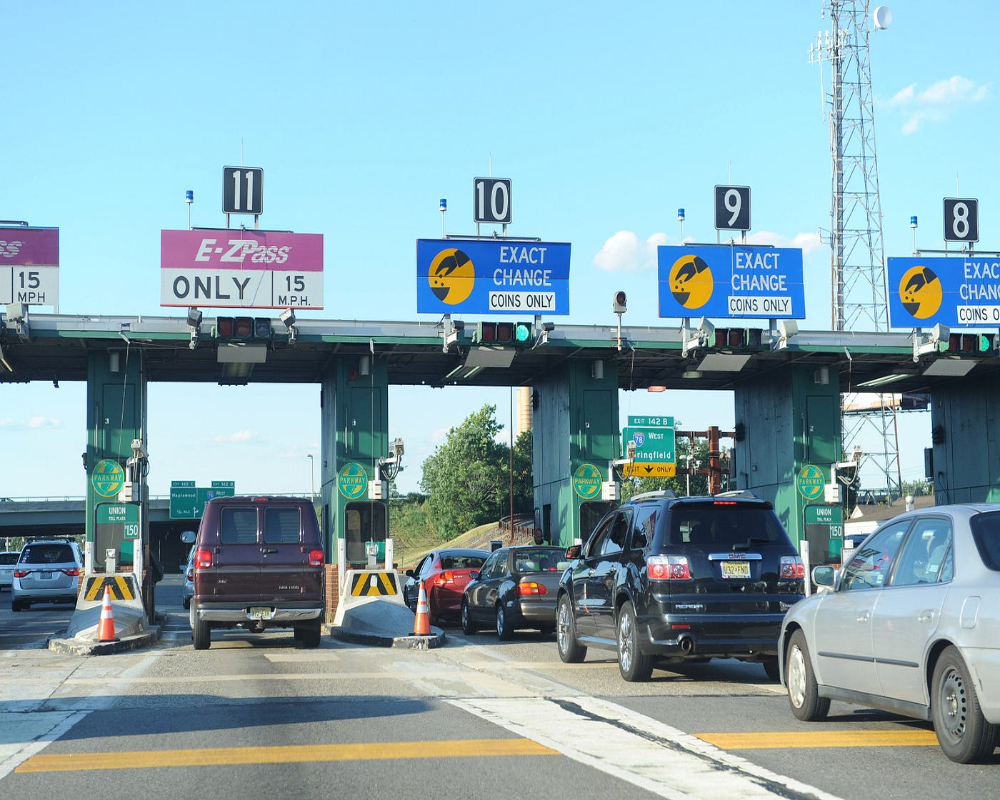
Congestion pricing at toll booths is an innovative strategy used to manage traffic congestion by adjusting toll rates based on real-time traffic conditions. The concept aims to reduce road overcrowding, encourage off-peak travel, and optimize the flow of traffic by using dynamic toll rates. This method is increasingly being considered for implementation in busy metropolitan areas and on high-demand highways to balance road usage and improve overall travel efficiency.
How Congestion Pricing Works
Congestion pricing involves varying the toll rate depending on the volume of traffic at a particular time. During peak hours, when traffic is heavy, toll rates are raised to discourage excessive use of the road, thereby reducing congestion. Conversely, during off-peak hours when traffic is light, toll rates are reduced to incentivize road usage and maintain a steady flow of vehicles.
Dynamic Tolling Systems
Dynamic or variable tolling systems are the backbone of congestion pricing. Using real-time data collected through sensors, GPS devices, and tolling systems (such as FASTag), toll rates are adjusted dynamically. This system is highly efficient in monitoring traffic flow and can implement toll changes within minutes based on current traffic conditions.
Encouraging Efficient Use of Road Resources
The main objective of congestion pricing is to incentivize road users to adjust their travel behaviors. By increasing tolls during peak traffic times, commuters may choose alternative routes, adjust their travel times, or opt for public transportation. This helps alleviate congestion and ensures better utilization of road infrastructure, particularly on urban expressways, bridges, and tunnels.
Revenue Generation for Infrastructure
Congestion pricing also serves as a method to generate additional revenue, which can be reinvested in maintaining and improving road infrastructure. This revenue can help fund upgrades in public transportation systems or road expansion projects to further alleviate traffic congestion in the long run.
Benefits of Congestion Pricing
- Reduced Traffic Congestion: By making travel during peak hours more expensive, congestion pricing encourages people to travel during off-peak times, which helps reduce traffic bottlenecks.
- Environmental Benefits: Reduced congestion leads to lower vehicle emissions and better air quality, as fewer vehicles idling in traffic means lower fuel consumption and reduced carbon footprints.
- Improved Commuter Experience: With less congestion, travel times are shorter, making commuting more predictable and less stressful.
- Efficient Road Usage: Congestion pricing optimizes road capacity by ensuring that roads are used more effectively and that demand is better aligned with supply.
Challenges and Controversies
While congestion pricing offers numerous benefits, it also faces challenges. One of the main concerns is the impact on low-income individuals, who may be disproportionately affected by higher toll rates during peak times. To address this, some systems offer discounts or exemptions to certain vehicles, such as public transport or emergency vehicles. Public acceptance and the transition to dynamic tolling systems also require careful planning, clear communication, and infrastructure upgrades.
Global Examples
Cities like London, Singapore, and Stockholm have successfully implemented congestion pricing models, and these have been widely studied for their effectiveness in managing urban congestion. These cities have used tolls to manage traffic on key routes and urban centers, resulting in improved traffic flow, reduced emissions, and increased use of public transport.
Conclusion
Congestion pricing at toll booths is an effective and modern solution to managing urban traffic congestion while generating revenue for further infrastructure development. By adjusting toll rates based on real-time traffic conditions, it encourages drivers to choose optimal travel times, reduces the environmental impact of traffic, and ensures that roads are used efficiently. However, it requires careful implementation to ensure fairness and to avoid potential negative effects on vulnerable road users.
HASHTAGS
#CongestionPricing #TollBooths #DynamicTolling #TrafficManagement #SmartTolling #UrbanCongestion #VariableTollRates #RoadOptimization #EnvironmentalImpact #PublicTransportIncentives #TrafficFlow #RevenueForInfrastructure #RoadUsageEfficiency #DynamicTollSystems #PeakTrafficControl #UrbanInfrastructure #TransportationPolicy #SustainableTransport #CongestionSolution #TollingInnovation #RoadManagement #SustainableCities #GreenTransportation #CongestionReduction #CityTraffic
0 Comments