

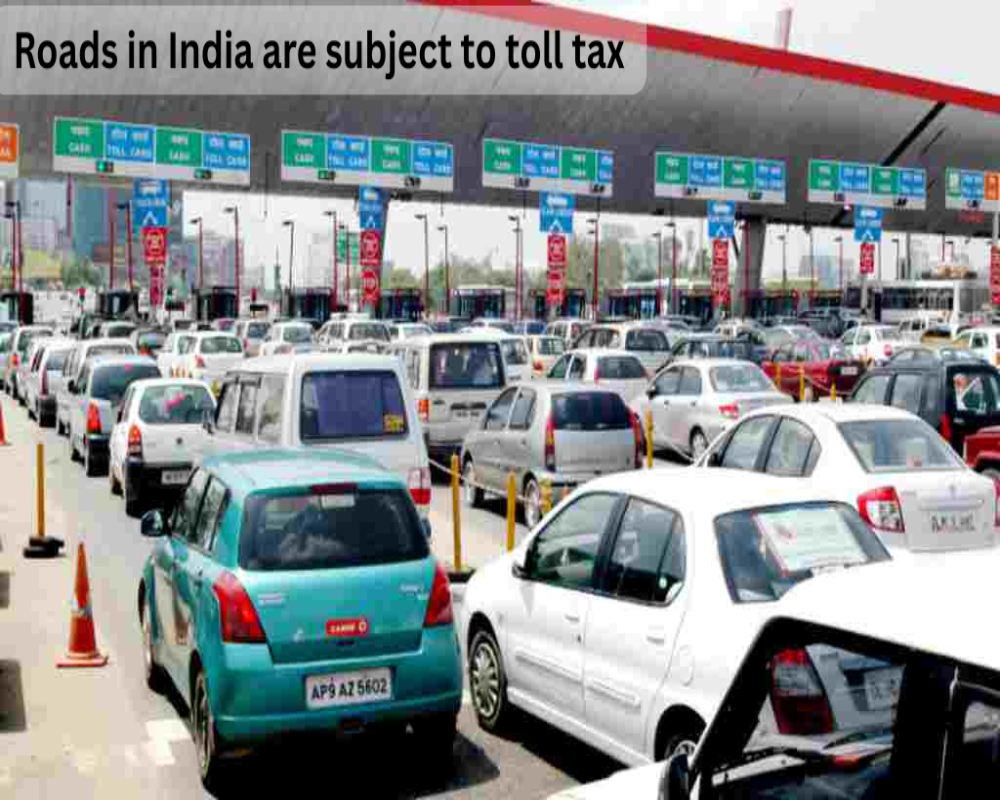

National Highways
- National highways are the primary roads subject to toll tax in India.
- These highways connect major cities, ports, and borders, facilitating inter-state travel and commerce.
- Tolling on national highways helps fund their maintenance, expansion, and modernization.
- The toll rates vary based on the distance traveled, the type of vehicle, and the specific highway.
- The National Highways Authority of India (NHAI) is responsible for toll collection on many of these roads.
Expressways and High-Speed Corridors
- Expressways, which are designed for faster travel with limited entry and exit points, are commonly subject to toll tax.
- High-speed corridors, such as the Delhi-Mumbai Expressway, also levy toll charges to fund road upkeep and upgrades.
- Toll tax on expressways is typically higher due to the better road quality and faster movement allowed on these roads.
- The toll rate often varies based on the number of axles and the vehicle’s weight category.
State Highways
- In addition to national highways, some state highways may also charge tolls.
- State government authorities manage tolling on these roads, which are primarily used for intra-state travel.
- State highways connecting major towns, tourist destinations, and industrial hubs are more likely to have toll collection points.
- Toll rates on state highways are often lower than those on national highways, though this can vary by state and road quality.
Urban Roads and Flyovers
- Some urban roads, especially those that serve as important arterial routes or bypasses, may have toll booths.
- Flyovers and bypasses in urban areas are often subject to toll charges to manage traffic and ensure maintenance.
- Toll tax on urban roads helps fund the construction of new roads, maintenance, and reduces congestion in city centers.
- These tolls may be time-based (e.g., peak hours) or for specific lanes, like dedicated lanes for high-occupancy vehicles.
Bridges and Tunnels
- Bridges and tunnels, especially those that connect major cities or cross rivers, are often subject to toll tax.
- Tolling for bridges is common in metropolitan areas where there are limited crossing points, and maintenance of the infrastructure is critical.
- Tunnels, especially in hilly or mountainous regions, also charge tolls to cover the high cost of construction and maintenance.
- These tolls are charged to all types of vehicles using the infrastructure, though sometimes exemptions apply for local traffic or public transport.
0 Comments