

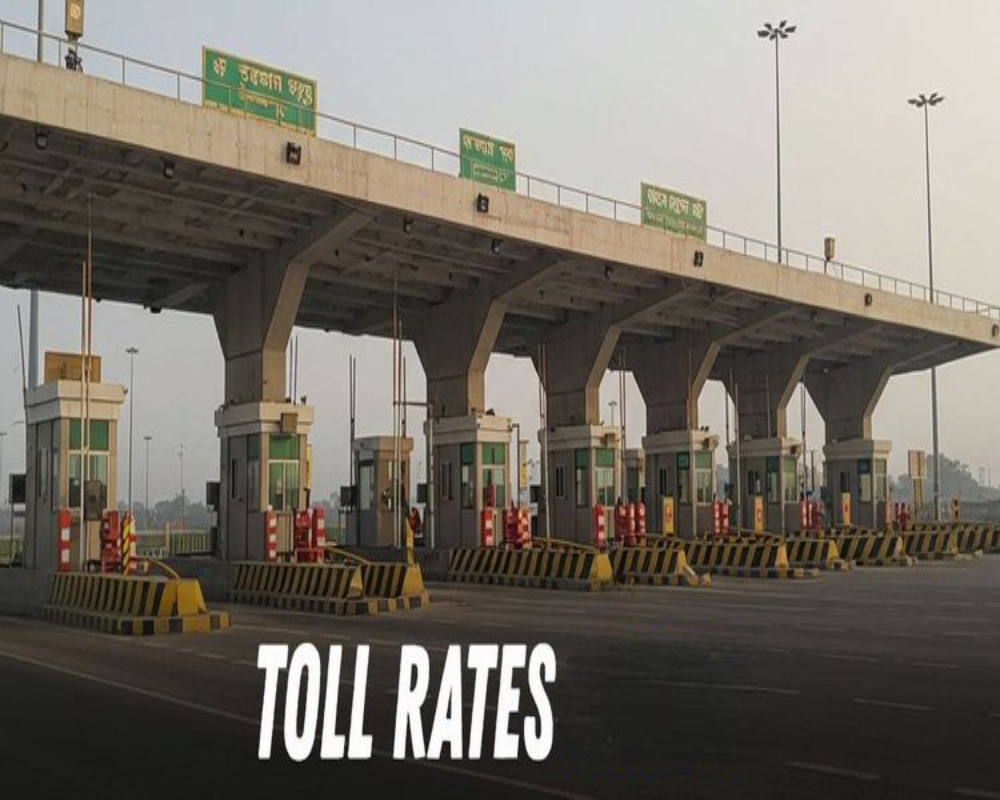

Legal Framework and Authority
- Toll rates in India are governed by the National Highways Fee (Determination of Rates and Collection) Rules.
- These rules are framed under the National Highways Act, 1956.
- The Ministry of Road Transport and Highways is the primary authority for rate approvals.
- The National Highways Authority of India enforces the toll structure on the ground.
- State governments may regulate rates for state highways.
Factors Considered for Rate Fixation
- The cost of construction or upgrading of the road is a primary factor.
- Operation and maintenance expenses are included in the rate formula.
- Rate calculations are based on road length and type of highway.
- Traffic volume projections also influence toll pricing.
- Recovery period and financial viability determine the toll duration.
Vehicle Classification and Tariff Slabs
- Vehicles are categorized into different classes such as cars, LCVs, buses, and multi-axle trucks.
- Each class has a specific toll rate based on road wear impact.
- Heavier and larger vehicles are charged higher tolls.
- Two-wheelers are generally exempt on national highways but may be charged on some state roads.
- Oversized or overloaded vehicles may attract special toll charges.
Type of Road and Infrastructure
- Toll rates differ for expressways, national highways, state roads, and bridges.
- Access-controlled expressways usually have premium rates.
- Bridges and tunnels may have independent toll pricing based on construction cost.
- Bypass roads and urban flyovers may follow state-specific toll models.
- Improved road quality and additional facilities may lead to higher rates.
Annual Revision and Notifications
- Toll rates are revised annually based on inflation indices.
- The Wholesale Price Index is used to calculate rate adjustments.
- Revisions are typically notified on April 1 each year.
- The updated rates are published by the government and enforced by NHAI.
- Public notices are issued to inform users of new toll charges.
0 Comments