

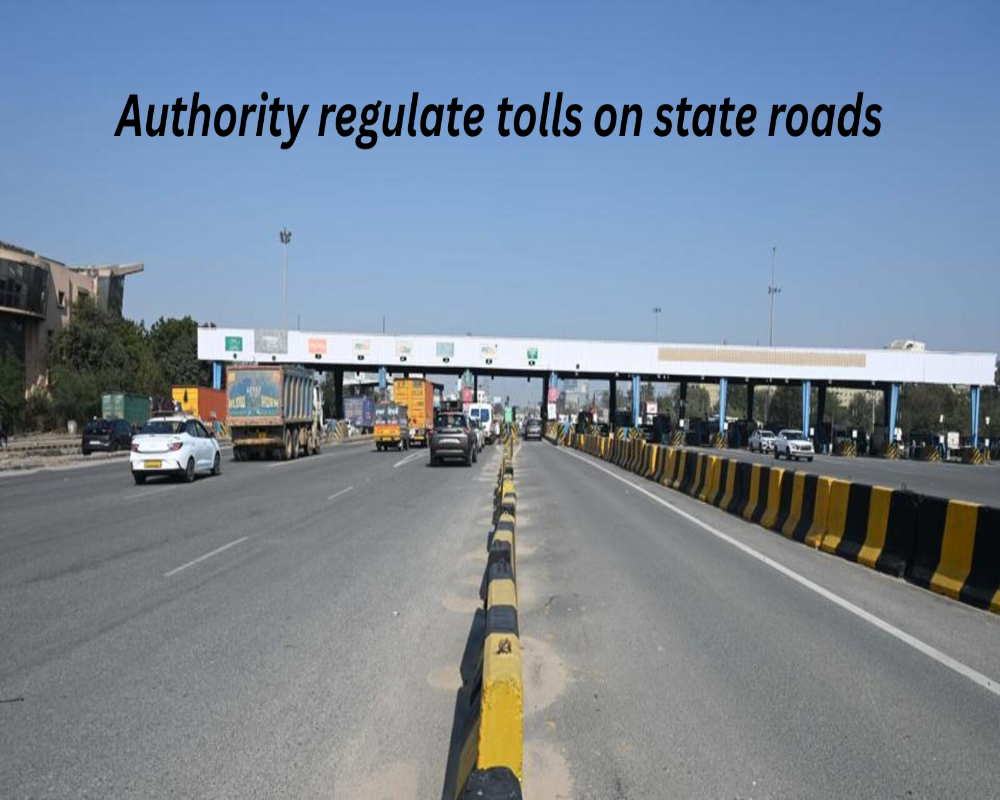

State Government Departments
- Toll on state roads is regulated by the respective state governments.
- Departments such as the Public Works Department oversee toll policies.
- State road and transport authorities manage toll operations.
- They draft rules in accordance with state-specific laws and policies.
- Their role includes planning, execution, and monitoring of toll projects.
State Highway Development Corporations
- Many states operate through State Road Development Corporations.
- These are autonomous bodies formed for road development and toll regulation.
- They act as implementing agencies for toll collection on state highways.
- They manage contracts, project financing, and toll plaza setup.
- They ensure compliance with contractual obligations by private operators.
Public-Private Partnership Units
- Toll projects are often developed under state-level PPP models.
- Private entities collect tolls as per agreements with state authorities.
- These projects follow rules set by the state for rate fixation and toll periods.
- Toll revisions and user charges are approved by state regulators.
- Monitoring committees ensure that toll rules are followed by concessionaires.
Legislative and Regulatory Framework
- State tolls are governed by specific acts or government orders.
- Each state may have its own legislation for toll road development.
- Legal provisions include toll rights, collection methods, and penalties.
- Amendments and notifications are issued by the state cabinet or transport ministry.
- Dispute resolution mechanisms are also included in the legal framework.
Enforcement and Local Oversight
- Toll enforcement on state roads is supported by local police and transport officers.
- Regional authorities check compliance at toll plazas and roadside checkpoints.
- Grievance redressal systems are managed at district or state levels.
- Monitoring teams inspect toll operations for irregularities.
- Toll violations are reported to local enforcement for appropriate action.
0 Comments