

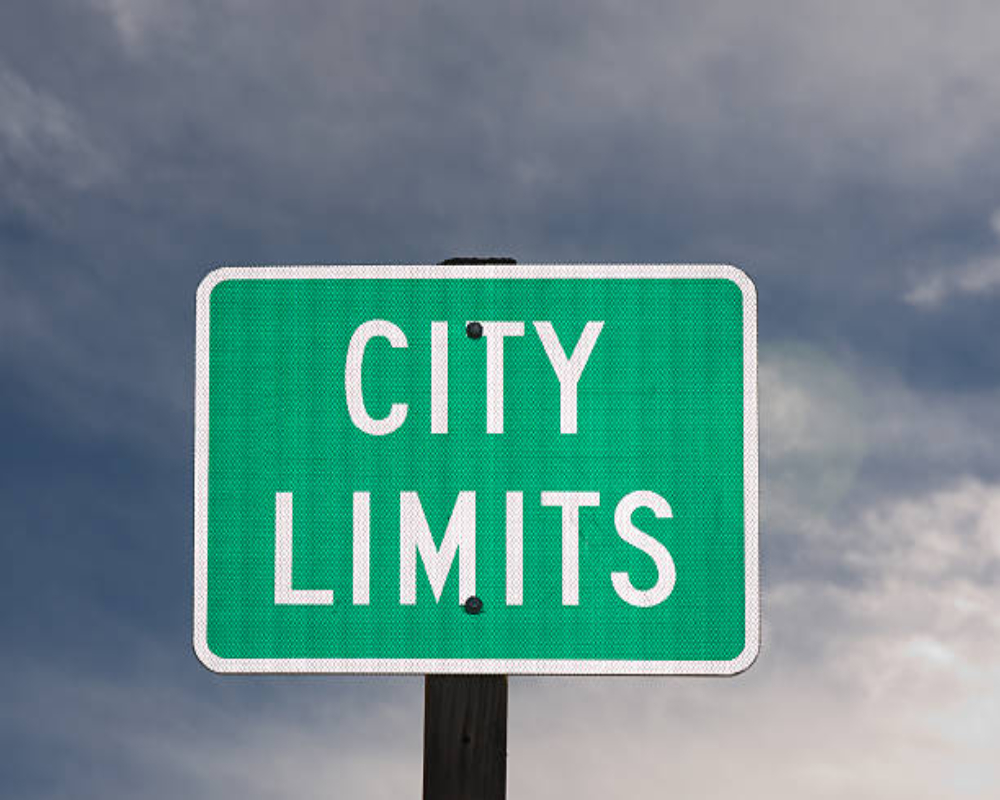

Existence of Urban Toll Plazas
- Yes, some toll plazas are located within or near city limits.
- These usually apply to ring roads, bypasses, or elevated express corridors.
- Tolling in cities is often limited to access-controlled infrastructure.
- Urban tolls are typically set up to manage traffic and maintain city roads.
- These plazas are approved under specific urban development plans.
Types of Urban Toll Roads
- Flyovers, underpasses, and city bypass roads may have toll collection points.
- Elevated roads connecting industrial zones or ports may be tolled.
- Inner ring roads or radial highways sometimes include toll booths.
- Urban expressways built under PPP models often include toll plazas.
- Bridges and tunnels within city regions may also require toll payment.
Purpose of Tolling in Cities
- Urban tolls help in recovering construction and maintenance costs.
- They regulate traffic flow and reduce congestion in city centers.
- Tolls are used to fund high-cost city infrastructure without burdening public budgets.
- They encourage usage of alternate routes to decongest core areas.
- The model ensures sustainable funding for long-term urban infrastructure.
Regulation and Authorization
- City toll plazas are authorized by state governments or urban local bodies.
- Legal provisions under state infrastructure laws govern toll setup.
- Toll rates and exemptions are approved by relevant urban agencies.
- Concession agreements specify toll periods and collection limits.
- Local traffic police assist in enforcement and regulation.
Controversies and Public Response
- Urban tolls often face opposition due to perceived burden on daily commuters.
- Concerns include toll collection on under-maintained roads.
- Protests have led to removal or relocation of some city toll plazas.
- Authorities may grant exemptions for local residents or frequent users.
- Urban tolling is being reviewed with a shift towards digital and congestion pricing models.
0 Comments