

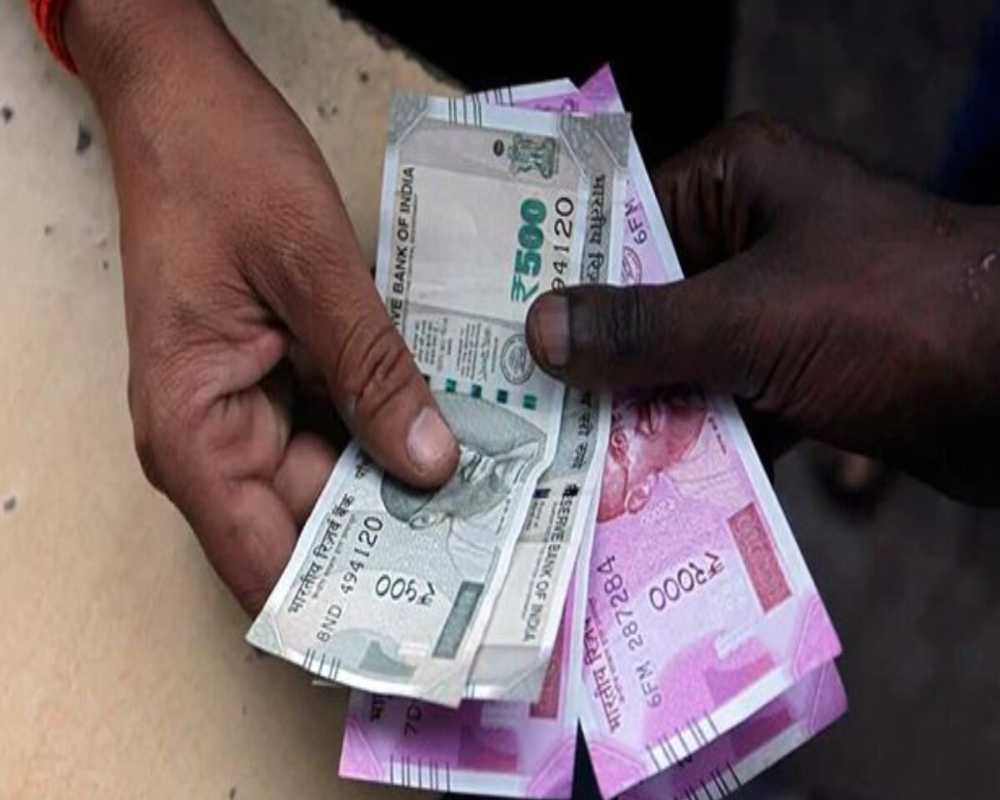

Cash Payment Policy in India
- Cash payment is still permitted at many toll plazas across India.
- As per government guidelines, one hybrid lane at each toll plaza must accept cash.
- These lanes are maintained to accommodate vehicles without FASTag.
- Cash payment remains a backup option for users facing FASTag issues.
- However, digital payments are strongly encouraged nationwide.
FASTag Mandate and Compliance
- From February 15, 2021, FASTag has been made mandatory for all vehicles.
- Vehicles without FASTag must pay double the toll amount at FASTag-only lanes.
- This mandate applies to all national highway toll plazas.
- Cash-paying vehicles are only allowed in designated hybrid lanes.
- The policy aims to reduce congestion and improve transparency.
Exceptions and Remote Areas
- In some remote or low-traffic areas, cash tolling remains the primary method.
- Smaller state highway toll plazas may still operate fully on cash.
- Certain old concession agreements allow cash-based tolling until upgrades.
- Transition to electronic tolling in these regions is in progress.
- Users should check in advance when traveling through such regions.
Infrastructure and Operational Limits
- Not all toll plazas are equipped with sufficient digital payment systems.
- Power failures or technical glitches may force temporary cash acceptance.
- Toll booths maintain manual receipt books for emergency cash handling.
- Operators are trained to manage both electronic and cash transactions.
- Audits are conducted to ensure proper accounting of cash collections.
User Advisory and Best Practices
- Vehicle owners are advised to install FASTag for ease of travel.
- Keeping change for emergency cash payment is still a practical step.
- Drivers should look for signage that marks cash-accepting lanes.
- In case of payment disputes, a receipt must be collected immediately.
- Authorities recommend minimizing cash use for faster toll clearance.
0 Comments