

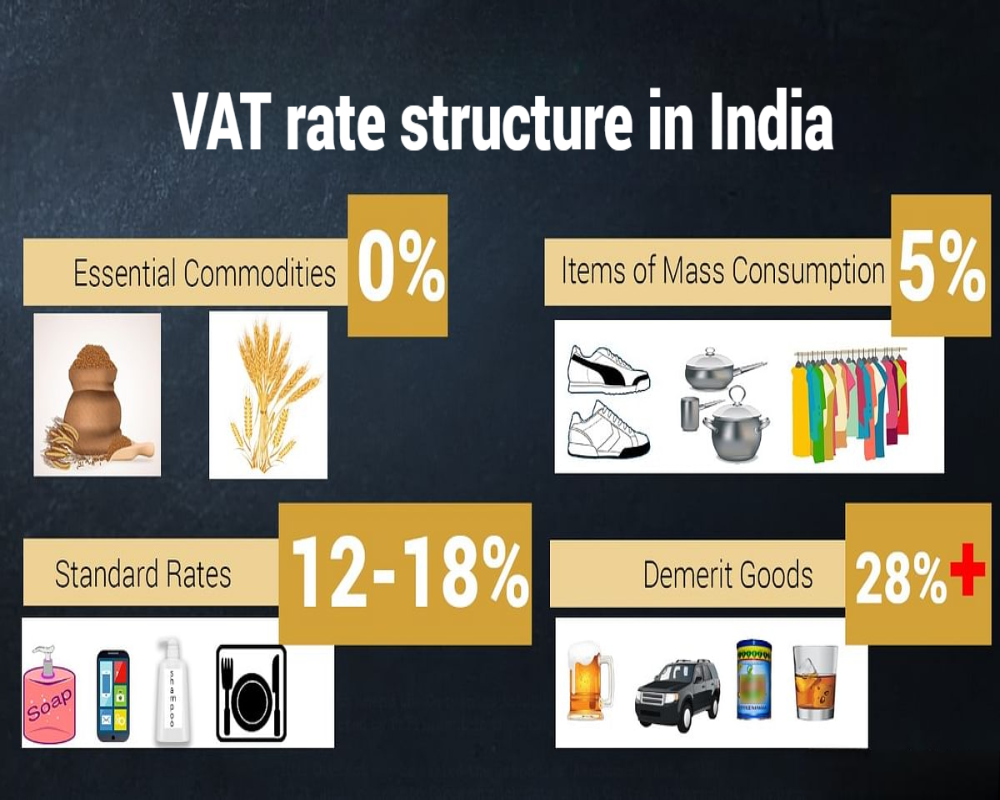

Overview of VAT Rate Structure in India
• The VAT rate structure in India was designed by each state but followed a harmonized framework
• It included multiple tax slabs based on the nature and essentiality of goods being sold
• Most states adopted a common classification model with slight variations in specific rates
• Goods were categorized into exempted low-rate standard-rate and special-rate items
• The rate structure aimed to balance revenue generation with consumer affordability
Zero and Exempted Rate Category
• Basic necessities like milk vegetables salt and unbranded cereals were kept tax-free
• Life-saving drugs agricultural tools and textbooks were also exempted from VAT
• Zero-rated goods were meant to reduce the tax burden on economically sensitive products
• Exemption lists varied slightly from state to state based on local policy priorities
• Dealers selling only exempt goods were not required to register under VAT laws
Lower VAT Rate Category
• A lower rate of 1 to 5 percent was applied on essential goods and items of mass consumption
• This included edible oil medicines sugar tea coffee and unbranded packaged food items
• Handlooms utensils bicycles and certain household items also fell under this category
• The objective was to support common consumers and reduce inflationary pressures
• These goods attracted input tax credit provisions like other taxable items
Standard VAT Rate Category
• The standard VAT rate across most states was 12.5 percent applied to general goods
• This included furniture electronics computers branded foods and household appliances
• It was the most commonly used slab in business-to-business and retail trade
• Dealers were eligible to claim full input tax credit on goods taxed at the standard rate
• This rate ensured a significant contribution to state revenue while maintaining neutrality
Higher and Special VAT Rate Category
• Luxury goods and sin products like alcohol tobacco and petroleum products attracted higher VAT rates
• Gold bullion and precious metals were often taxed at concessional rates around 1 percent
• Some states applied special rates on motor vehicles air-conditioners and branded garments
• These rates were designed either for revenue maximization or policy disincentives
• VAT rates on petroleum and liquor continued even after GST due to their exclusion from the new regime
0 Comments