Publish: January 19, 2026
How is output VAT different from input VAT?
Definition and Meaning
- Output VAT is the Value Added Tax that a business collects from customers on the sale of goods or services
- Input VAT is the tax a business pays on purchases of goods or services from other VAT-registered dealers
- Output VAT is a liability for the business, as it must be paid to the government
- Input VAT is an asset, as it is recoverable by setting it off against output VAT
- Both types of VAT are recorded separately in accounting and matched during return filing
Accounting Treatment
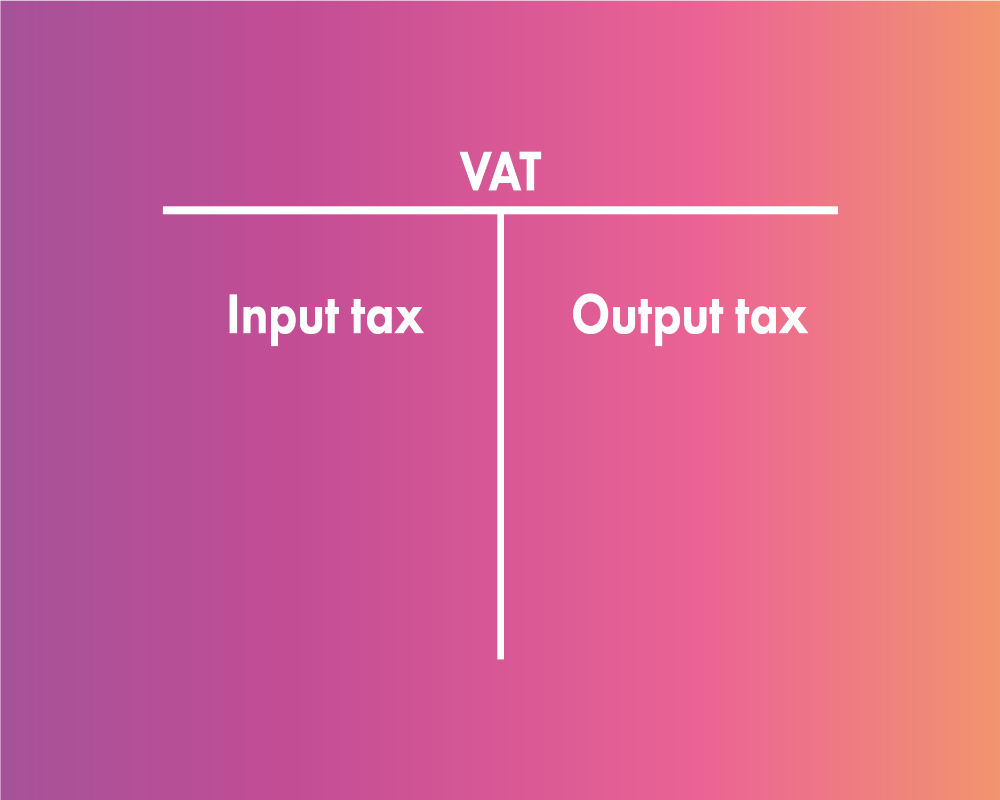
- Output VAT is recorded in a VAT Payable account, increasing the business’s liability
- Input VAT is recorded in a VAT Recoverable or Input VAT account, treated as a current asset
- During VAT return filing, input VAT is offset against output VAT to determine net tax payable
- If input VAT exceeds output VAT, it may result in a refund or carry-forward credit
- Proper accounting ensures compliance, accuracy in returns, and tax efficiency
Impact on Tax Liability
- Output VAT increases the business’s tax obligation to the government
- Input VAT reduces the effective tax burden, as it allows tax already paid to be credited
- The difference between output and input VAT determines the net VAT payable or refundable
- Businesses aim to maximize input credit to reduce their net tax liability
- Incorrect reporting can lead to penalties, interest, or denial of credit
Examples and Practical Use
- If a dealer sells goods worth ₹1,00,000 at 12.5% VAT, the output VAT is ₹12,500
- If the dealer bought raw materials worth ₹50,000 with 12.5% VAT, the input VAT is ₹6,250
- Net VAT payable = ₹12,500 (output) – ₹6,250 (input) = ₹6,250
- This system ensures tax is paid only on the value addition, not on the full sale value
- The credit chain continues until the tax is finally borne by the end consumer



0 Comments