

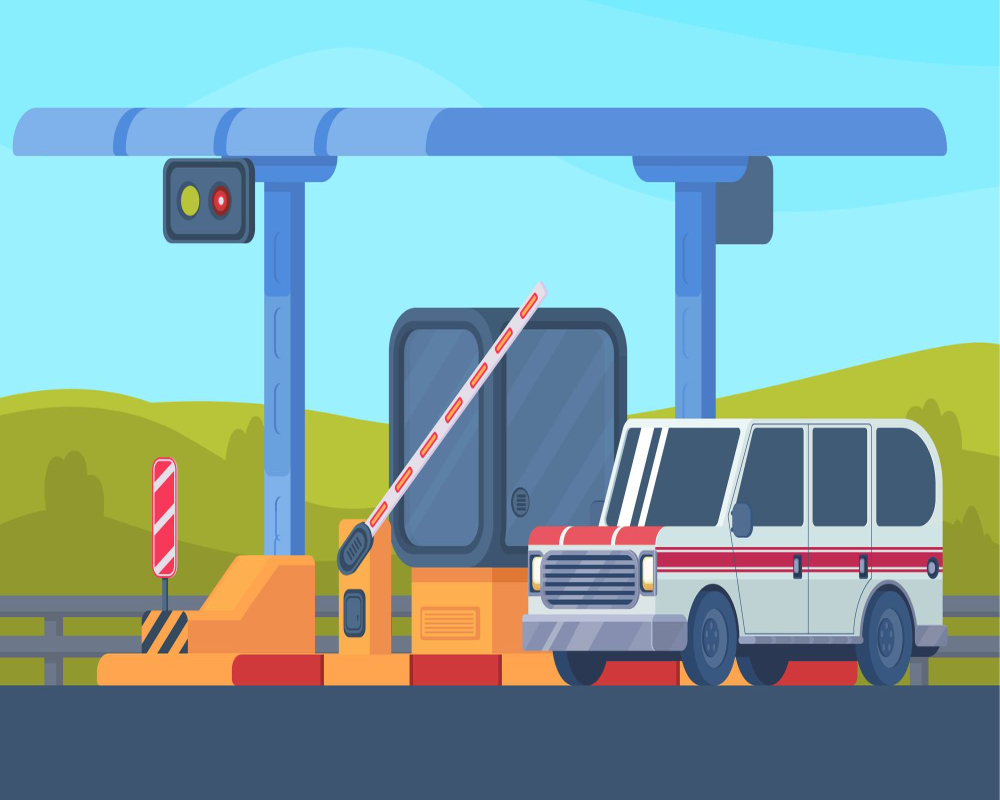

Emergency Vehicle Exemptions
- Emergency vehicles, including ambulances, fire trucks, and police vehicles, are always exempt from paying tolls.
- These vehicles are prioritized in emergencies to ensure quick and unimpeded movement.
- The exemption applies to all toll roads, including national highways and state highways.
- The toll booths typically have dedicated lanes or clearance for emergency vehicles to pass without stopping.
- Proof of the vehicle’s emergency status (such as sirens or official markings) is often required for exemption.
Toll Relief for Disaster and Crisis Situations
- During natural disasters or other large-scale emergencies, toll booths may allow vehicles to pass without payment.
- In such cases, government orders may temporarily suspend toll charges for relief operations, essential goods transport, and rescue teams.
- Toll authorities may issue special passes or guidelines for vehicles engaged in emergency response work.
- The decision to suspend tolls is generally made by state or central authorities based on the severity of the emergency.
- These measures help speed up relief efforts and ensure that there are no barriers to crucial services during critical times.
Special Allowance for Essential Goods and Services
- In emergencies where the transportation of essential goods is necessary, some toll authorities may grant temporary exemptions.
- For instance, trucks carrying medical supplies, food, or fuel during a crisis may be allowed to pass without paying tolls.
- State governments often issue notifications regarding such allowances during emergencies like pandemics or shortages.
- Essential service providers may be granted toll-free access during relief operations or in times of critical demand.
- The toll exemptions are temporary and are only valid as long as the emergency situation persists.
Manual Tolls and Emergency Situations
- In some cases, where toll booths are not equipped with automated systems, commuters can still pass toll plazas without payment in emergencies.
- Road authorities may provide a verbal confirmation or temporary pass for vehicles caught in urgent circumstances.
- Manual toll booths may issue temporary passes or permits for vehicles, allowing them to bypass payment in critical situations.
- Commuters should notify toll operators immediately if they are caught in an emergency to facilitate smooth passage.
Post-Emergency Toll Relief
- After an emergency event, such as a natural disaster, toll authorities may refund toll payments for affected commuters.
- Some states offer toll refund schemes for vehicles that were caught in emergencies but had to pay tolls due to lack of awareness or insufficient resources.
- Refunds or exemptions may be available through online portals or at specific toll booths.
- This helps commuters who were unable to pay due to unforeseen circumstances or urgent needs.
0 Comments