

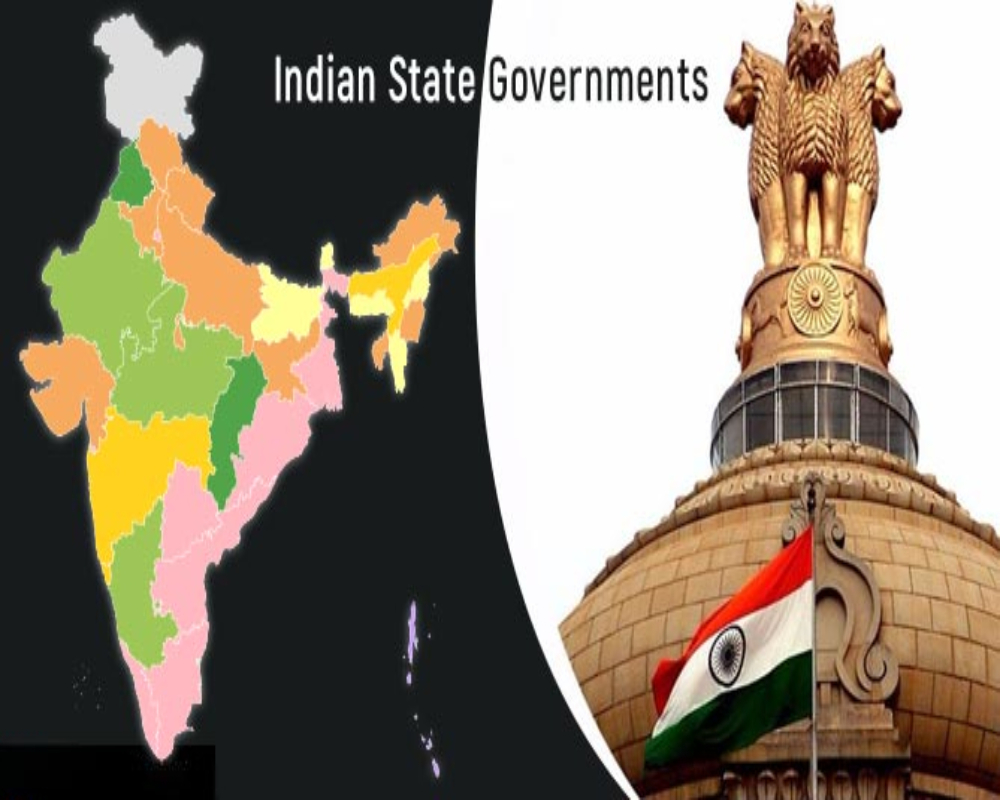

Authority of State Governments in Tolling
- State governments have the authority to create tolling rules for state highways and roads within their jurisdiction.
- They can set toll rates, implement toll plazas, and manage revenue collection on state-owned roads.
- However, the tolling rules for national highways are regulated by central authorities such as NHAI.
- State rules must align with central guidelines for tolling on national highways.
- Tolling for state-specific infrastructure, such as local bypasses or urban roads, is governed by state law.
State-Specific Tolling Models
- States can introduce unique tolling models, such as distance-based tolls or flat fees.
- Some states use Public-Private Partnership (PPP) models for toll collection, while others may manage tolls directly.
- States may offer exemptions or discounts for local residents or specific vehicle types.
- These models are designed to suit the state’s infrastructure needs and traffic patterns.
- Special toll schemes may be introduced for areas with high congestion or underdeveloped infrastructure.
Regulation by State Road Development Authorities
- Each state may establish its own road development authority, which oversees tolling policies for state highways.
- These authorities may work with NHAI on toll policies for roads that cross both state and national boundaries.
- The road development authorities ensure that tolls are used for road maintenance, upgrades, and new projects.
- They are responsible for enforcing toll rules, including penalties for evasion or non-payment.
- State authorities also regulate the quality of toll services and road facilities at toll booths.
Central Government Oversight
- While states can create their own tolling rules, the central government has oversight for tolling on national highways.
- The Ministry of Road Transport and Highways (MoRTH) ensures consistency across toll policies for national highways.
- States must comply with certain national standards for toll infrastructure, such as FASTag implementation.
- Central agencies provide guidelines for toll rate revisions, toll plaza management, and toll collection methods.
- States can only implement toll rules for national highways with prior approval from MoRTH or NHAI.
Dispute Resolution and Legal Challenges
- If there is a conflict over tolling policies, the matter may be taken to the judiciary or regulatory bodies.
- Disputes over toll rate changes, toll exemptions, or infrastructure issues may be legally contested.
- State and national tolling rules are subject to review by the courts if challenged by users or toll operators.
- Legal challenges can lead to modifications in toll policies or the introduction of new tolling regulations.
- A balance is maintained between state autonomy and national standards for infrastructure development.
0 Comments