


Introduction
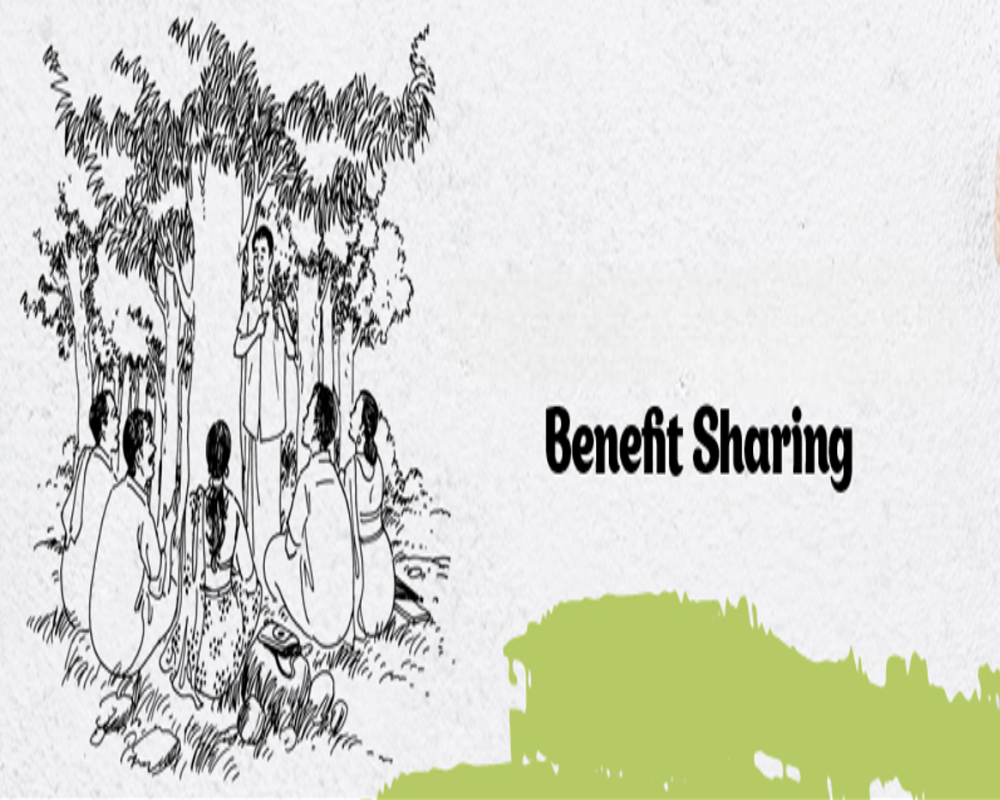
Benefit-sharing in welfare societies refers to the fair and equitable distribution of resources, services, and opportunities among members. These societies, which are often registered under cooperative or charitable laws, operate to serve their members or a community rather than generate profit. Benefit-sharing ensures that the collective efforts and contributions of members are rewarded and that no group is unfairly excluded.
Types of Benefits in Welfare Societies
Benefits may include access to affordable housing, healthcare services, education support, livelihood programs, or subsidized goods. Some societies provide financial aid, employment opportunities, or recreational facilities. The nature of benefits depends on the society’s mission and resources.
Criteria for Benefit Allocation
Allocation of benefits is guided by eligibility criteria defined in the society’s bylaws or policy documents. Factors may include income level, seniority of membership, need-based assessment, or active participation in society functions. Clear criteria prevent favoritism and support objective distribution.
Transparency and Fair Process
Welfare societies must adopt transparent procedures for benefit sharing. Application processes, selection committees, and audit trails should be documented. Publishing results and offering grievance redressal channels fosters trust and reduces disputes among members.
Rotational and Equitable Access
To avoid concentration of advantages among a few, societies may use rotation-based systems or quotas. For example, allotment of shops or flats is often done by lottery or merit-based lists, ensuring equal chances for all members.
Funding and Resource Pooling
Benefit-sharing relies on collective contributions from members, external grants, or government subsidies. Regular member contributions, fundraising events, or donations support the continuity of programs. Accountability in managing these funds is vital.
Monitoring and Impact Assessment
Periodic review of how benefits are distributed helps ensure the society’s objectives are met. Feedback from beneficiaries, financial audits, and impact analysis guides future improvements and addresses any imbalances in benefit sharing.
Conclusion
Benefit-sharing in welfare societies is central to promoting justice, equality, and member satisfaction. Through transparent processes, defined criteria, and regular review, societies can ensure that all members enjoy the fruits of collective effort. This strengthens trust, participation, and the long-term sustainability of the welfare model.
Hashtags
#BenefitSharing #WelfareSocieties #SocialEquity #CommunitySupport #ResourceDistribution #SocialJustice #CollectiveWellbeing #EquitableAccess #SharedProsperity #InclusiveGrowth #SustainableDevelopment #Empowerment #SocialResponsibility #CivicEngagement #EconomicJustice #PublicWelfare #CommunityDevelopment #FairDistribution #SocialSolidarity #CollaborativeEconomy
0 Comments