


Introduction
The future vision of toll-free and smart roads aims to create a seamless, efficient, and sustainable transportation system that eliminates the need for traditional toll collection while integrating cutting-edge technologies to enhance road usage. This vision is part of a broader push toward smart infrastructure that not only reduces the dependency on tolling but also improves traffic management, reduces congestion, and contributes to environmental sustainability. By leveraging digital technologies, data analytics, and automation, toll-free and smart roads promise to revolutionize the way we commute and manage road networks.
1. Toll-Free Infrastructure
The concept of toll-free roads envisions eliminating the traditional toll collection systems, such as physical toll booths and manual payment methods. This shift could be driven by a combination of factors:
- Government Funding and Subsidies: As governments continue to invest in infrastructure through public-private partnerships (PPPs) or national infrastructure programs, tolling may become less necessary. Increased public funding for roads can eliminate the need for tolls, especially for vital national highways and urban corridors.
- Revenue from Alternative Sources: Instead of toll revenues, governments may explore alternative revenue sources to fund road infrastructure, such as vehicle registration fees, road usage taxes, or taxes on fuel. These sources can provide consistent revenue streams for maintaining and expanding road infrastructure without burdening commuters directly.
- Freemium Models: Some regions may adopt a “freemium” model where basic highways are toll-free, but express lanes, high-occupancy vehicle (HOV) lanes, or urban expressways still charge tolls for premium services. This allows for toll-free travel for most commuters while maintaining some level of funding through premium services.
2. Smart Road Technologies
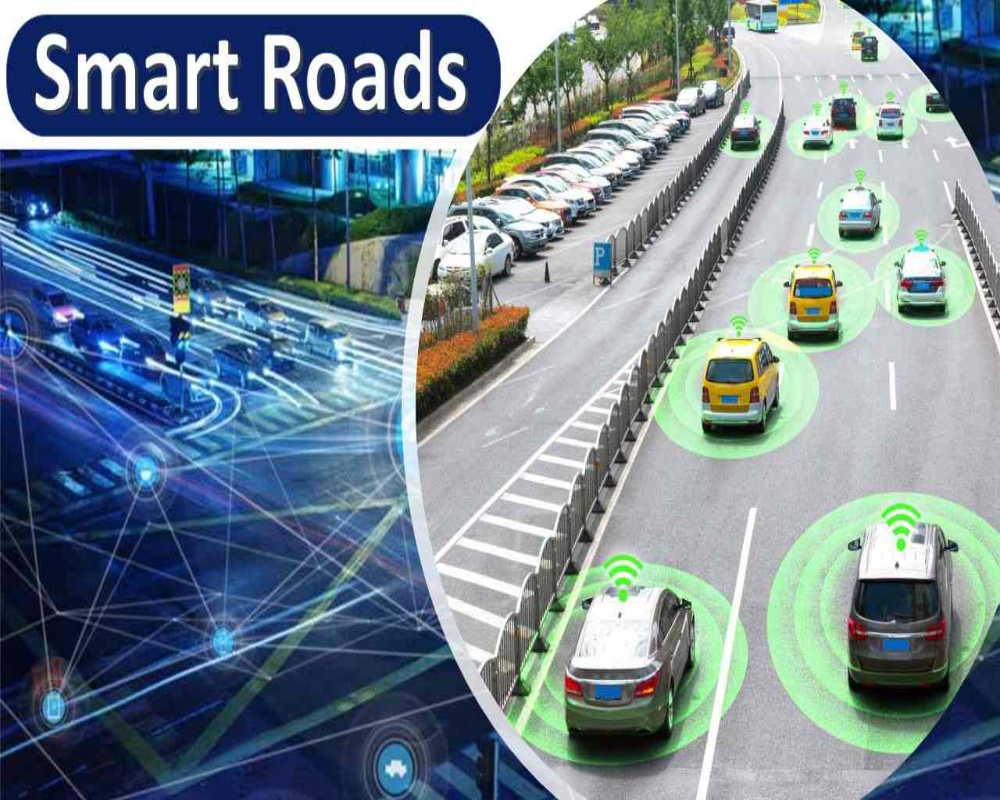
The future vision of smart roads integrates advanced technologies that enhance the functionality, safety, and sustainability of road networks. These roads will rely heavily on the Internet of Things (IoT), automation, and data analytics to create dynamic, responsive systems. Key components of smart roads include:
- Intelligent Traffic Management: Smart roads will use sensors, cameras, and connected devices to monitor traffic flow, detect congestion, and adjust traffic signals in real-time to optimize movement. This will lead to reduced congestion, faster travel times, and improved road safety by dynamically adjusting traffic patterns based on current conditions.
- Dynamic and Variable Pricing: While some toll-free roads may exist, certain high-traffic areas or expressways may implement dynamic pricing systems that adjust tolls based on real-time traffic data. Smart roads will feature integrated tolling systems that dynamically change prices to manage traffic congestion, similar to congestion pricing models in cities like London or Singapore.
- Vehicle-to-Infrastructure Communication (V2I): Smart roads will facilitate communication between vehicles and infrastructure to improve road safety and efficiency. For example, vehicles will receive alerts about road conditions, accidents, weather updates, or upcoming traffic signals. This real-time data exchange will enable autonomous vehicles to navigate more effectively and safely.
- Electric Vehicle (EV) Integration: Future smart roads will support electric vehicles through infrastructure such as solar-powered charging stations, wireless charging lanes, and EV-friendly infrastructure. This will help accelerate the adoption of electric vehicles, reducing the carbon footprint of road transport.
- Sustainable Road Materials and Design: Smart roads will be constructed with eco-friendly materials, such as self-healing concrete and recycled materials, to reduce environmental impact. Roads will also feature green infrastructure like rainwater harvesting systems, vegetation buffers, and permeable pavements to manage stormwater and improve environmental sustainability.
3. Autonomous and Connected Vehicles
A key feature of the future vision of smart roads is the integration of autonomous vehicles (AVs) and connected vehicles (CVs), which will operate seamlessly on roads equipped with advanced technologies. The shift toward autonomous vehicles is expected to eliminate the need for human intervention in driving, leading to more predictable traffic flows and safer roads.
- Vehicle Autonomy: AVs will be able to communicate with each other and with road infrastructure, sharing data to avoid accidents, optimize speed, and adjust routes based on real-time conditions. This communication will enable smoother traffic flows, more efficient use of road space, and better management of congestion.
- Cooperative Driving: Connected vehicles will be able to “cooperate” with each other through data exchange, such as coordinating lane changes, adjusting speed, and optimizing routes based on live traffic data. This will improve road safety, reduce collisions, and ensure more efficient movement of goods and people.
4. Environmental Benefits
Toll-free and smart roads align with sustainability goals by reducing emissions, minimizing energy consumption, and improving the overall environmental impact of road networks. Some ways smart roads will contribute to environmental goals include:
- Reduced Congestion and Fuel Consumption: By using intelligent traffic management systems, smart roads will reduce traffic congestion and idling, leading to lower fuel consumption and reduced vehicle emissions. This will contribute to improved air quality and lower carbon footprints.
- Green Infrastructure: Smart roads will incorporate green spaces, renewable energy solutions (such as solar panels and wind turbines), and sustainable road materials that promote environmental sustainability. These features will help create roads that are not only efficient but also environmentally friendly.
5. Seamless Travel Experience
The integration of toll-free infrastructure with smart technologies will provide a seamless travel experience for all road users. Some key aspects include:
- Interoperable Payment Systems: For roads that still implement tolls, toll payment systems will be fully interoperable, meaning a single payment method (like FASTag) will be accepted across different toll roads, highways, and even across state or regional borders.
- Smart Parking Solutions: Smart roads will be integrated with smart parking management systems, enabling drivers to find and reserve parking spaces in real time. These systems will reduce the time spent searching for parking and improve the overall convenience for urban commuters.
- Enhanced Safety Features: Sensors embedded in the road infrastructure will detect hazards like accidents, potholes, or icy conditions and alert nearby vehicles. Additionally, roadways will have advanced lighting systems that adjust based on traffic conditions, enhancing safety during both day and night.
Conclusion
The future vision of toll-free and smart roads represents a significant shift towards a more efficient, sustainable, and user-friendly transportation system. By integrating advanced technologies, autonomous vehicles, and green infrastructure, this vision seeks to create a seamless travel experience while reducing congestion, environmental impact, and reliance on traditional toll collection methods. The ultimate goal is to enhance mobility, improve road safety, and support the transition towards a sustainable, connected future for transportation.
HASHTAGS
#SmartRoads #TollFreeRoads #FutureOfTransport #AutonomousVehicles #ConnectedVehicles #DigitalRoads #SustainableTransport #GreenInfrastructure #TrafficManagement #SmartCities #ElectricVehicles #VehicleToInfrastructure #CongestionManagement #SustainableRoads #FutureInfrastructure #SmartTolling #DigitalTransformation #MobilitySolutions #ConnectedTransport #SustainableTransportSolutions #EcoFriendlyRoads #AutonomousDriving #SmartHighways #TollFreeInfrastructure
0 Comments