


Introduction
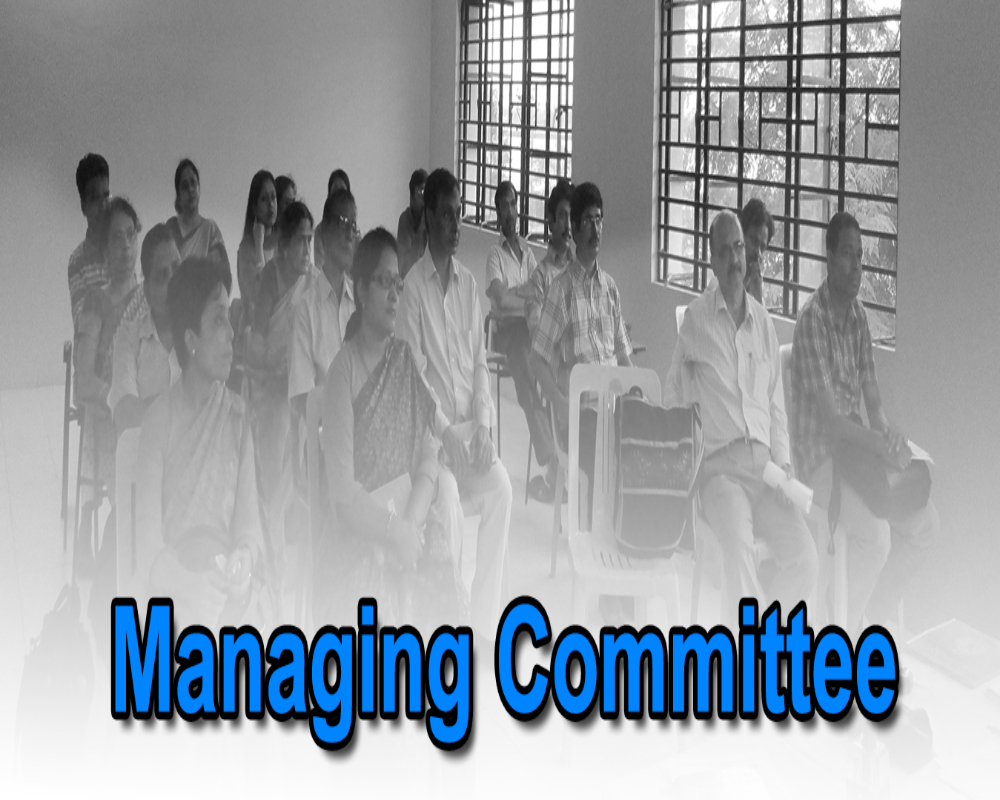
The Managing Committee is the backbone of any registered society in India. It serves as the principal executive body responsible for planning, decision-making, and overseeing the day-to-day functioning of the society. Established under the framework of the Societies Registration Act, 1860, and detailed in the society’s own bylaws, the managing committee operates on democratic principles and is accountable to the general body of members. This committee ensures that the society remains aligned with its objectives while maintaining transparency, discipline, and legal compliance in all its activities.
Composition of a Managing Committee
The size and structure of the managing committee may vary depending on the society’s bylaws, but it typically consists of a minimum of three to eleven members. These individuals are elected or nominated from among the general members of the society and serve for a specified term, usually two to three years. The key office bearers in the committee generally include:
President – The president acts as the head of the society and presides over meetings, ensures smooth administration, and represents the organization in official matters.
Vice-President – The vice-president supports the president and may assume leadership duties in their absence, playing an advisory and supervisory role.
Secretary – The secretary is responsible for day-to-day correspondence, maintaining records, issuing notices, organizing meetings, and ensuring that the society’s activities comply with its bylaws and legal requirements.
Joint Secretary – The joint secretary assists the secretary in administrative tasks and often takes over specific projects or functions.
Treasurer – The treasurer manages the financial affairs of the society, including maintaining accounts, handling receipts and payments, preparing budgets, and presenting financial reports during meetings.
Executive Members – These are additional committee members who contribute to policy-making, event organization, and decision implementation. They may head sub-committees or focus on specific areas like education, health, or culture.
Role and Responsibilities of the Managing Committee
The managing committee is entrusted with the overall governance and operational control of the society. Its responsibilities are multi-faceted and essential for the effective functioning of the organization.
Strategic Planning and Policy Formulation
One of the primary roles of the committee is to define the strategic direction of the society. This includes setting goals, identifying priority areas, and formulating policies that align with the society’s objectives. The committee ensures that the vision and mission of the society are translated into actionable plans.
Administrative and Operational Oversight
The committee handles the daily administration of the society, managing staff, programs, logistics, and communication. It ensures the efficient use of resources and smooth execution of events, projects, and community services. The committee also oversees the society’s adherence to its rules and regulations.
Financial Management and Accountability
Another vital responsibility is maintaining financial transparency and accountability. The treasurer, with the support of the committee, prepares annual budgets, tracks income and expenditure, maintains financial records, and ensures that proper audits are conducted. The committee is collectively responsible for ensuring that funds are used judiciously and as per the society’s aims.
Conducting Meetings and Elections
The committee organizes regular meetings, including executive meetings and annual general meetings (AGMs). These meetings are used to discuss progress, review policies, approve budgets, and make key decisions. The committee is also responsible for conducting fair and democratic elections to fill positions when terms expire.
Membership Management
The managing committee handles member admissions, maintains membership records, collects fees or donations, and ensures active participation from members. It may also enforce discipline and resolve disputes among members or with external entities.
Compliance and Legal Reporting
Ensuring that the society complies with legal requirements is one of the most important functions of the committee. This includes filing annual returns, submitting updated records of office bearers to the Registrar of Societies, renewing registrations, and ensuring tax compliance. The secretary usually handles documentation, but the entire committee shares responsibility for lawful functioning.
Representation and External Engagement
The managing committee represents the society in its dealings with government departments, donor agencies, other NGOs, and the public. It may enter into partnerships, apply for grants, sign memorandums of understanding (MoUs), and advocate on behalf of the society’s cause. This role enhances the visibility, credibility, and outreach of the organization.
Conclusion
The managing committee is central to the functioning and sustainability of a registered society in India. Comprising elected office bearers and active members, the committee serves as the decision-making and administrative authority, ensuring that the society’s objectives are met through effective leadership, transparent management, and lawful conduct. A committed and well-structured managing committee not only builds organizational efficiency but also strengthens the society’s ability to serve its community and achieve long-term impact.
Hashtags
#ManagingCommittee #Leadership #CommitteeRoles #Governance #Teamwork #DecisionMaking #OrganizationalStructure #Management #Collaboration #StrategicPlanning #CommitteeComposition #LeadershipDevelopment #EffectiveManagement #BoardOfDirectors #CommunityLeadership #NonprofitManagement #BusinessStrategy #StakeholderEngagement #CommitteeResponsibilities #OrganizationalLeadership
0 Comments