


Introduction
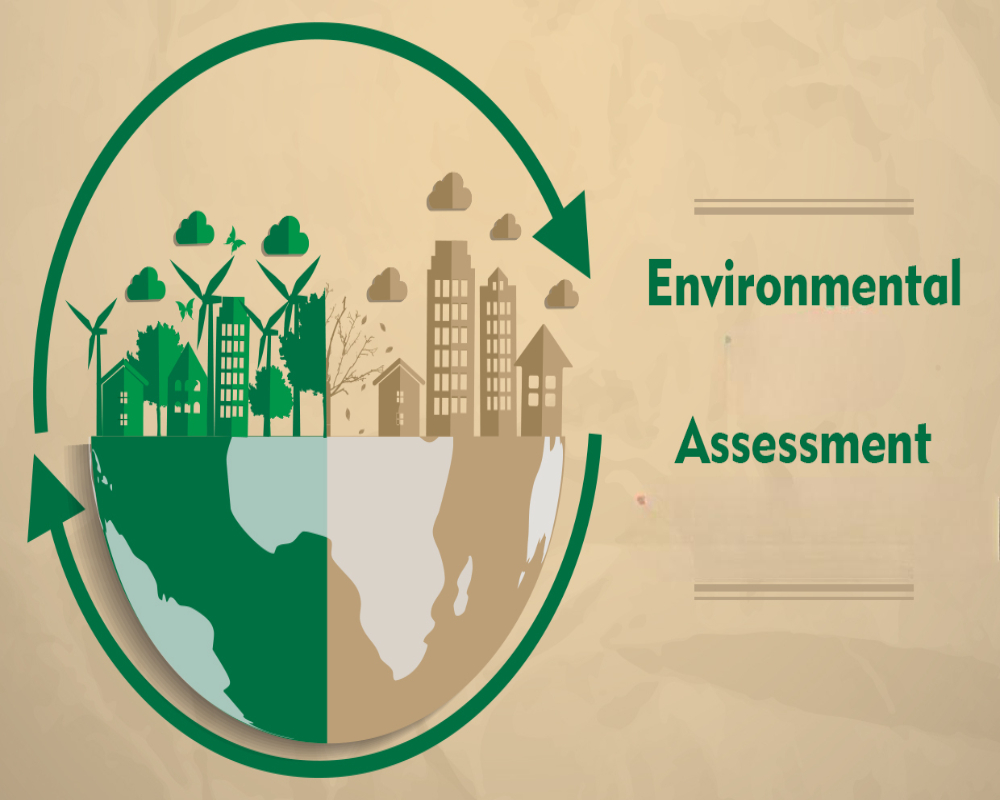
Environmental assessments for toll projects are a critical part of the planning and approval process to ensure that new toll roads and infrastructure developments do not adversely impact the environment or local communities. These assessments evaluate the potential environmental impacts of toll roads, including their construction, operation, and long-term sustainability. By conducting thorough environmental studies, authorities can identify, mitigate, and manage negative effects on ecosystems, biodiversity, and air quality, ensuring that toll projects align with sustainable development goals.
Types of Environmental Assessments
- Environmental Impact Assessment (EIA)
The Environmental Impact Assessment (EIA) is the most comprehensive tool for evaluating the potential environmental effects of a toll project. The EIA process includes a detailed study of the environmental consequences of constructing and operating toll roads, covering areas such as air quality, noise pollution, water resources, soil erosion, and impacts on wildlife. It also looks at potential socio-economic effects on local communities, land use changes, and transportation patterns. - Environmental Management Plan (EMP)
The EMP is a crucial component of the EIA process. It outlines the measures that will be taken to minimize or offset the environmental impacts identified in the assessment. This includes mitigation strategies, monitoring mechanisms, and timelines for implementation. For toll projects, this could include noise barriers, reforestation programs, water management systems, or traffic management solutions to reduce pollution. - Social Impact Assessment (SIA)
Alongside environmental considerations, toll projects often undergo Social Impact Assessments (SIA) to examine the potential social consequences on local communities. SIAs analyze issues such as displacement, changes to livelihoods, cultural impacts, and accessibility. These assessments ensure that toll projects are socially responsible and that affected populations receive adequate compensation or support.
Key Environmental Considerations for Toll Projects
- Air and Noise Pollution
Toll roads can increase air and noise pollution, especially if they are located near densely populated areas. Construction activities can lead to temporary pollution, while the operation of toll roads may lead to long-term emissions from vehicles. EIA studies assess the impact of traffic on local air quality and noise levels, and mitigation measures might include installing noise barriers, improving traffic flow, or promoting cleaner vehicle technologies. - Wildlife and Habitat Disruption
Many toll projects cross natural habitats, wetlands, or protected areas, potentially threatening local biodiversity. The environmental assessment process involves studying the impact on local wildlife and plants, assessing whether migration routes are obstructed, and ensuring that the project complies with conservation laws. Measures to reduce impact may include wildlife corridors, fencing, and habitat restoration. - Water and Soil Quality
Toll road construction and operation can affect local water systems, particularly in areas where roads cross rivers, lakes, or wetlands. EIA studies examine the risk of water contamination from runoff, soil erosion, or siltation. Proper drainage systems, soil stabilization techniques, and water treatment solutions are included in the mitigation plan to protect water bodies and maintain soil quality. - Climate Change and Carbon Footprint
Toll roads contribute to greenhouse gas emissions through increased vehicle use. An environmental assessment typically evaluates the project’s potential contribution to climate change. The assessment may recommend carbon-offset initiatives, the promotion of electric vehicle usage, or the incorporation of sustainable road materials to reduce the overall carbon footprint of the project. - Cultural and Heritage Impacts
Toll projects located near historically or culturally significant sites require detailed assessments of their potential impact on heritage values. The EIA process involves consultations with archaeologists, historians, and local communities to identify and mitigate risks to cultural assets. Preservation and protective measures may include rerouting or adjusting the design of the toll road.
Stakeholder Engagement and Public Consultation
Public participation and stakeholder engagement are essential components of environmental assessments for toll projects. Affected communities, environmental organizations, and local authorities are consulted to ensure that their concerns are heard and incorporated into the planning process. Public meetings, workshops, and feedback mechanisms are common tools used to foster transparent communication between the project developers and the public.
Regulatory Framework and Approvals
Environmental assessments are carried out in compliance with national and state-level regulations. In India, toll projects must adhere to the guidelines established by the Ministry of Environment, Forest and Climate Change (MoEFCC) and other relevant bodies. The findings of the EIA and SIA are reviewed by environmental clearance committees, which determine whether the project should proceed, be modified, or be denied based on its environmental impacts.
Post-Construction Monitoring
Once a toll road is constructed and operational, ongoing monitoring of environmental factors is essential to ensure compliance with the EMP. Regular inspections, air and water quality testing, and wildlife monitoring are conducted to track the effectiveness of mitigation measures and identify new issues that may arise during operation.
Conclusion
Environmental assessments for toll projects are critical to ensuring that transportation infrastructure is developed sustainably and responsibly. By identifying potential environmental impacts early in the planning process and implementing effective mitigation strategies, toll projects can contribute to improved infrastructure while safeguarding the environment and local communities. These assessments play a vital role in achieving a balance between development and environmental stewardship.
HASHTAGS
#EnvironmentalImpactAssessment #TollProjects #SustainableInfrastructure #TollRoadDevelopment #EnvironmentalManagement #EIA #SOCIALImpactAssessment #WildlifeProtection #ClimateChangeImpact #TollInfrastructure #RoadConstruction #EcoFriendlyTransport #SustainableDevelopment #NoisePollutionControl #WaterConservation #SoilProtection #AirQualityManagement #PublicConsultation #BiodiversityProtection #CarbonFootprint #RoadEnvironmentalImpact #TollPlanning #SustainabilityInTransport #GreenTolling #EnvironmentalCompliance
0 Comments