


Introduction
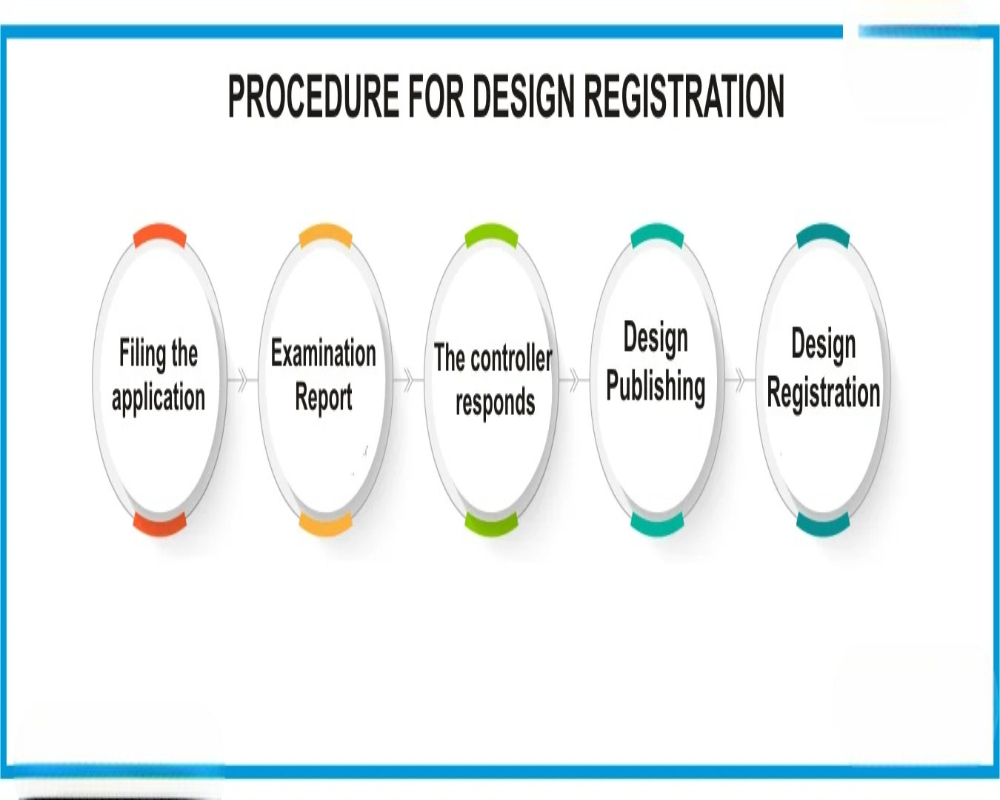
Design registration is a crucial process for protecting the visual appearance of a product under Indian law. The Designs Act, 2000 provides a legal framework for safeguarding the ornamental and aesthetic features of industrial products. To obtain this protection, designers must follow specific procedural steps. In this article, we will detail the step-by-step process involved in registering a design in India.
Step 1: Determine the Eligibility of the Design
Before proceeding with the registration process, it is essential to confirm that the design is eligible for registration under the Designs Act. The design must be novel, original, and not previously published or disclosed to the public. It should also be applied to an article, and its purpose should not be purely functional. If the design meets these criteria, it can be considered for registration.
Step 2: Prepare the Design Representation
The next step is to prepare a representation of the design that clearly depicts its visual features. The representation can be in the form of drawings, photographs, or a computer-generated image that illustrates the design’s shape, configuration, and ornamentation. The representation should be clear, detailed, and accurately reflect the design’s aesthetic appearance. This is an essential part of the registration application.
Step 3: File the Application for Design Registration
The application for design registration should be filed with the Controller General of Patents, Designs, and Trademarks (CGPDTM) in India. The application can be submitted online or through physical filing at the Patent Office. The application must include the following details:
- Name and address of the applicant (individual or legal entity)
- A brief description of the design
- Representations or images of the design
- Priority date (if applicable)
- Payment of the prescribed fee
The applicant must ensure that the application is complete and accurate, as incomplete or incorrect applications may lead to rejection or delays.
Step 4: Examination of the Application
Once the application is submitted, it undergoes a formal examination by the Design Office. The examination focuses on ensuring that the design meets the legal requirements for originality and novelty. The examiner checks if the design is new, original, and distinct from existing designs. The examination process also ensures that the design is not purely functional, as functional designs are not eligible for protection.
Step 5: Publication of the Design
If the application is accepted after examination, the design is published in the Designs Journal. This publication allows the public to view the design, and it serves as a formal notification of the design’s registration. Once the design is published, the applicant’s rights over the design are legally recognized, and they are granted exclusive use of the design for the specified duration.
Step 6: Issuance of the Design Certificate
After the design is published, the Controller General issues a Design Certificate to the applicant. This certificate confirms the registration of the design and grants the applicant exclusive rights over the design. The certificate contains essential details, including the registration number, date of registration, and the duration of protection.
Step 7: Enforcing Design Rights
Once the design is registered, the designer or business owner can enforce their exclusive rights over the design. This includes preventing others from using, copying, or selling products incorporating the registered design without permission. If someone infringes on the design, the owner can take legal action through civil courts to seek remedies such as damages or an injunction.
Step 8: Renewal of Design Registration
The design registration is initially valid for ten years from the date of filing. After the initial ten-year period, the designer can apply for a renewal of the registration for an additional five years. The renewal process involves submitting a renewal application and paying the prescribed fee before the expiry of the initial registration period. Failure to renew the design registration results in the design falling into the public domain.
Step 9: International Design Protection (Optional)
Indian designers can also seek international protection for their designs by filing under the Hague Agreement for the International Registration of Industrial Designs. This allows designers to register their design in multiple countries through a single application. While the registration process in India is limited to domestic protection, the Hague system offers global protection, making it easier for Indian designers to safeguard their designs internationally.
Conclusion
Design registration in India is a well-structured process that offers legal protection to the aesthetic and ornamental aspects of industrial products. By following the procedural steps—ensuring eligibility, preparing accurate representations, submitting an application, undergoing examination, and obtaining the design certificate—designers can secure exclusive rights over their creations. The process is relatively straightforward, but attention to detail at each step is essential to ensure that the design is granted protection and that the designer’s rights are upheld. With the option to extend protection for an additional five years and the possibility of international protection, design registration is a valuable tool for safeguarding intellectual property.
Hashtags
#designregistration #designact #intellectualproperty #designlaw #designprotection #productdesign #designfiling #exclusiveuse #designcertificate #designownership #registrationprocess #designprotectionindia #designrights #designexamination #patentoffice #designjurisdiction #onlineapplication #designrenewal #designerprotection #designcreators #designcommercialvalue #designmarketability #industrialdesign #globaldesignprotection #designtrademark #designcreativity
0 Comments