


Introduction
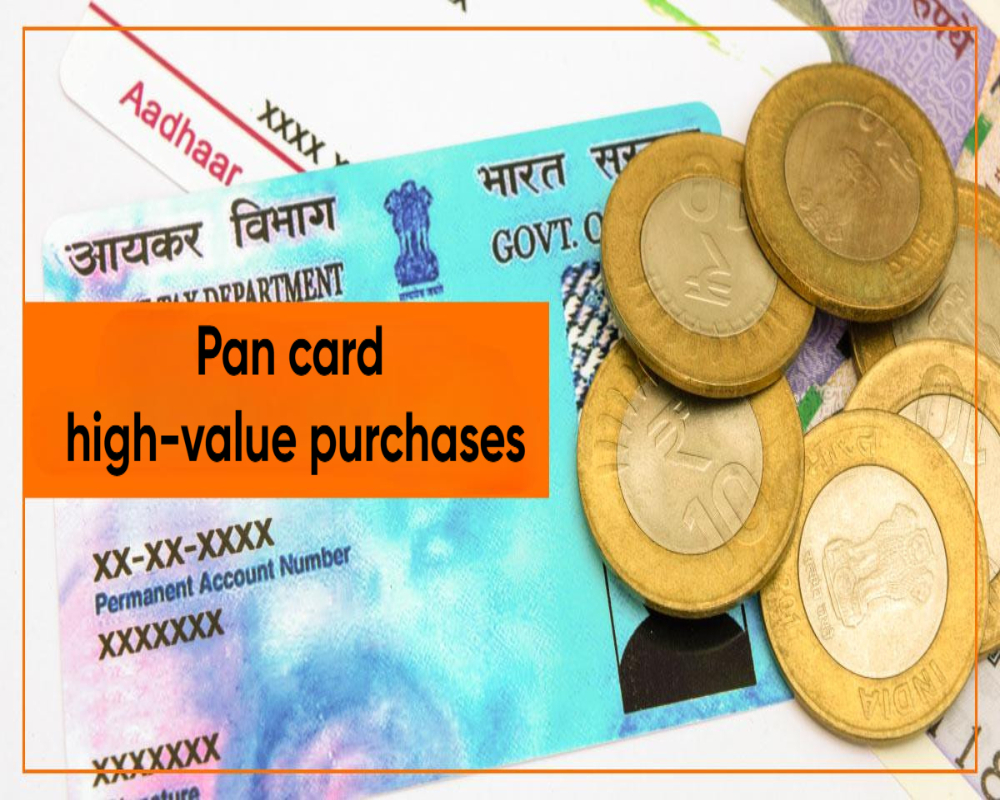
The Permanent Account Number (PAN) has become an essential financial identity in India. Issued by the Income Tax Department, it helps track monetary transactions and ensures tax compliance. In the context of high-value purchases, quoting PAN is mandatory as per government regulations. This requirement allows the authorities to monitor large financial outflows, prevent the use of black money, and ensure that such transactions align with declared income. It is a vital step toward creating a transparent and accountable economy.
1. Definition of High-Value Transactions
High-value transactions typically refer to purchases or payments exceeding specific monetary thresholds set by the Income Tax Department. These transactions, if not monitored, can become channels for unaccounted or untaxed income circulation. PAN is made mandatory to curb this risk.
2. PAN Requirement for Property Purchases
When buying or selling immovable property worth ₹10 lakhs or more, both the buyer and seller must quote their PAN. This ensures that such significant transactions are accounted for in both parties’ tax records and helps prevent benami dealings.
3. PAN in Automobile Purchases
PAN must be provided when purchasing motor vehicles (excluding two-wheelers) costing more than ₹5 lakhs. This helps track ownership of luxury vehicles and match it with the declared financial profile of the buyer.
4. PAN in Jewelry and Bullion Transactions
For purchases of jewelry or bullion exceeding ₹2 lakhs in a single transaction, quoting PAN is compulsory. This measure is aimed at preventing large-scale cash dealings and the use of undisclosed income in gold and precious metal investments.
5. PAN in Cash Deposits and Withdrawals
If an individual deposits or withdraws more than ₹50,000 in cash in a single day from a bank or post office, PAN must be quoted. This helps in identifying large cash flows and ensuring they are not a result of undisclosed earnings.
6. PAN in Hotel and Foreign Travel Bills
When paying hotel bills or foreign travel expenses exceeding ₹50,000 in cash, PAN is required. This provision ensures that high-end leisure expenses are declared and traceable through the income tax system.
7. PAN in Credit Card Applications
Though not a direct purchase, applying for a credit card involves financial scrutiny. PAN is required to assess the applicant’s financial capability and spending behavior, particularly when high spending limits are involved.
8. PAN in Mutual Fund and Share Market Investments
Investments of ₹50,000 or more in mutual funds, shares, or debentures require the investor to quote their PAN. This ensures traceability of investments and prevents the use of unaccounted money in capital markets.
9. PAN in Fixed Deposit Accounts
Opening or renewing fixed deposits exceeding ₹50,000 in a single transaction or more than ₹5 lakhs cumulatively in a financial year necessitates the furnishing of PAN. It links the interest earned with the taxpayer’s income.
10. Reporting of PAN-Linked Transactions
Financial institutions and sellers are required to report high-value transactions to the Income Tax Department through the Statement of Financial Transactions (SFT). PAN acts as the identifier to track such transactions for tax compliance.
Conclusion
The necessity of PAN in high-value purchases is rooted in India’s broader efforts to bring financial transparency and discourage the use of unaccounted income. By mandating PAN for such transactions, the government ensures proper tracking, documentation, and tax linkage of large monetary outflows. This helps curb tax evasion, promote responsible spending, and build a cleaner, well-regulated economy. PAN has thus become not just a tax tool but a safeguard for financial integrity in high-value dealings.
Hashtags
#PAN #HighValuePurchases #FinancialSecurity #TaxIdentification #SecureTransactions #KnowYourCustomer #KYC #FinancialLiteracy #SmartInvesting #WealthManagement #TaxCompliance #IdentityVerification #PurchaseSafety #FinancialRegulations #ConsumerProtection #MoneyManagement #InvestmentTips #FinancialAwareness #SecureYourAssets #ResponsibleSpending
0 Comments