


Introduction
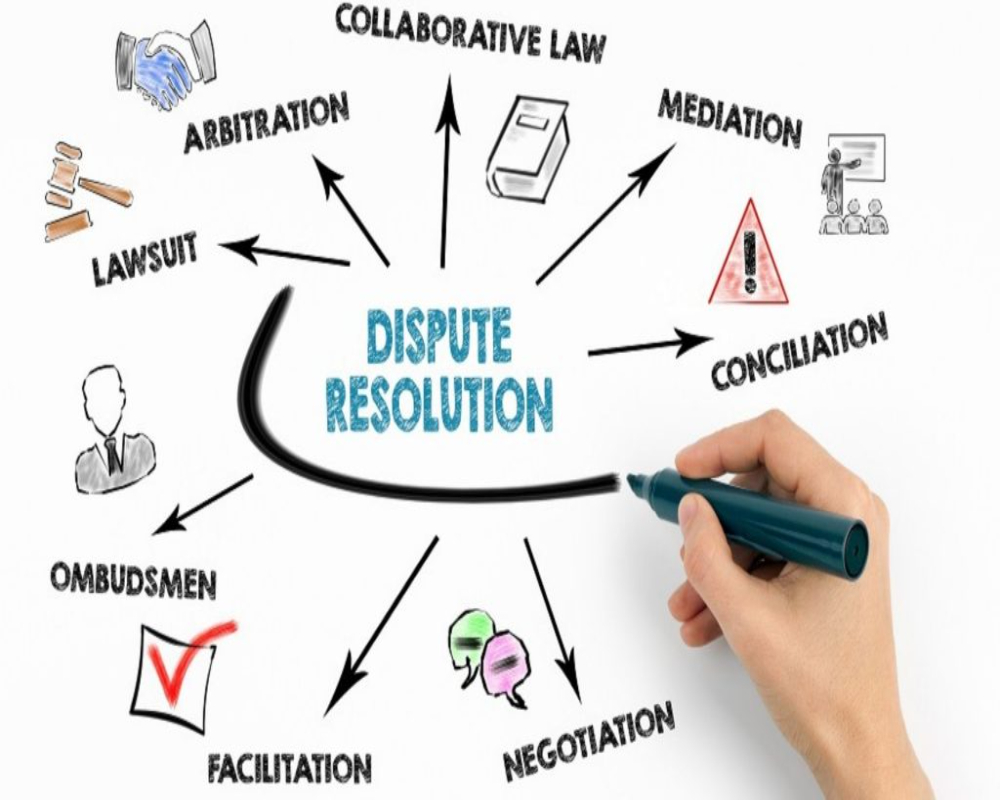
Disputes are a natural occurrence in any organized group, and registered societies are no exception. Differences may arise over elections, management decisions, financial matters, interpretation of rules, or the conduct of members. If not addressed properly, these disputes can disrupt the functioning of the society, divide members, and harm the society’s reputation and legal standing. Therefore, it is essential that societies have clear mechanisms in place for dispute resolution, both through internal procedures and legal recourse, to maintain transparency, discipline, and organizational harmony.
Internal Resolution through Governing Documents
The first step in resolving disputes within a society involves referring to its Memorandum of Association and Rules and Regulations (Bylaws). These governing documents typically outline the procedures for managing internal conflicts, including disciplinary action, member grievances, and decision-making protocols. The society’s managing committee or executive body is usually empowered to handle disputes related to membership issues, conduct, or violations of society rules.
Most bylaws include procedures such as issuing a notice of complaint, offering a fair opportunity to respond, and allowing the committee to deliberate and decide through voting. This form of internal adjudication ensures that minor disputes are addressed quickly and confidentially, without the need for external intervention. In many cases, societies also form grievance redressal committees or appoint independent sub-committees to investigate and mediate conflicts in an impartial manner.
Role of General Body in Critical Disputes
If a dispute escalates beyond the scope of the managing committee or involves key office bearers, the matter may be placed before the General Body of the society, which comprises all voting members. A specially convened General Body Meeting (GBM) may be held to discuss the issue, hear arguments from both sides, and arrive at a resolution through majority vote. This ensures a democratic and transparent process, particularly for serious matters such as election disputes, member expulsion, or leadership conflicts.
The General Body acts as the highest decision-making authority in most societies and has the power to overturn committee decisions, amend rules, or take disciplinary action where required.
Mediation and Reconciliation
To avoid polarization and legal battles, some societies opt for mediation or reconciliation processes. This involves inviting an experienced or neutral member to mediate the discussion and help the parties involved reach a mutual agreement. Mediation is informal but effective, particularly when both sides are open to compromise. In more structured societies, the bylaws may provide for a formal mediation process with timelines and written agreements to document the outcome.
Mediation helps preserve relationships, minimizes disruption to the society’s work, and avoids the costs and delays of litigation.
Involvement of the Registrar of Societies
If internal mechanisms fail or if there are serious allegations of mismanagement, fraud, or violation of legal provisions, the affected members may approach the Registrar of Societies. The Registrar is the regulatory authority responsible for overseeing the lawful operation of registered societies. Upon receiving a written complaint with supporting evidence, the Registrar may initiate an inquiry, issue show-cause notices, summon documents, or direct the society to take corrective action.
In some states, the Registrar has the power to freeze the bank accounts, invalidate elections, or even suspend or dissolve the managing committee if there is clear evidence of wrongdoing. The Registrar’s intervention is particularly important in cases involving financial irregularities, fraudulent conduct, or illegal amendments to the society’s constitution.
Judicial Intervention and Civil Courts
When disputes cannot be resolved internally or through the Registrar, parties may seek legal remedies in civil court. Courts have the jurisdiction to adjudicate disputes related to elections, ownership of property, validity of membership, breach of bylaws, or wrongful expulsion. In such cases, the court examines the society’s governing documents, hears arguments from all parties, and delivers a binding judgment.
Though effective, legal proceedings are time-consuming and costly. They are generally treated as a last resort when all other resolution efforts have failed. Courts may also appoint an independent administrator to manage the society temporarily until a final verdict is issued.
Conclusion
Disputes within a society must be handled with fairness, integrity, and adherence to due process. From internal mechanisms like committee decisions and general body votes to external remedies through the Registrar or civil courts, societies are equipped with multiple avenues for conflict resolution. Encouraging open communication, following established rules, and fostering a spirit of cooperation are crucial to maintaining unity and purpose within the organization. When handled properly, disputes can strengthen a society’s governance by reinforcing accountability and trust among its members.
Hashtags
#DisputeResolution #ConflictManagement #SocialHarmony #CommunityEngagement #Mediation #NegotiationSkills #Peacebuilding #ConflictResolution #CivicDialogue #RestorativeJustice #LegalFramework #SocialJustice #CulturalUnderstanding #CollaborativeSolutions #EmpathyInAction #CommunityMediation #DialogueForChange #UnderstandingDifferences #BuildingBridges #SocietalPeace
0 Comments