


Introduction
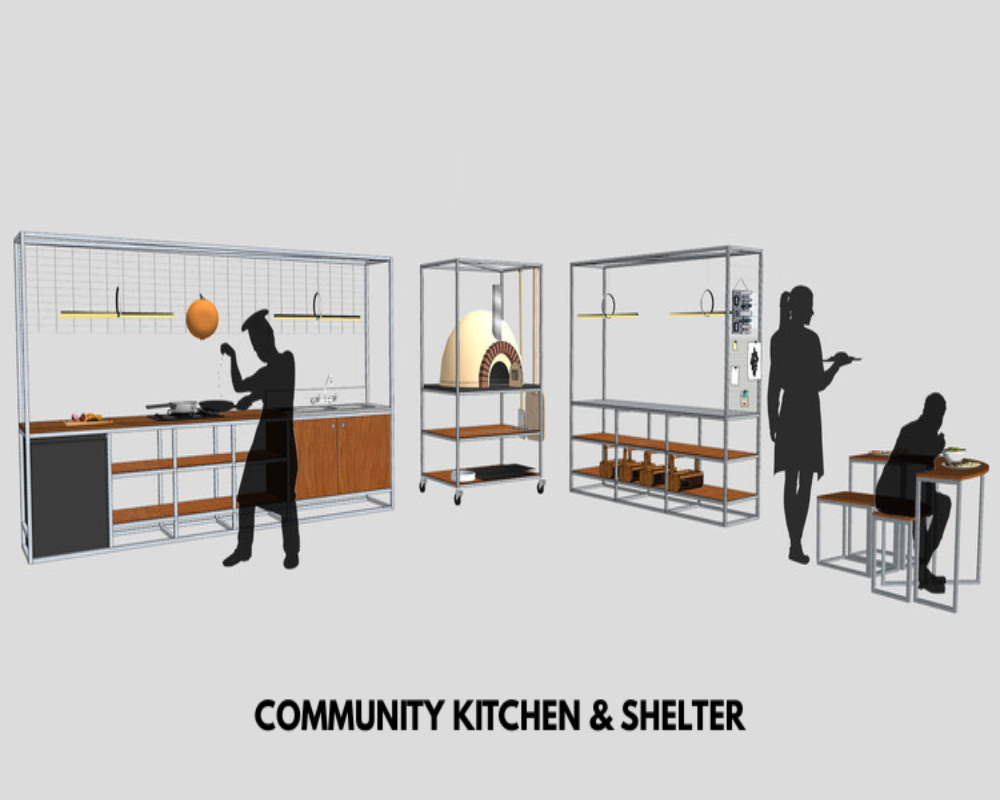
Societies registered under the Societies Registration Act, 1860, are non-profit organizations formed to carry out charitable, educational, religious, or social welfare activities. One of the most impactful services such societies can undertake is the operation of community kitchens and shelters. These initiatives provide essential support to vulnerable populations, including the homeless, migrant workers, disaster victims, low-income families, and individuals in crisis. Running such services not only aligns with the humanitarian goals of most societies but also strengthens their role as socially responsible entities. However, to do so effectively, societies must combine thoughtful planning, community collaboration, legal compliance, and efficient resource management.
Planning and Alignment with Objectives
Before launching a community kitchen or shelter, a society must ensure that such an initiative is within the scope of its registered objectives, as defined in its Memorandum of Association. If not, the society must first amend its objectives through a resolution approved by the general body and sanctioned by the Registrar of Societies. Once aligned, the society can develop a detailed plan that outlines the purpose, target beneficiaries, location, infrastructure needs, estimated cost, staffing, and operational model.
For community kitchens, this includes decisions on daily meal capacity, nutritional standards, sourcing of food supplies, hygiene protocols, and hours of operation. In the case of shelters, the plan should address accommodation capacity, security measures, bedding and sanitation facilities, duration of stay for occupants, and support services like counselling or healthcare referrals.
Securing Permissions and Partnerships
Depending on the location and scale of operations, societies may need to obtain local municipal permissions or NOCs (No Objection Certificates), especially if they are operating in urban public areas or using temporary shelters. Food-related services may require compliance with FSSAI (Food Safety and Standards Authority of India) norms to ensure quality and hygiene. If the shelter is intended for children, women, or special categories such as the mentally ill or elderly, societies may also have to comply with regulations under acts like the Juvenile Justice Act or Maintenance and Welfare of Parents and Senior Citizens Act.
Societies often collaborate with government departments, CSR initiatives, or other NGOs to obtain funding, supplies, or training. Partnerships with hospitals, food banks, grocery chains, or local farmers can also help sustain operations through donations or discounted rates.
Fundraising and Resource Mobilization
Running a community kitchen or shelter requires sustained funding for rent, staff salaries, food supplies, utilities, medical care, and maintenance. Societies can raise funds through donations, crowdfunding platforms, charity events, and grant applications. Having a valid 12A registration (for income tax exemption) and 80G certification (to offer tax deductions to donors) enhances donor confidence and encourages support.
If the society is registered under FCRA, it can also receive foreign contributions, which can be crucial during emergencies such as natural disasters or pandemics. However, all donations must be used strictly for the stated purpose, with clear records and accountability mechanisms.
Operational Management and Staffing
A key to successful implementation is establishing a management team or task force to oversee operations. This team may include coordinators, kitchen staff, volunteers, cooks, caretakers, security personnel, and medical or counselling support staff. Societies must ensure proper training, especially in areas like food hygiene, first aid, and handling of vulnerable populations.
Standard Operating Procedures (SOPs) should be developed to maintain efficiency, safety, and accountability. In community kitchens, this includes managing food stock, waste disposal, meal distribution, and crowd control. In shelters, procedures must be in place for admission, registration, grievance redressal, and emergency response.
Monitoring, Documentation, and Reporting
To ensure transparency and build trust among donors and stakeholders, societies must maintain detailed records of food distribution, shelter occupancy, donations received, and expenses incurred. Regular internal audits and third-party evaluations help monitor impact and identify areas for improvement.
Many societies publish monthly or quarterly reports, highlighting key achievements, challenges, and stories from the ground. These reports can be shared with members, donors, local authorities, and the public to build credibility and attract further support.
Legal Compliance and Community Engagement
Societies must remain compliant with laws governing charitable organizations, including timely filing of annual returns, maintaining books of accounts, and renewing registrations. In addition, they should engage with the local community through awareness campaigns, volunteer recruitment drives, and open house events to build goodwill and ensure local support.
Working in harmony with local authorities, residents, and service providers ensures that community kitchens and shelters are accepted, safe, and truly responsive to local needs.
Conclusion
Running community kitchens or shelters is a powerful expression of a society’s commitment to public service. It requires thoughtful planning, legal preparedness, reliable funding, and strong operational management. When done effectively, such initiatives can transform lives, foster social solidarity, and reinforce the society’s mission. In a country with wide disparities and frequent humanitarian needs, societies that step forward to provide food and shelter serve not just as service providers, but as pillars of compassion, resilience, and civic responsibility.
Hashtags
#CommunityKitchens #FoodForAll #ShelterSupport #SocialImpact #HungerRelief #VolunteerTogether #NourishTheCommunity #FoodJustice #CommunitySupport #LocalInitiatives #SustainableLiving #HealthyEating #EmpowermentThroughFood #CivicEngagement #TogetherWeCan #FeedingTheHungry #CommunityBuilding #CompassionInAction #SharedResources #UnityInDiversity
0 Comments