


Introduction
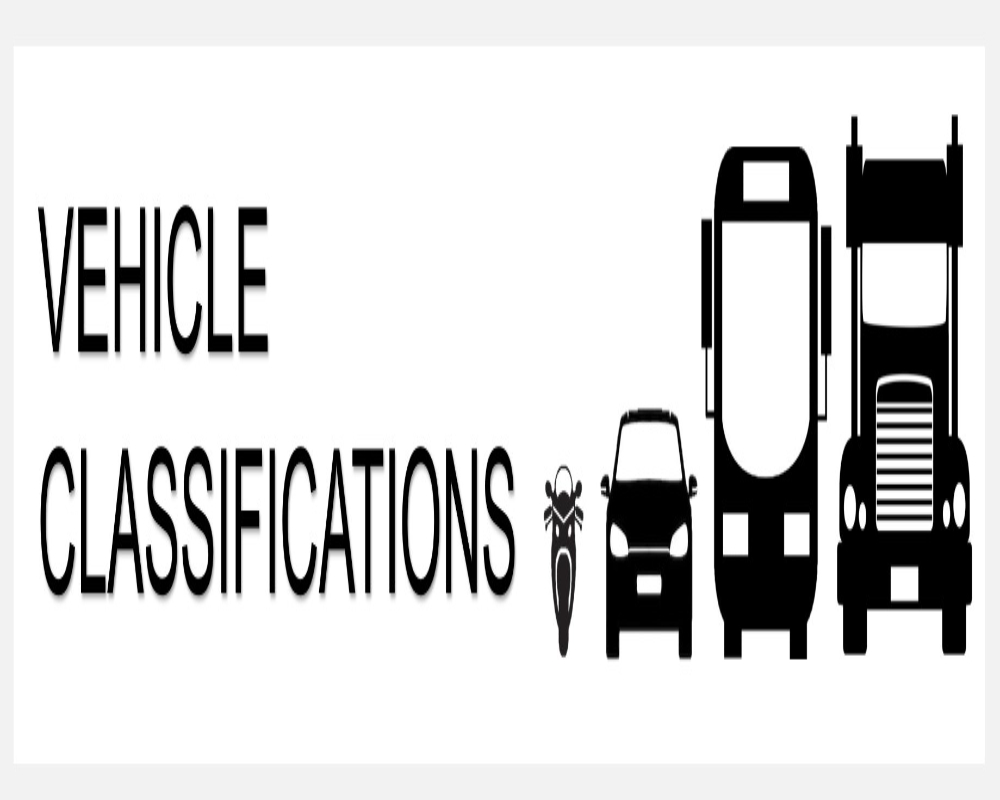
The classification of toll vehicles is a standardized system used to categorize vehicles based on their type, size, axle count, and intended usage for the purpose of levying toll charges. This classification ensures fairness in toll collection by charging vehicles according to the wear and tear they cause on the road infrastructure. It also helps toll operators manage traffic efficiently, automate rate calculation, and enforce applicable tolling policies at national and state highways across India.
Two-Wheelers and Three-Wheelers
In most cases, two-wheelers and three-wheelers are exempted from toll charges, especially on national highways. They are categorized separately to avoid confusion at toll booths and ensure smooth passage through non-toll lanes. Exceptions apply for specific city expressways or bridge tolls.
Cars, Jeeps, and Vans (Light Motor Vehicles – LMVs)
These are classified under the base category for tolling and include personal vehicles like sedans, hatchbacks, SUVs, and passenger vans. Toll charges for LMVs are usually the lowest among toll-paying vehicles and are standard across most national toll plazas.
Light Commercial Vehicles (LCVs)
LCVs include mini-trucks, delivery vans, and goods carriers with limited axle configurations. These vehicles are larger than personal cars and are mainly used for transporting goods over short distances. They are charged higher than LMVs due to their commercial nature and higher load capacity.
Buses and Trucks (Two to Three Axles)
This category covers passenger buses, school buses, and standard trucks used for goods transport. These vehicles are charged based on axle count, as they contribute significantly to road surface wear. Buses, though passenger carriers, pay higher tolls due to their size and usage frequency.
Heavy Commercial Vehicles (Four to Six Axles)
These include multi-axle trucks and trailers that are typically used for transporting industrial goods, containers, construction material, and bulk commodities. The toll for these vehicles is higher as they exert more pressure on road infrastructure and cover long distances regularly.
Oversized and Specialized Vehicles
Vehicles that exceed standard dimensions or are used for special purposes—like cranes, excavators, or vehicles carrying oversized cargo—are charged based on special toll rates. They may require permits and are often routed through designated lanes.
Agricultural Vehicles
Tractors and other farm-related vehicles may be classified separately, and in many rural toll setups, they are exempted or offered discounted tolls. The classification depends on state policies and local tolling agreements.
Toll Exempted Vehicles
Certain vehicles, such as those belonging to defense, police, fire services, ambulances, and dignitaries, are tagged separately and exempted from tolls. They are classified in the system with special FASTag codes or visual markers for identification.
Digitization and Vehicle Class Mapping
With the adoption of FASTag and digital toll systems, each vehicle class is mapped to a digital code that allows for automatic toll deduction based on classification. This ensures consistent pricing and eliminates manual errors in categorization.
Conclusion
The classification of toll vehicles provides a structured foundation for equitable tolling, traffic regulation, and infrastructure planning. By aligning toll rates with vehicle size, axle load, and road usage impact, this system supports sustainable road financing and ensures fairness across all categories of highway users.
HASHTAGS
#TollVehicleClassification #TollRatesIndia #VehicleCategories #HighwayTolling #FASTagIndia #CommercialVehicles #TollPolicy #TransportClassification #HeavyVehicles #LightMotorVehicles #LCV #TruckToll #BusToll #TollRoads #AxleBasedTolling #HighwayTransport #DigitalTolling #TollSystemIndia #VehicleTollRates #InfrastructureFunding #TollExemption #TollTechnology #TollVehicleTypes #RoadTransportIndia #HighwayUsageCharges
0 Comments