


Introduction
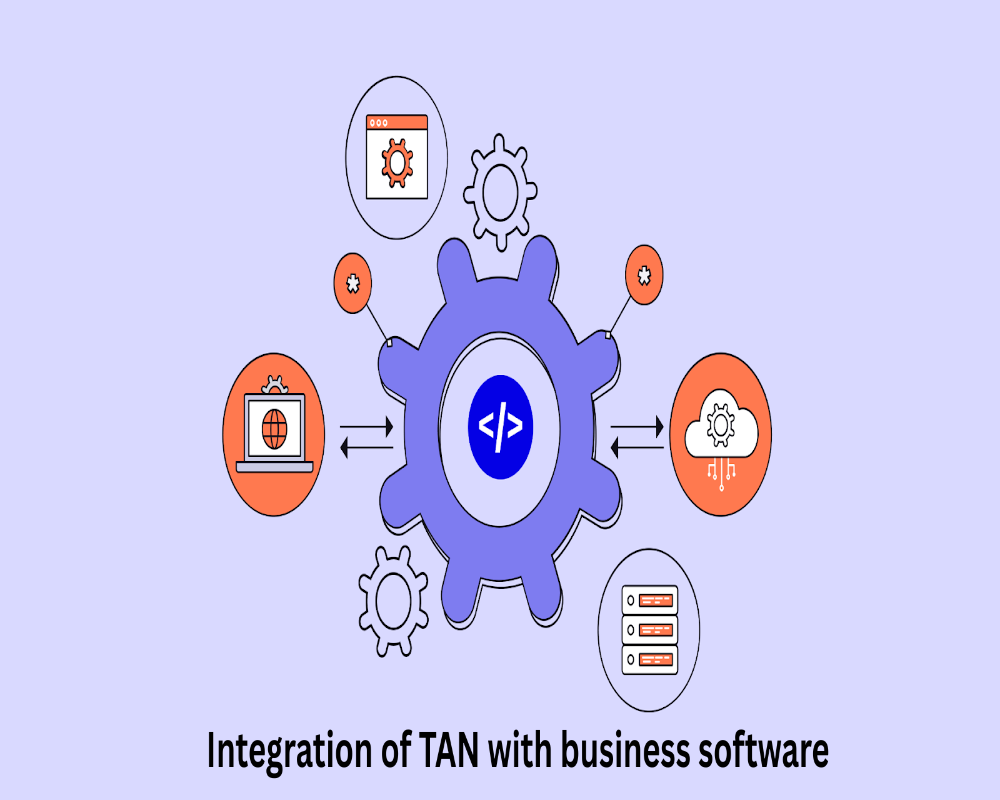
In the digital era, compliance with tax regulations is increasingly being facilitated through advanced business software and enterprise resource planning (ERP) systems. One such regulatory requirement in India is the use of the Tax Deduction and Collection Account Number (TAN), which is mandatory for all entities responsible for deducting or collecting tax at source. As businesses grow in size and complexity, manual handling of TAN-related processes becomes inefficient and error-prone. Integrating TAN functionality with business software has therefore become essential for ensuring accurate TDS compliance, automating filings, and streamlining financial operations. This article explores the ways in which TAN is integrated into business systems and the resulting benefits in terms of legal adherence and operational efficiency.
Role of TAN in Automated Tax Deduction Modules
Modern accounting software and ERP platforms such as Tally, SAP, QuickBooks, and Zoho Books are equipped with tax modules that automatically calculate and deduct tax at source based on transaction types and applicable thresholds. During vendor payments, salary disbursals, or contract settlements, the system refers to the relevant TDS section and applies the prescribed deduction rate. The TAN of the organization is configured within the software settings so that every deduction made can be associated with a valid TAN. This ensures that TDS reports, challans, and certificates generated by the system carry legally compliant information without manual input errors.
TAN Integration in TDS Return Generation and Filing
Another critical area where TAN is integrated is in the generation and e-filing of quarterly TDS returns. Many business software platforms offer built-in utilities or integrate with government-provided tools such as the Return Preparation Utility (RPU) and File Validation Utility (FVU). TAN is automatically populated in the control chart and deductor details section of the return files. These integrations allow businesses to generate Form 24Q, 26Q, or 27Q directly from their ERP system and validate them for uploading on the TRACES or Income Tax e-Filing portal. This seamless process reduces dependency on external consultants and expedites compliance workflows.
Generation of TAN-Linked TDS Certificates
One of the legal requirements of TAN compliance is the issuance of TDS certificates such as Form 16 for employees and Form 16A for vendors. Business software systems that support TAN integration enable automatic generation of these certificates with details such as PAN of the deductee, amount deducted, period of deduction, and the TAN of the deductor. The inclusion of TAN in these certificates is not optional—it is mandatory for recipients to claim tax credit. Integration ensures that the certificates are uniform, accurate, and compliant with the standards prescribed by the Income Tax Department.
Challan Management and TAN Mapping
Every TDS payment made to the government must be accompanied by a Challan Identification Number (CIN), and this is linked with the TAN of the deductor. Business software with TAN integration ensures that each challan prepared for TDS deposit carries the correct TAN and maps it to specific invoices or employee payments. This mapping feature makes reconciliation easy when generating TDS returns or answering government notices. The software maintains a log of challans filed against each TAN, providing an audit trail that is crucial during assessments.
Centralized Management for Multiple TANs
Large organizations, especially those with multiple branches or subsidiaries, may be required to maintain separate TANs for each unit. Business software systems allow centralized control of multiple TANs within a single interface. During transaction processing, users can select the applicable TAN based on the location or type of operation. This capability ensures that the correct TAN is used in every TDS return or certificate, preventing misfiling and legal discrepancies. Centralized dashboards also enable corporate finance teams to monitor TAN-wise compliance across the organization.
Data Security and Regulatory Compliance
Integrating TAN into business software also enhances data security and regulatory compliance. Most leading accounting platforms are built to comply with Indian tax laws and include role-based access controls, audit trails, and encryption for sensitive data such as TAN, PAN, and salary details. This level of security ensures that TAN information is not only used correctly but is also protected against unauthorized access or manipulation, thereby supporting the organization’s legal and cybersecurity posture.
Scalability and Ease of Updates
As tax laws evolve, deduction rates, payment thresholds, and return formats may change. Software systems with TAN integration are regularly updated to reflect the latest changes in compliance rules. This automatic updating capability ensures that businesses remain compliant without the need for manual adjustments. Moreover, as the business scales and adds more vendors, employees, or branches, the integrated system adapts by accommodating new TANs, deduction types, and reporting structures with minimal configuration effort.
Conclusion
The integration of TAN with business software marks a significant advancement in tax compliance and financial automation for Indian businesses. By embedding TAN into accounting, payroll, and tax modules, organizations can ensure that all tax deductions and collections are accurately tracked, reported, and filed in accordance with the law. This not only minimizes the risk of penalties and legal issues but also improves operational efficiency, accuracy, and transparency. As regulatory requirements become increasingly complex, the use of integrated business software with TAN functionality is no longer a luxury—it is a necessity for modern, compliant enterprises.
Hashtags
#ComplianceMeasures #TAN #IntroductionToCompliance #RegulatoryCompliance #ComplianceTraining #TANOverview #BusinessCompliance #ComplianceStrategy #RiskManagement #TANImplementation #LegalCompliance #ComplianceAwareness #TANGuidelines #CorporateGovernance #ComplianceCulture #TANBestPractices #ComplianceSolutions #TANFramework #EthicalBusiness #ComplianceEducation
0 Comments