


Introduction
Professional tax in India is a state-imposed levy on individuals earning income through employment, trade, or profession. Although relatively modest in amount, this tax has constitutional legitimacy and has evolved through legislative and administrative reforms over time. Initially designed to enable states to supplement their revenue, the tax has witnessed varied implementation across different states. Its origin can be traced to the Indian Constitution, and its evolution reflects the fiscal needs, policy priorities, and administrative capabilities of state governments.
Constitutional Foundation – Article 276
The authority to levy professional tax comes from Article 276 of the Indian Constitution. It allows states to impose a tax on professions, trades, callings, and employments, subject to a monetary ceiling which was originally ₹250 but was later increased to ₹2,500 per year by the Constitution (Sixtieth Amendment) Act, 1988.
Inspiration from Pre-Independence Tax Models
The concept of taxing professions existed during the British colonial period in India. Provincial governments imposed taxes on trades and professions to generate revenue for local governance. This model influenced the inclusion of professional tax provisions in the Constitution post-independence.
The Early Adoption by Progressive States
Maharashtra, Tamil Nadu, Karnataka, and West Bengal were among the first states to implement professional tax laws soon after independence. These states introduced their own legislative frameworks to operationalize Article 276 and began collecting the tax through state-level agencies and municipal bodies.
Role of Urban Local Bodies and State Revenues
In many states, professional tax became a crucial source of non-shared revenue. Local municipalities and commercial tax departments often managed its collection, providing funds for civic infrastructure, sanitation, and administrative services.
The Sixtieth Amendment and Tax Cap Increase
The Sixtieth Amendment to the Constitution, enacted in 1988, raised the cap on professional tax from ₹250 to ₹2,500 per annum. This gave states greater fiscal flexibility and allowed adjustments in line with inflation and growing administrative needs.
Diverse Implementation Across States
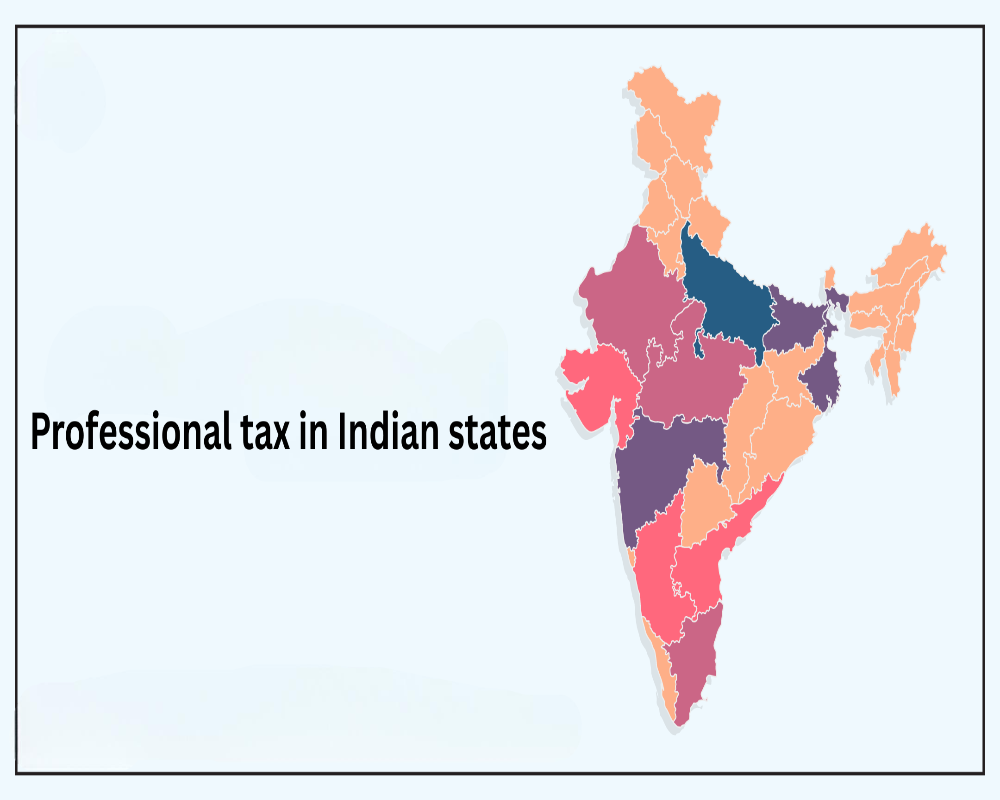
Over time, different states adopted diverse structures for professional tax. While some levied it monthly on salaried individuals, others imposed fixed annual rates on self-employed professionals and businesses. States like Delhi, Haryana, and Uttar Pradesh have not imposed the tax, reflecting regional policy discretion.
Impact of Digital Reforms on Administration
With the rise of e-governance, many states digitized professional tax registration, payment, and filing processes. Online portals were introduced to improve transparency, enhance compliance, and ease the burden on employers and taxpayers.
Professional Tax in the GST Era
Post-GST, while most indirect taxes were subsumed under one national framework, professional tax remained outside the Goods and Services Tax. As a direct tax under state purview, it continues to operate independently and is not affected by GST regulations.
Court Rulings and Legal Clarifications
Various High Courts and the Supreme Court have upheld the validity of professional tax as long as it stays within constitutional limits. Judicial interpretations have also clarified exemptions, enforcement mechanisms, and the rights of taxpayers.
Revenue Utility and Contemporary Significance
Today, professional tax plays a small but steady role in the state revenue ecosystem. It supplements budget allocations for public welfare and administration, especially in urban areas. Its structure also helps formalize income-generating professions by bringing them into the tax net.
Conclusion
Professional tax in India has evolved from a constitutional provision into a stable source of state revenue. Its implementation reflects both the fiscal autonomy granted to states and the diversity of India’s economic and administrative landscape. As states modernize their tax systems, professional tax continues to adapt, maintaining its relevance in supporting governance and civic infrastructure.
Hashtags
#professionaltax #article276 #taxevolutionindia #statetaxreform #indiantaxhistory #sixtiethamendment #municipalrevenue #directtaxindia #selfemployedtax #salarytaxdeduction #staterevenue #indianconstitution #taxadministration #eGovernanceIndia #gstandprofessionaltax #legalframeworkindia #taxpolicyindia #taxdigitalisation #urbanlocalbodies #nonsharedrevenue #employerobligations #compliancetaxindia #historicaltaxindia #courtclarifications #indianeconomy
0 Comments