


Introduction
Explain Toll Road Planning and Environmental Concerns
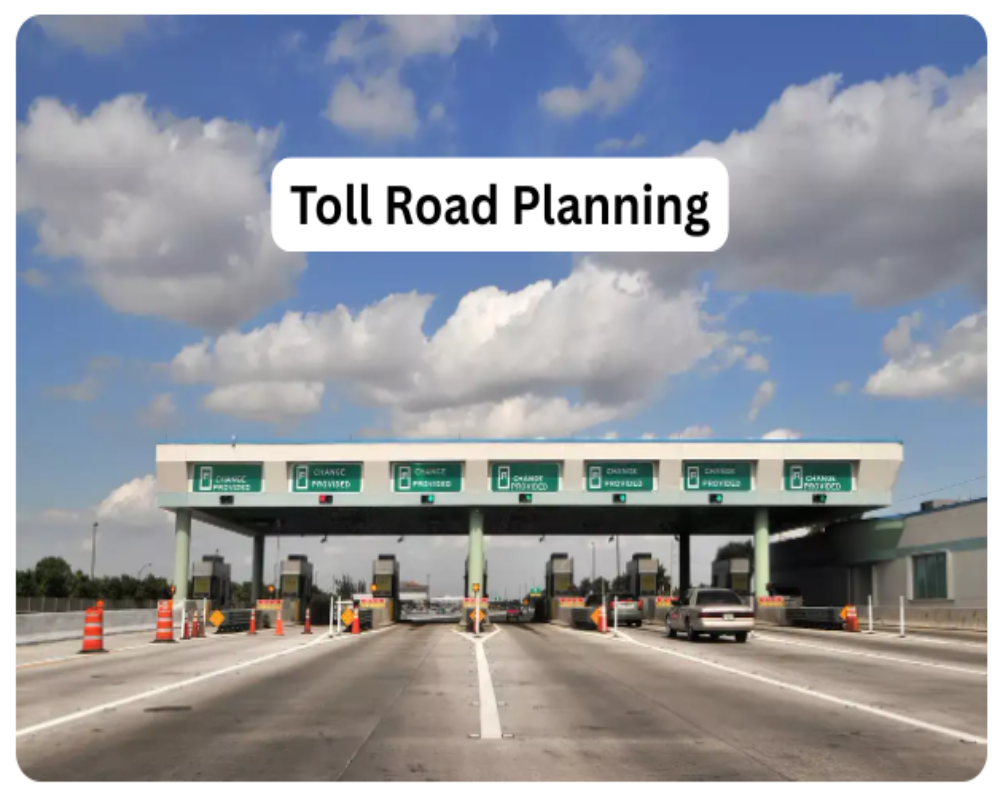
Toll road planning in India plays a pivotal role in improving connectivity, boosting economic development, and facilitating smoother transportation. These roads are often developed under public-private partnership (PPP) models and funded through toll collections. However, while toll roads enhance mobility and infrastructure standards, they also raise environmental concerns that require careful consideration. From land acquisition and deforestation to pollution and biodiversity impact, environmental implications are significant and must be addressed as part of responsible infrastructure planning.
Route Selection and Land Use Impact
The first step in toll road planning is route alignment, which often involves converting agricultural, forest, or ecologically sensitive land into transport corridors. Poor route selection can lead to loss of green cover, disruption of local ecosystems, and displacement of communities, triggering environmental and social resistance.
Deforestation and Habitat Disruption
Toll road projects passing through forests or natural habitats often result in tree cutting, fragmentation of wildlife corridors, and loss of biodiversity. Species movement is restricted, and natural breeding grounds are disturbed. Such effects are especially critical in regions near protected reserves or wetlands.
Environmental Impact Assessment (EIA)
Before construction begins, projects exceeding certain lengths must undergo a mandatory Environmental Impact Assessment (EIA). This study evaluates the project’s environmental footprint, identifies potential risks, and recommends mitigation measures. However, concerns are often raised about delays, weak enforcement, or bypassing of this process.
Air and Noise Pollution
Toll roads, especially high-speed expressways, increase vehicular emissions and noise levels, particularly in areas near residential and agricultural zones. The rise in carbon dioxide, nitrogen oxides, and particulate matter affects air quality and human health, especially among vulnerable populations.
Water Resource Disruption
Road construction often alters natural drainage patterns, blocks rainwater recharge zones, and affects rivers or canals. Improper design or lack of environmental planning can result in flooding, erosion, and waterlogging, affecting both ecosystems and local agriculture.
Waste Management During Construction
The construction phase generates large amounts of debris, asphalt waste, and oil residues. Without proper handling and disposal, this waste can contaminate soil and water sources, leading to long-term ecological damage.
Compensatory Afforestation and Green Corridors
As a mitigation measure, toll road developers are mandated to undertake compensatory afforestation—planting trees equal to or greater than the number cut. Additionally, creating green buffers and sound barriers helps reduce the ecological impact along road stretches.
Wildlife Crossings and Eco-Sensitive Zones
Modern toll road planning includes underpasses, overpasses, and animal corridors in areas rich in wildlife. These structures enable safe animal movement and reduce human-animal conflict. In sensitive zones, alternative alignments or tunnel designs are recommended to protect biodiversity.
Public Participation and Legal Challenges
Communities and environmental groups often raise objections through public hearings and legal petitions when toll roads threaten ecologically or culturally important lands. Transparent consultation and stakeholder inclusion are key to balancing development with ecological responsibility.
Sustainable Planning Practices
The future of toll road planning lies in eco-conscious design, use of environmentally friendly materials, noise-reducing pavements, solar lighting, and rainwater harvesting. Integrating sustainability from the design phase onward helps minimize environmental costs and ensures long-term resilience.
Conclusion
While toll roads are critical to India’s infrastructure development, their planning must integrate environmental sensitivity and sustainability. By addressing issues like habitat loss, pollution, and water disruption through proper assessments, public engagement, and eco-friendly practices, the country can ensure that road development goes hand in hand with environmental protection and social well-being.
hashtags
#tollroadplanning #environmentalimpact #eiaindia #nhai #morthindia #deforestation #biodiversityloss #habitatdisruption #greeninfrastructure #compensatoryafforestation #sustainabletransport #roadpollution #wildlifecorridors #ecoalignment #climateimpact #waterdisruption #roadnoise #tollprojectsindia #environmentaljustice #publicconsultation #greenroads #infrapolicy #ecofriendlyconstruction #pppmodel #tollinfraindia
0 Comments