


Based on Road Ownership and Type
- Toll plazas are classified as national, state, or private depending on the road type.
- National highway toll plazas are managed under the authority of NHAI.
- State highway toll plazas are governed by respective state road agencies.
- Private road operators manage tolls on BOT or concession-based projects.
- Each type follows different toll collection rules and revenue structures.
Based on Lane Configuration
- Toll plazas are categorized into single-lane, multi-lane, or plaza-type setups.
- Single-lane tolls are used in low-traffic rural areas.
- Multi-lane plazas are built on busy highways and expressways.
- High-speed electronic lanes are reserved for FASTag users.
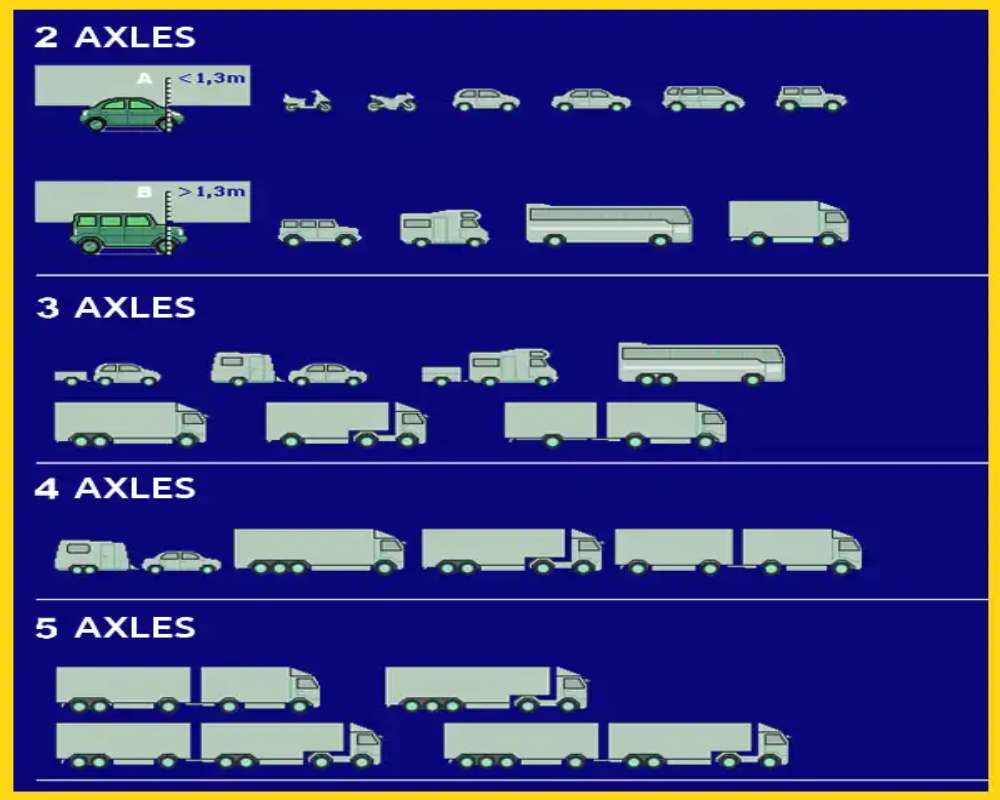
- Dedicated lanes for commercial or oversized vehicles are often included.
Based on Technology Used
- Toll plazas are classified as manual, semi-automatic, or fully electronic.
- Manual plazas collect tolls through human-operated counters.
- Semi-automatic systems combine manual input with digital billing.
- Fully electronic toll plazas use RFID and sensors for contactless collection.
- Hybrid plazas may operate both manual and electronic lanes simultaneously.
Based on Location and Function
- Entry/exit tolls are set at highway entry or exit points.
- Mainline toll plazas are located on the main stretch of the highway.
- Interchange tolls are placed at connecting roads or flyovers.
- Bypass tolls help divert traffic around city centers.
- Some plazas serve city limits, while others are exclusive to inter-state highways.
Based on Traffic Volume and Revenue
- Toll plazas are also grouped by traffic density and income generation.
- Low-revenue plazas are located in less-traveled routes.
- Medium-volume plazas are typically found on state or feeder highways.
- High-revenue plazas exist on industrial corridors and intercity expressways.
- Classification helps in resource allocation and monitoring priorities.
0 Comments