


Introduction
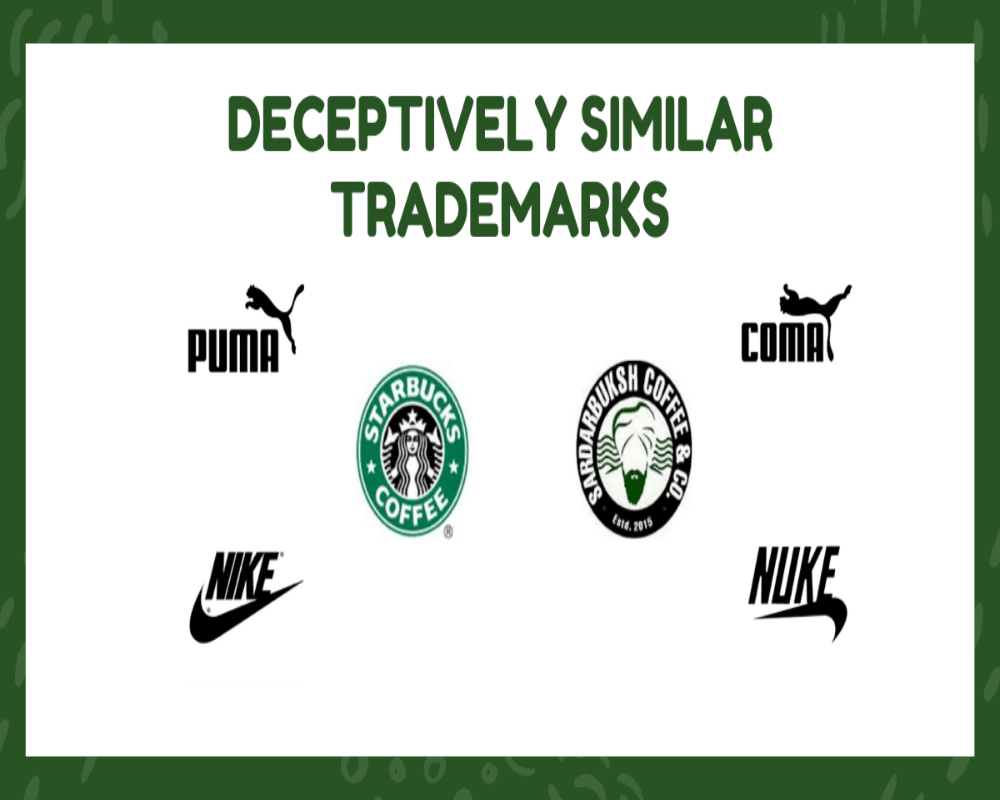
Trademark opposition is a critical tool in safeguarding intellectual property, especially when it comes to protecting a brand against deceptively similar marks. A deceptively similar mark is one that may cause confusion in the minds of consumers because it closely resembles an existing trademark, yet may not be identical. When a party believes that a newly filed trademark is deceptively similar to their own, they can file an opposition to prevent its registration. The opposition process allows the opposing party to challenge the trademark application and argue that it should not be granted because it could cause consumer confusion or harm the existing trademark’s brand value. This article outlines the detailed process for filing an opposition against deceptively similar marks, including the necessary steps, requirements, and strategies for a successful opposition.
1. Understand the Grounds for Opposition
Before filing an opposition, it’s essential to understand the legal grounds upon which an opposition can be based. In the case of deceptively similar marks, the opposition is typically based on the argument that the new mark is likely to cause confusion among consumers. The grounds for opposition may include:
- Likelihood of Confusion: The new trademark is so similar to the existing trademark that it could confuse consumers into thinking the two marks are associated with each other.
- Dilution of Brand Identity: The new trademark could dilute the distinctiveness of the existing mark, even if there’s no immediate confusion.
- Deceptiveness: The mark may deceive the public as to the origin, nature, or quality of goods and services, potentially harming the reputation of the existing mark.
2. Conduct a Trademark Search
Before initiating an opposition, it’s important to conduct a thorough trademark search to confirm that the marks are indeed deceptively similar. This search will identify any existing marks that might conflict with the new application. The search can be done through national trademark offices’ online databases or specialized IP services. Look for marks that:
- Share similarities in visual appearance, pronunciation, or overall impression.
- Are related to similar goods or services.
- Have similar branding elements, such as logos or taglines.
Having a solid understanding of the similarities between the two marks will strengthen the grounds of your opposition.
3. Verify the Opposition Period
Each jurisdiction has a designated opposition period during which a third party can file an opposition against a trademark application. This period typically begins after the mark is published in the trademark journal or gazette and lasts for a limited time (usually 30 to 90 days). It’s important to file the opposition within this period, as failure to do so could forfeit your right to challenge the trademark.
4. Prepare the Opposition Notice
The next step is to prepare a formal opposition notice, which is the document that officially challenges the trademark application. The opposition notice must include:
- Details of the Opposer: The name, address, and legal status of the opposing party.
- Details of the Application: The trademark application number, the name of the applicant, and the specific goods or services covered by the application.
- Grounds of Opposition: A detailed explanation of why the mark is deceptively similar to the existing trademark and the reasons why it should not be registered. Reference any legal precedents or trademark law provisions that support your case.
- Evidence of Use: If applicable, provide evidence of the existing trademark’s use in commerce to prove that it is well-established and distinctive.
5. Submit the Opposition to the Trademark Office
Once the opposition notice is prepared, it must be filed with the relevant trademark office. This can typically be done online, via mail, or in person, depending on the jurisdiction. Along with the opposition notice, the opposing party may need to pay a filing fee. The fee structure varies by country, and the amount may depend on the number of classes of goods and services being opposed.
6. Respond to the Applicant’s Counter-Statement
After the opposition notice is filed, the trademark office will notify the applicant of the opposition. The applicant will then have an opportunity to file a counter-statement to defend their trademark application. The counter-statement may address the grounds raised in the opposition notice, providing arguments or evidence to refute the claim that the marks are deceptively similar.
As the opposer, you will need to review the counter-statement carefully and may need to provide further evidence or arguments to rebut the applicant’s claims.
7. Evidence Submission and Legal Arguments
Following the exchange of initial statements, both parties may be required to submit additional evidence to support their claims. This evidence could include:
- Market surveys to demonstrate consumer confusion.
- Advertising and marketing materials that show the extent to which the existing trademark is recognized.
- Expert testimony on the likelihood of confusion between the marks.
- Legal precedents supporting your claims of deceptiveness or confusion.
Each party will submit their evidence within the time frame set by the trademark office.
8. Hearings (If Applicable)
In some cases, the opposition may proceed to a formal hearing, where both parties can present their arguments before a hearing officer or tribunal. The hearing is an opportunity for both the opposer and the applicant to make oral arguments, respond to questions, and submit any additional evidence. If the hearing is conducted, the decision may take several months, depending on the complexity of the case.
9. Trademark Office Decision
After considering the opposition notice, the counter-statement, evidence, and arguments, the trademark office will issue a final decision. There are several possible outcomes:
- Opposition Upheld: If the opposition is successful, the trademark application will be refused, and the applicant will be unable to register the trademark.
- Opposition Rejected: If the opposition fails, the trademark application will proceed to registration.
- Amendment: In some cases, the office may allow the applicant to amend their trademark application to resolve the conflict, such as by limiting the goods or services covered or making changes to the mark itself.
10. Appeal the Decision (If Necessary)
If either party is dissatisfied with the decision, they may have the option to appeal to a higher tribunal or court, depending on the jurisdiction. The appeal process typically involves submitting a request for review of the decision, along with legal arguments and supporting evidence. The appellate body will then review the case and issue a final ruling.
Conclusion
Filing an opposition against a deceptively similar trademark is a critical process in protecting your brand and preventing consumer confusion. By thoroughly preparing your case, gathering relevant evidence, and understanding the procedural requirements, you can effectively challenge a conflicting trademark. Throughout the opposition process, maintaining a strategic approach and adhering to the legal framework increases the chances of successfully preventing the registration of a deceptively similar mark, thus safeguarding the value and integrity of your brand.
Hashtags
#TrademarkOpposition #DeceptivelySimilarMarks #TrademarkLaw #TrademarkDispute #BrandProtection #TrademarkRegistration #TrademarkOffice #TrademarkOppositionProcess #TrademarkProtection #IntellectualProperty #TrademarkRights #ConsumerConfusion #LegalStrategy #TrademarkFiling #IPProtection #TrademarkEnforcement #LegalArgument #TrademarkAppeals #TrademarkOppositionNotice #TrademarkLawyer #TrademarkLitigation #IPRights #TrademarkSearch #LegalSupport #TrademarkApplication #TrademarkOppositionHearing #TrademarkRightsEnforcement
0 Comments