


Introduction
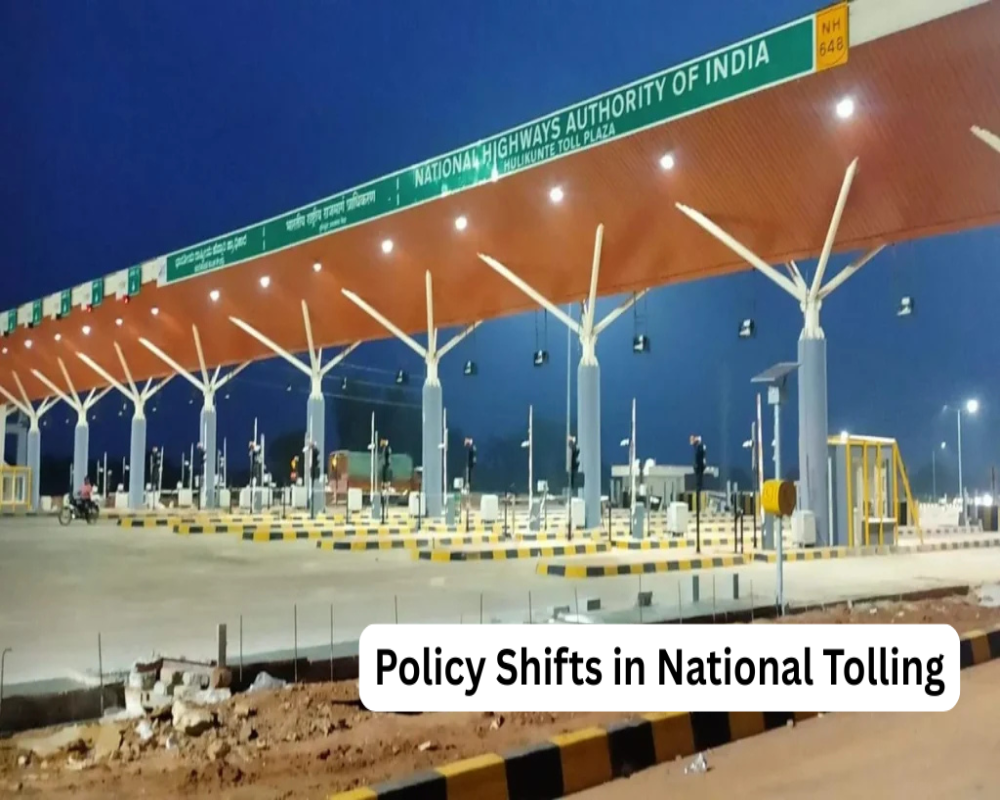
The national tolling strategy in India has undergone significant policy shifts in recent years, driven by the need for sustainable infrastructure funding, efficient road maintenance, and improved traffic management. These shifts aim to modernize the tolling system, promote digitalization, and streamline revenue collection processes while ensuring fairness, transparency, and better user experience. As India continues to expand its road networks under initiatives like Bharatmala Pariyojana and the National Infrastructure Pipeline (NIP), these policy reforms are crucial for managing the growing demands on the nation’s highway infrastructure.
Key Policy Shifts in National Tolling Strategy
- Transition to Electronic Tolling (FASTag)
The shift from manual toll collection to Electronic Toll Collection (ETC) using FASTag has been one of the most impactful policy changes in the national tolling strategy. By mandating FASTag for all vehicles, the government has eliminated cash transactions, reduced wait times at toll booths, and improved revenue collection transparency. The move to digital tolling also supports the broader vision of a cashless and paperless transportation system. - Adoption of GPS-Based Tolling
A major policy shift in tolling is the gradual move towards GPS-based toll collection systems. This move is designed to replace static toll plazas with dynamic tolling, where vehicles are charged based on the distance traveled rather than the entry or exit point. This strategy is expected to reduce congestion at toll booths, provide more flexibility for toll operators, and create a more equitable tolling system for road users. - Hybrid Annuity Model (HAM) and Public-Private Partnerships (PPP)
The introduction of the Hybrid Annuity Model (HAM) has been a key policy shift in funding road projects. This model combines elements of both government and private sector financing, ensuring that private developers share the construction risks while the government provides a portion of the upfront capital. Toll collection under this model allows for long-term sustainability and smoother implementation of large-scale infrastructure projects. - Monetization of Operational Assets (TOT)
The government’s focus on monetizing operational assets through the Toll-Operate-Transfer (TOT) model represents a significant shift in how toll infrastructure is managed. By auctioning off rights to operate and collect tolls on existing highways, the government can generate immediate revenue for reinvestment in road development. This model attracts foreign investment and helps maintain the pace of infrastructure expansion without over-reliance on government funding. - Introduction of Variable Tolling Rates
Another major shift is the introduction of variable or congestion-based tolling. Under this system, toll rates fluctuate based on real-time traffic conditions. Higher tolls are charged during peak hours to reduce congestion, while lower rates apply during off-peak hours. This approach not only helps manage traffic flow but also promotes efficient use of infrastructure, improving overall road usage. - Greater Focus on User Experience and Transparency
The government has increasingly emphasized transparency in toll operations and user-friendly experiences. This includes the introduction of mobile applications for toll payment, real-time traffic monitoring, and grievance redressal systems. These initiatives aim to improve the user experience by providing commuters with more information and reducing complaints related to toll charges. - Environmental Considerations in Tolling
With growing awareness about environmental sustainability, recent tolling policies have incorporated measures aimed at reducing carbon footprints. These include promoting the use of electric vehicles (EVs) with reduced toll rates and implementing policies that encourage cleaner, greener transportation options. Tolling is also being considered as a tool to incentivize the use of public transport or carpooling. - Improved Enforcement and Compliance
Strengthening enforcement mechanisms for toll payments has been another focus of policy reforms. The integration of Automatic Number Plate Recognition (ANPR) technology at toll booths and the expansion of CCTV surveillance are aimed at reducing toll evasion. Additionally, better data collection and reporting systems ensure more accurate toll revenue and prevent fraud.
Conclusion
The policy shifts in the national tolling strategy represent a forward-thinking approach to managing India’s vast road infrastructure. By embracing digital technologies, innovative funding models, and user-centric policies, the government aims to make toll systems more efficient, transparent, and sustainable. These reforms not only address the challenges of infrastructure financing but also enhance the overall road user experience, ultimately contributing to the country’s long-term economic growth and development.
HASHTAGS
#NationalTollingStrategy #TollPolicyIndia #FASTag #DigitalTolling #GPSBasedTolling #HybridAnnuityModel #PublicPrivatePartnership #TollMonetization #CongestionTolling #PPPProjects #RoadInfrastructure #TollReform #InfrastructureDevelopment #TollRevenue #SmartTolling #TransportationInnovation #HighwayDevelopment #TollSystemIndia #SustainableTolling #TollRateInnovation #RoadManagement #InfrastructureFunding #TOTModel #TollingTransparency #TollEnforcement
0 Comments