


General Applicability of Tax
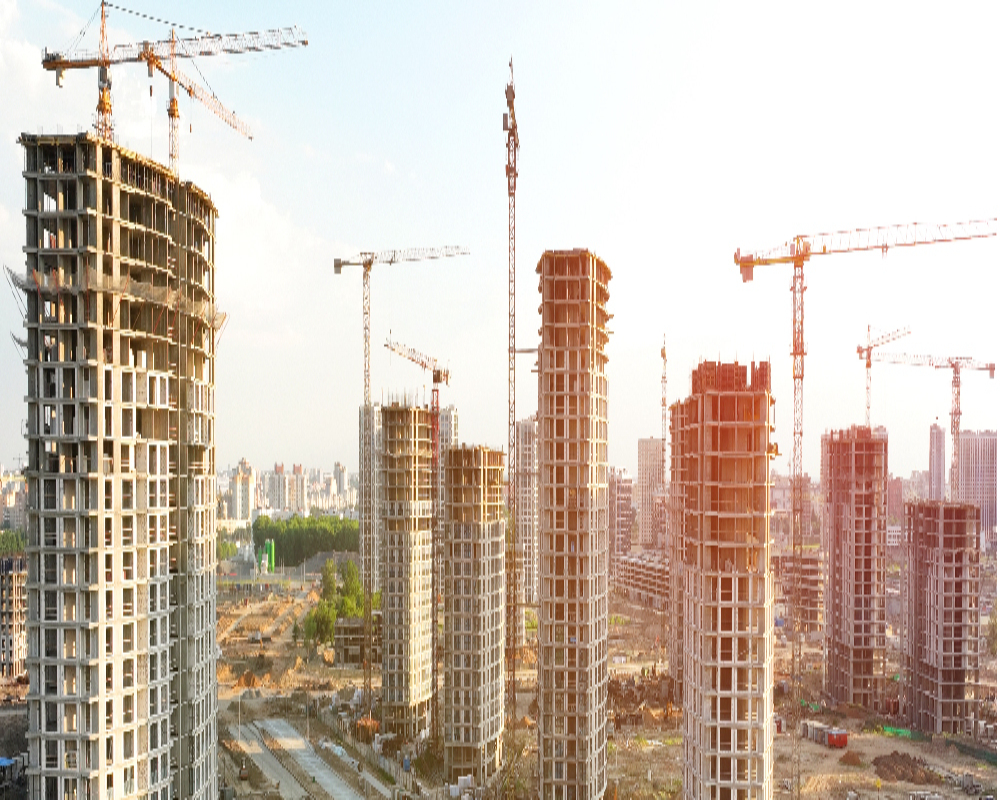
- Property tax may not be immediately applicable to under-construction properties in most cities.
- Tax liability generally begins after the completion or occupancy certificate is issued.
- However, some local bodies may levy tax on vacant land or partially built structures.
- Applicability depends on local municipal rules and assessment policies.
- Owners should verify specific provisions in their city’s property tax regulations.
Tax on Vacant Land Before Construction
- Many municipalities impose vacant land tax even before construction starts.
- The tax is assessed based on plot size, location, and usage category.
- This tax continues until the building is assessed post-completion.
- Owners must declare land status to avoid incorrect billing.
- Delay in declaring construction commencement can attract penalties.
Assessment Upon Completion
- Property tax is formally levied once the building is deemed fit for occupation.
- The issuance of completion certificate or occupancy certificate triggers assessment.
- Post-completion, the property is assigned a tax identification number or assessment number.
- The municipal authority assesses the built-up area, type of construction, and usage.
- A demand notice is issued, and periodic billing begins thereafter.
Self-Declaration and Inspection Process
- Owners may be required to file a self-assessment form during or after construction.
- Municipal inspectors may conduct a site visit to confirm construction status.
- Failure to report completion can lead to backdated assessment and penalty.
- In some areas, temporary structures may also attract tax liability.
- It is important to update municipal records regularly during the construction phase.
Legal and Documentation Considerations
- Documents such as building permits, sanctioned plans, and work progress certificates may be reviewed.
- Legal ownership and land use must be confirmed before assessment.
- Some exemptions may apply if the building is constructed for personal use or charitable purposes.
- Builders or developers may bear tax responsibility until individual units are registered.
- After possession is handed over, the buyer becomes liable for their share of the property tax.
0 Comments