


Nature of ESIC contributions
- ESIC payments are statutory contributions, not income or professional fees.
- These payments are made toward social security and medical benefits for employees.
- Contributions include both the employer’s share and the employee’s share.
- They are deposited with a government-controlled insurance fund.
- Such payments are not categorized as taxable services or earnings.
Tax treatment under income tax law
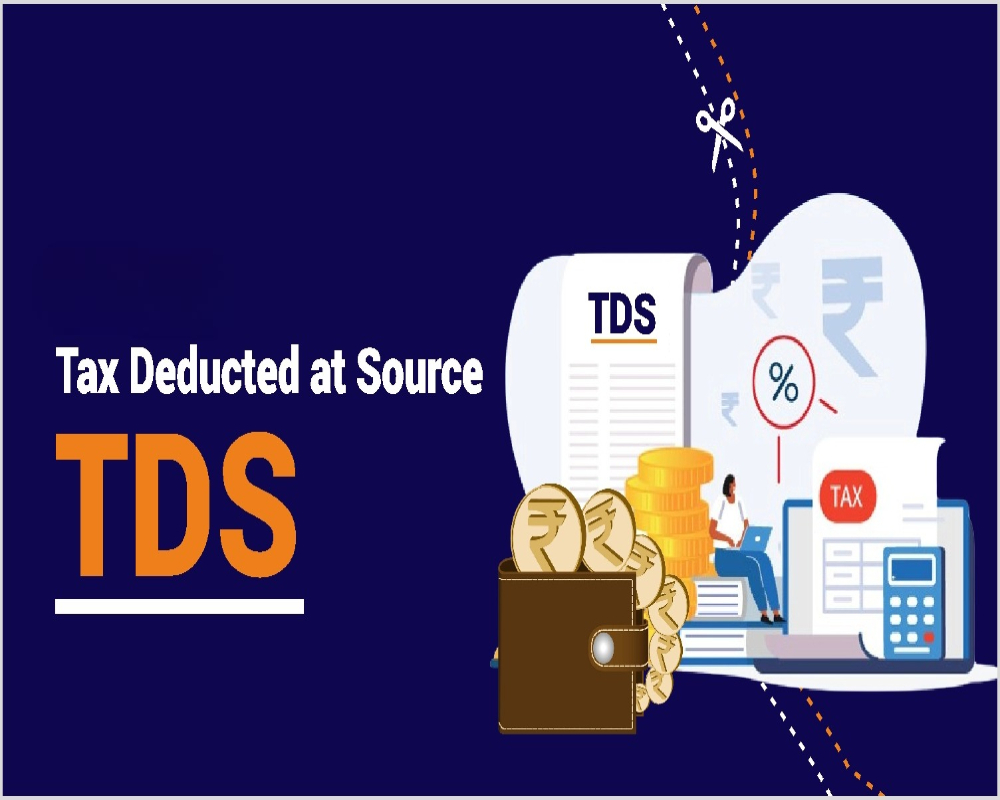
- ESIC contributions do not fall under sections requiring Tax Deducted at Source (TDS).
- The Income Tax Act does not mandate deduction of TDS on statutory remittances.
- There is no withholding tax provision applicable to these kinds of payments.
- Contributions are treated as a statutory liability, not a contractual payment.
- Hence, TDS is not deducted or applied during remittance.
Treatment in employer accounts
- ESIC contributions are recorded under statutory expenses or employee benefit liabilities.
- These do not form part of taxable income or vendor payments.
- TDS is only applicable to specific payment types, not government dues.
- Employers must maintain separate ledgers for ESIC-related entries.
- Regular reconciliation ensures accurate statutory compliance.
Clarification from regulatory authorities
- Various circulars and guidelines clarify that TDS is not to be deducted on statutory payments like ESIC.
- Government and legal audit practices treat ESIC as tax-free and fully remittable.
- No GST or TDS component is applied on ESIC challans or invoices.
- This practice is uniformly followed across industries and regions.
- Any deviation from this treatment is considered a compliance error.
Conclusion on TDS applicability
- TDS is not applicable on ESIC contributions paid by employers.
- Employers should ensure accurate classification of such payments in accounting systems.
- Statutory payments must be processed without any deduction.
- Timely and full deposit of ESIC dues ensures legal compliance.
- No tax should be withheld on ESIC-related disbursements.
0 Comments