

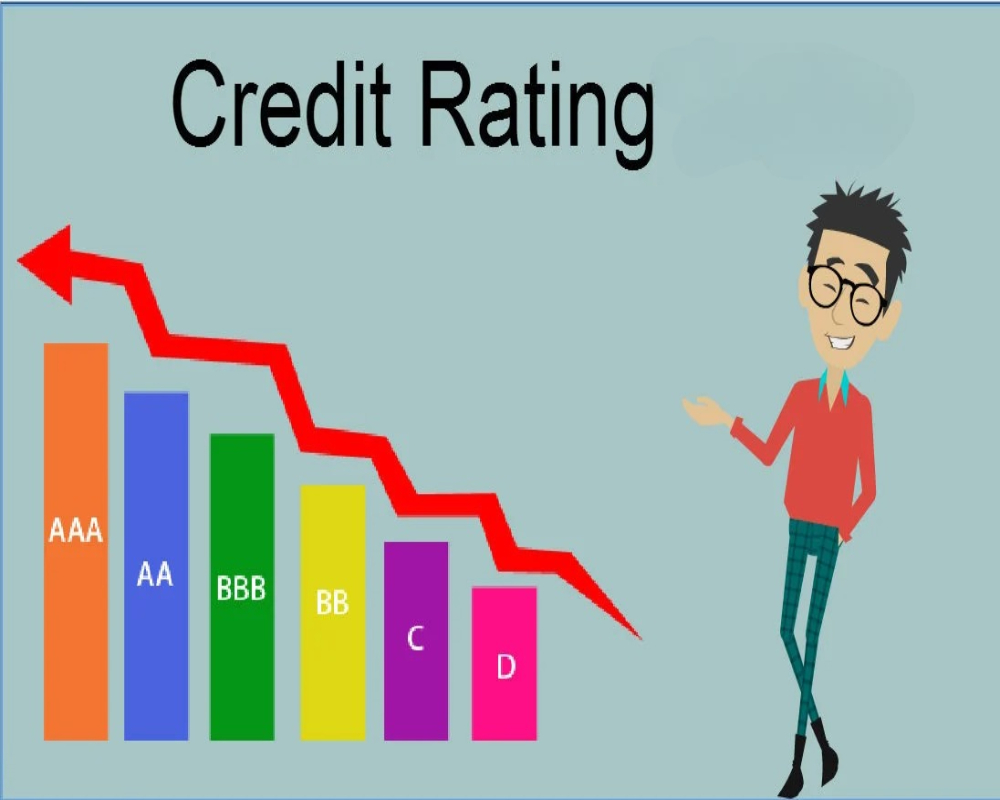

Purpose and Relevance
- Credit ratings assess the subsidiary’s creditworthiness and financial stability for lenders, investors, and regulatory bodies.
- A credit rating is often mandatory for raising debentures, bonds, or external commercial borrowings (ECBs).
- It enhances the transparency and trustworthiness of the subsidiary in the financial market.
- Ratings may be required for participation in public issues, loan syndication, or government tenders.
- Regulatory authorities such as SEBI, RBI, and stock exchanges rely on ratings for compliance assessments.
Applicability of Rating
- Credit rating is not compulsory for all subsidiaries by default.
- It becomes mandatory if the subsidiary issues listed debt instruments, raises ECB, or seeks funding from certain regulated entities.
- Listed subsidiaries must maintain ratings for their debt instruments as per SEBI’s Listing Obligations and Disclosure Requirements (LODR).
- NBFC subsidiaries or financial services arms require credit ratings for capital adequacy and regulatory compliance.
- Ratings may be voluntary if the subsidiary seeks to improve credit terms or market image.
Process of Obtaining a Credit Rating
- The subsidiary must approach an RBI-registered Credit Rating Agency (CRA) such as CRISIL, ICRA, CARE Ratings, or India Ratings.
- The process includes submission of audited financial statements, business model, management information, and projected cash flows.
- The CRA conducts a detailed analysis covering liquidity, solvency, business risk, and market position.
- An initial rating is assigned along with an outlook (e.g., stable, positive, negative).
- The subsidiary must pay a rating fee and enter into an agreement with the rating agency.
Periodic Review and Disclosure
- Ratings are subject to regular surveillance—typically annual reviews or earlier if material changes occur.
- Downgrades or upgrades must be promptly disclosed if the company is listed.
- Credit rating must be mentioned in offer documents, annual reports, and loan agreements if applicable.
- Any default in debt repayment or breach of covenants may trigger an automatic review.
- The CRA has the right to withdraw the rating upon non-cooperation or termination of agreement.
Impact on Financing and Compliance
- Higher-rated subsidiaries can avail loans at lower interest rates and enjoy better market confidence.
- Lenders use ratings to assess risk exposure and loan limits.
- Regulatory guidelines (such as those under ECB norms) restrict borrowing amounts based on rating levels.
- Unrated or low-rated entities may face restrictions or need additional collateral.
- Maintaining a strong credit rating helps in strategic planning, investor relations, and corporate governance.
0 Comments