

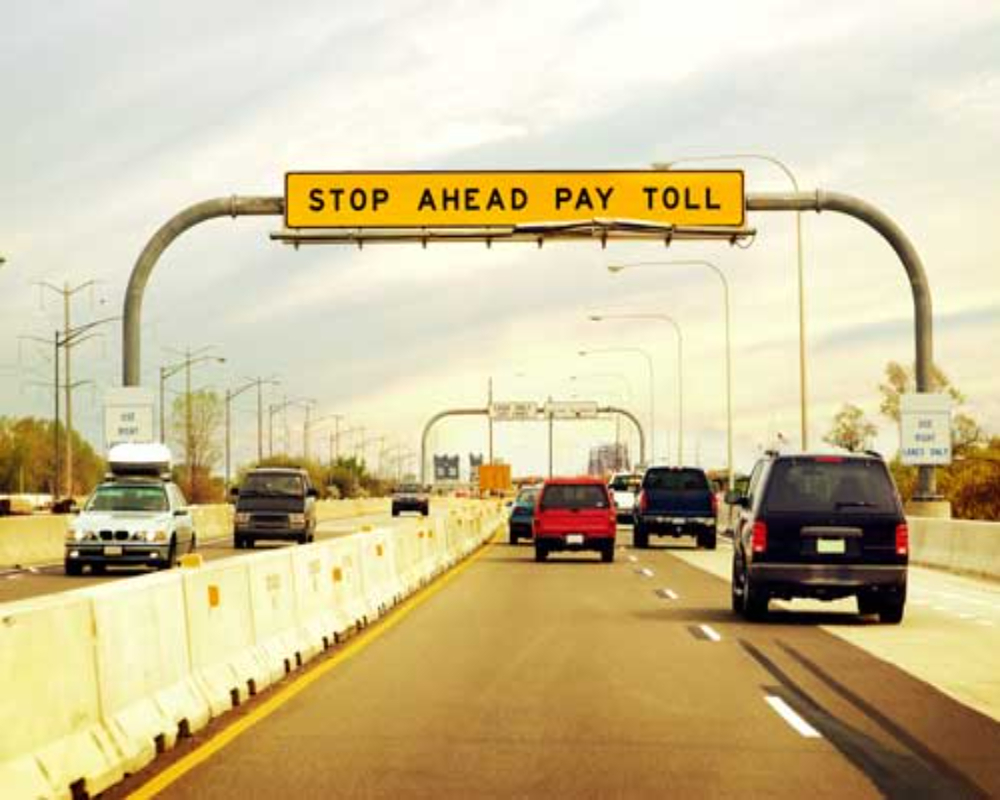

Clarity and Visibility
- Toll signage should be clear, easy to read, and visible from a distance to ensure drivers have ample time to react.
- Signs should use large, legible fonts and high-contrast colors for readability in different lighting conditions.
- All toll signs must be placed at strategic locations, including approach roads and intersections, with sufficient time for drivers to prepare.
- The design and placement of signs should ensure that they are not obstructed by foliage, structures, or other road features.
Standardized Symbols and Icons
- Toll signage must follow standardized symbols and icons that are universally understood by all drivers, including national and international travelers.
- The use of internationally recognized symbols, such as toll booth signs, payment methods, and lane information, is critical for consistency.
- Symbols should be simple, with intuitive representations of the toll process, such as electronic payment, manual booths, or payment lanes.
- Directional arrows and lane indicators must be standardized for clarity and safety.
Advance Warning and Notification
- Toll signage should include adequate advance warning for upcoming toll booths or toll collection areas.
- Warning signs should be placed at appropriate distances, alerting drivers well in advance of toll payment zones.
- Information on upcoming toll charges, payment methods, and lane configurations should be provided well before the toll booth.
- Additional signs should be placed for specific lane instructions, such as dedicated lanes for electronic payment or vehicles with specific passes.
Consistent Placement and Layout
- Toll signage must be consistent in terms of size, placement, and layout across different highway sections and regions.
- Signage should be placed at regular intervals leading up to the toll plaza, guiding drivers towards the correct lane and payment method.
- Road signs indicating toll plaza locations should be visible for both day and night travel, with reflective materials used for nighttime visibility.
- Signage layouts should be consistent across toll booths to avoid confusion, ensuring drivers can predict what to expect when approaching different toll areas.
Regulatory Compliance and Standardization
- Toll signage should comply with national traffic regulations and standards for road signage.
- It must meet the requirements outlined by road safety authorities, including the Indian Road Congress (IRC) and Ministry of Road Transport and Highways (MoRTH).
- Compliance with international standards, where applicable, is essential for consistency in toll road design, particularly for highways connecting different regions or countries.
- Periodic audits should be conducted to ensure that signage remains up-to-date, properly maintained, and compliant with the latest standards.
0 Comments