

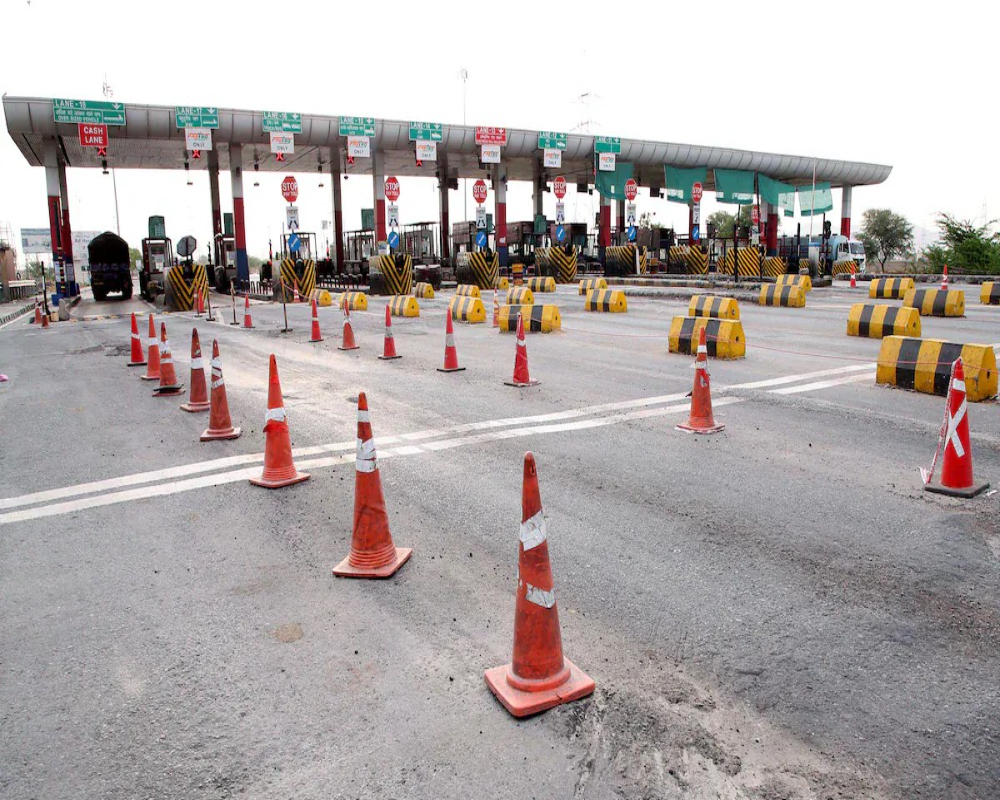

National Overview of Toll Plazas
- As of June 2024, there are 983 functional toll plazas on National Highways across India.
- These toll plazas are distributed across various states and union territories.
- The number of toll plazas in each state varies based on highway length and traffic volume.
- Some states have a higher concentration of toll plazas due to extensive highway networks.
- The distribution reflects the infrastructure development and connectivity priorities of each region.
States with Higher Number of Toll Plazas
- Uttar Pradesh, Maharashtra, and Rajasthan have a significant number of toll plazas.
- These states have extensive national highway networks passing through them.
- High traffic density and strategic locations contribute to the higher count.
- The presence of major cities and industrial hubs increases toll plaza requirements.
- These states play a crucial role in national transportation and logistics.
States with Moderate Number of Toll Plazas
- States like Tamil Nadu, Karnataka, and Gujarat have a moderate number of toll plazas.
- Balanced infrastructure development and traffic management influence the count.
- These states have both national and state highways with toll collection points.
- The number reflects a mix of urban and rural connectivity needs.
- Ongoing infrastructure projects may lead to changes in toll plaza numbers.
States with Fewer Toll Plazas
- Northeastern states and smaller union territories have fewer toll plazas.
- Limited highway lengths and lower traffic volumes are contributing factors.
- Geographic challenges and terrain also impact infrastructure development.
- These regions focus on essential connectivity rather than extensive toll networks.
- Future development plans may alter the current distribution.
Factors Influencing Toll Plaza Distribution
- Highway length and density directly affect the number of toll plazas in a state.
- Economic activity, industrial zones, and urbanization levels play significant roles.
- Government policies and investment in infrastructure development are key factors.
- Traffic studies and feasibility assessments determine the necessity of toll plazas.
- Technological advancements like electronic toll collection influence future planning.
0 Comments