

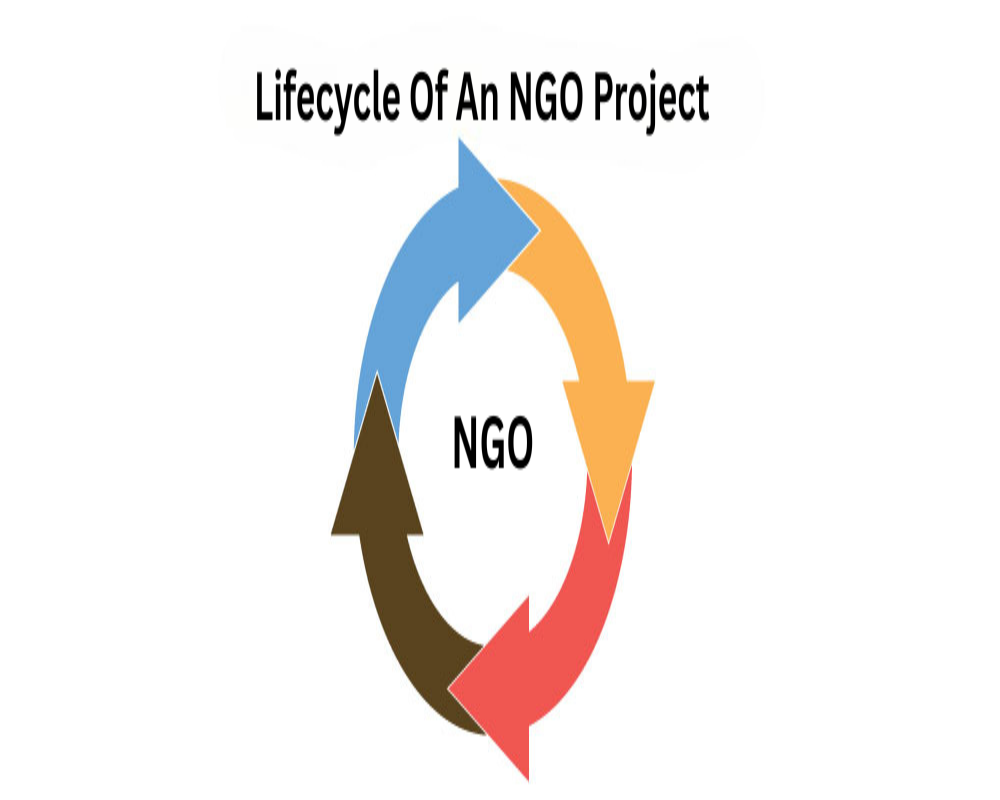

Needs Assessment and Problem Identification
A project begins by identifying gaps in service delivery or community needs through research, surveys, and stakeholder consultation.
- Conduct baseline surveys and focus group discussions
- Use secondary data from government or other NGOs
- Involve community members in identifying priorities
- Analyze root causes and contextual barriers
- Define the scope and urgency of the issue
Project Design and Planning
Detailed planning includes goal setting, budget estimation, activity sequencing, and defining indicators for tracking progress and success.
- Prepare a logical framework or theory of change
- Set SMART objectives with time-bound targets
- Define resource requirements including human, financial, and material
- Identify risks and mitigation strategies
- Plan for stakeholder engagement and communication
Resource Mobilization and Partnership Building
The NGO secures funding and partnerships needed for successful implementation. Proposals are submitted to donors, CSR funders, or government schemes.
- Draft grant proposals with problem statement and budget
- Explore public-private or cross-NGO partnerships
- Ensure compliance with funder eligibility and reporting norms
- Build internal fundraising capacity for sustainability
- Create MoUs and agreements with supporting institutions
Implementation and Service Delivery
The project is rolled out through field activities, staff deployment, and community engagement. Monitoring tools are used to track on-ground progress.
- Recruit and train field teams and coordinators
- Conduct outreach through events, workshops, or campaigns
- Deliver services such as training, education, health, or livelihood support
- Maintain activity logs and beneficiary records
- Adapt interventions based on feedback and local realities
Monitoring and Evaluation (M&E)
Regular review of outputs, outcomes, and timelines ensures the project stays on track and meets objectives. Evaluation captures learning and results.
- Develop M&E framework with defined indicators and tools
- Conduct monthly reviews and adjust implementation where needed
- Collect qualitative and quantitative data through surveys and observations
- Analyze progress against targets and timelines
- Document lessons learned and best practices
Closure and Sustainability Planning
As the project ends, efforts are made to transition services, document impact, and ensure sustainability. Closure activities involve all stakeholders.
- Prepare project completion report with achievements and gaps
- Hold exit meetings with beneficiaries and partners
- Transfer knowledge to community leaders or local bodies
- Explore funding or integration into core NGO programs
- Archive records and share findings with donors and networks
0 Comments