

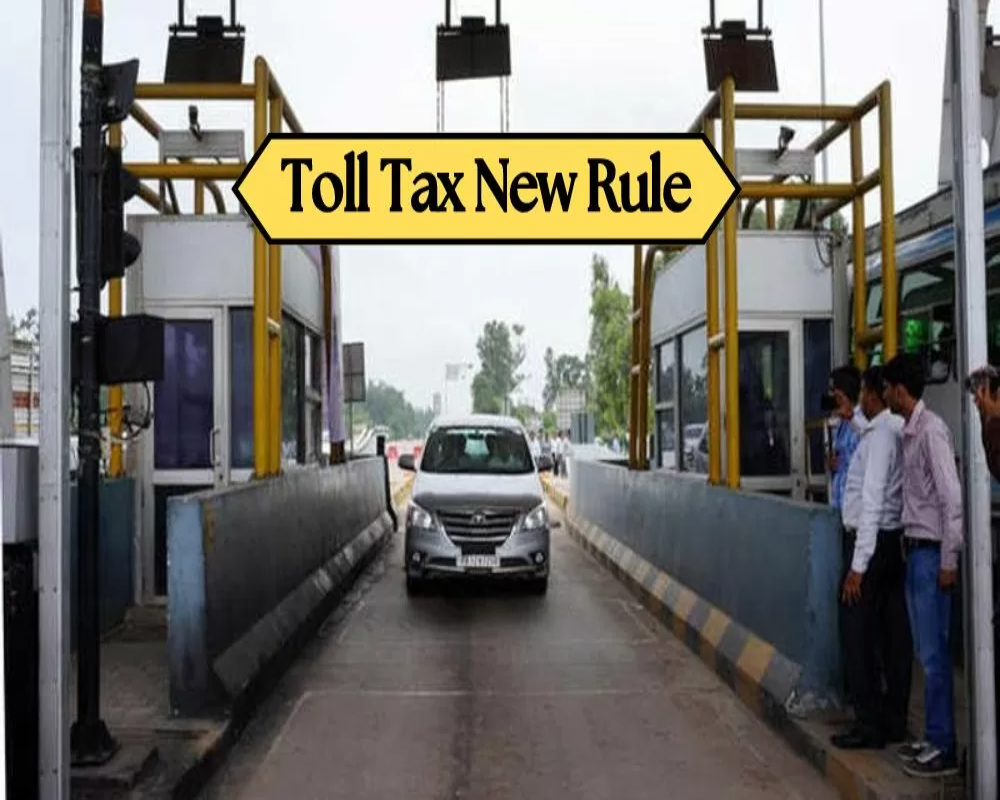

Jurisdiction of Toll Collection
- Toll tax at border crossings is collected based on road ownership and location.
- If the road is a national highway, toll is regulated by NHAI rules.
- For state highways, toll is collected by the respective state authority.
- Toll booths are usually placed before or just after crossing the state border.
- Each state can independently authorize tolls within its territory.
Inter-State Movement and Charges
- Toll is applicable when crossing from one state to another via tolled highways.
- Vehicles may have to pay toll at both entry and exit points depending on the road.
- If using national highways, tolls are collected as per fixed distance-based rates.
- For continuous journeys, multiple tolls may be applicable across states.
- There is no central exemption for interstate border crossings unless specified.
FASTag Application at Border Plazas
- FASTag is mandatory at most border toll plazas on national highways.
- It ensures uniform and contactless toll collection at inter-state entries.
- Vehicle movement and toll deductions are tracked electronically.
- FASTag reduces waiting time and helps avoid disputes at state entry points.
- The same RFID tag works across all national highway toll points.
Special Permits and Exemptions
- Commercial vehicles carrying goods across borders may require state permits.
- Toll exemptions are not automatic and must align with national or state policies.
- Government and emergency vehicles with valid documentation are exempt.
- Border security vehicles are allowed free passage without toll payment.
- State transport buses may have special agreements for toll waivers.
Disputes and Coordination Mechanism
- Toll disputes at borders are handled jointly by road and transport departments.
- Coordination is required between adjacent state authorities and NHAI.
- Guidelines for toll collection are periodically reviewed to avoid duplication.
- Complaint redressal systems are available for incorrect toll deduction issues.
- Inter-state toll management is governed by uniform central rules wherever applicable.
0 Comments