

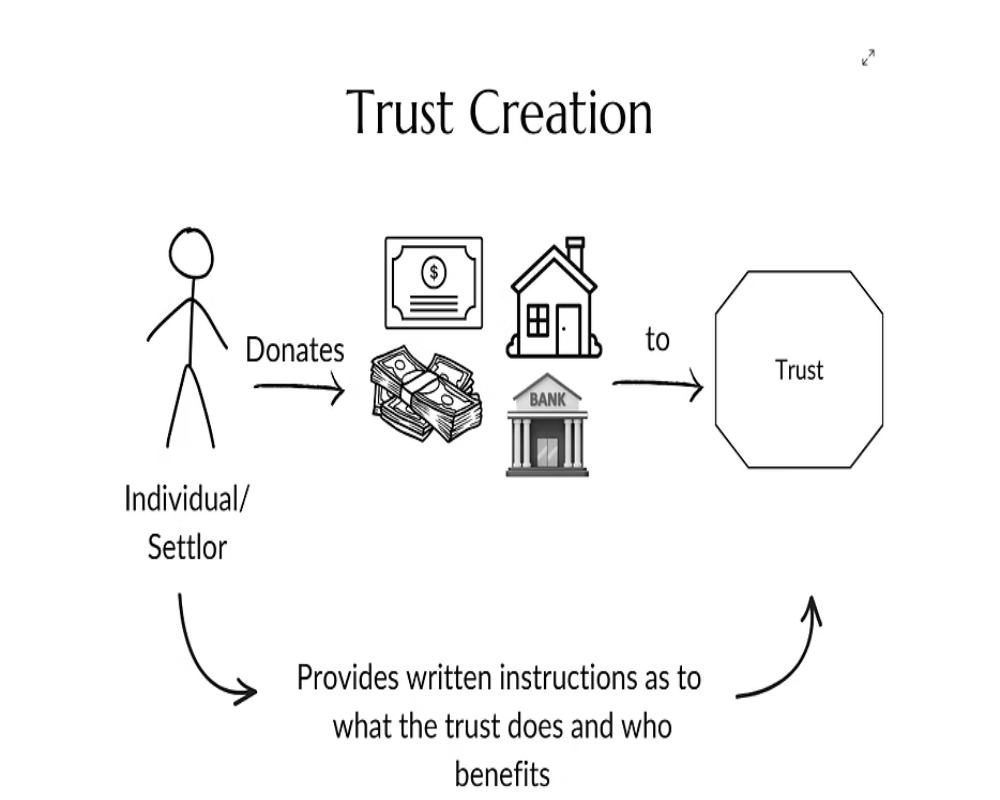

Definition and Concept of Trust Property
Trust property refers to the assets transferred by the settlor to the trust for the benefit of the beneficiaries. It forms the foundation of the trust and is central to its legal existence.
- Can include movable or immovable property, cash, shares, or other assets
- Must be clearly identifiable and legally transferable at the time of creation
- Property is permanently assigned for charitable or specific purposes
- Becomes the subject matter of the trust as mentioned in the trust deed
- Without property, a trust cannot be considered valid or operational
Role in Validating Trust Existence
The presence of trust property is a legal requirement to establish a valid trust. It reflects the intent of the settlor and confirms the formation of the trust relationship.
- Essential to demonstrate that the trust is not merely theoretical
- Validates the transfer of fiduciary responsibility to trustees
- Recognized by courts and registration authorities as proof of creation
- Reinforces the obligation to apply the property for trust objectives
- Absence of property can render the trust deed void or non-functional
Legal Transfer and Ownership Structure
Once the trust is created, ownership of the trust property is transferred to the trustees. They hold it in fiduciary capacity, not for personal benefit but for the trust’s use.
- Trustees are legal owners but only for management and application purposes
- Beneficiaries or charitable goals are the beneficial owners in law
- Property cannot be used for personal gain or unrelated activities
- Settlor relinquishes all control and interest upon transfer
- Transfer must comply with legal formalities for registration and ownership
Documentation and Declaration in Trust Deed
Trust property must be clearly described and documented in the trust deed. This ensures transparency, legality, and enforceability of the trust’s operations.
- Type, value, and details of the property must be mentioned accurately
- Property description must match actual assets contributed
- Corpus fund or fixed asset entries are included in deed annexures
- Proof of possession or ownership may be attached during registration
- Declaration of irrevocability ensures property dedication to trust
Impact on Tax Exemption and Compliance
Trust property is crucial for obtaining tax exemptions under the Income Tax Act. It reflects the financial base and seriousness of the trust’s charitable intentions.
- Required for 12AB registration and 80G approval applications
- Corpus fund and its application must be shown in financial records
- Trust income from property must be used for charitable purposes
- Separate books and investment tracking are necessary for corpus assets
- Misuse or diversion of property can lead to tax exemption revocation
Trust Property as a Source of Sustainability
The trust property provides financial security and continuity for the trust’s functions. It helps the trust carry out its objectives without dependence on external aid.
- Can be used to generate income through interest, rent, or dividends
- Helps in funding projects, activities, and administration costs
- Reduces reliance on unstable donations and grants
- Supports long-term planning and commitment to beneficiaries
- Enhances credibility and confidence among donors and authorities
Safeguarding and Legal Protection of Property
Trustees must protect and manage trust property with utmost care. Legal safeguards are necessary to prevent misuse or loss of trust assets.
- Must be held in the name of the trust, not in individual trustee names
- Insurance, registration, and asset tagging ensure physical security
- Trustees are personally liable for negligence in managing property
- Property disputes must be resolved through legal and documented means
- Regular audits and reporting help in tracking asset utilization and safety
0 Comments