

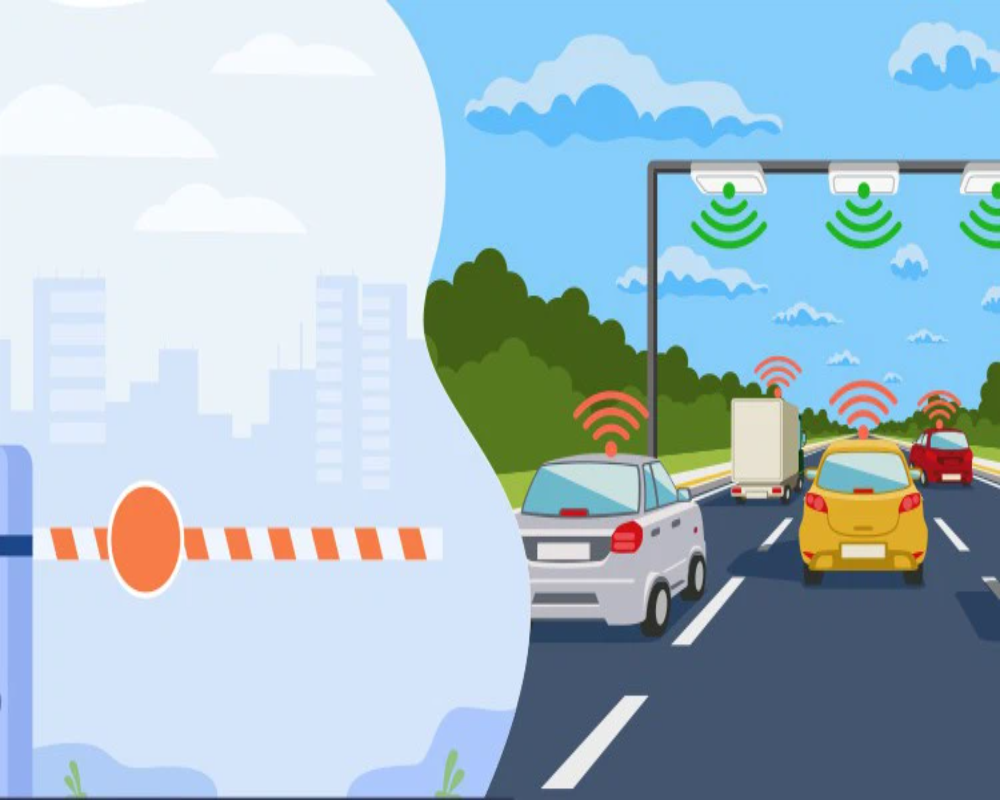

Integration of Smart Tolling Systems
- Smart cities are increasingly adopting automated tolling systems to enhance traffic management and toll collection efficiency.
- Most smart city roads implement Electronic Toll Collection (ETC) systems, such as FASTag, to reduce congestion at toll plazas.
- These systems use RFID tags or GPS-based technology for seamless, contactless toll payments.
- The goal is to integrate tolling with other smart city infrastructure, such as traffic monitoring and urban mobility platforms.
- Some cities are exploring dynamic tolling models, where charges fluctuate based on traffic conditions or peak hours.
Use of Digital Infrastructure for Tolling
- In smart cities, toll booths are being replaced with automated or virtual toll collection points.
- This shift reduces the need for physical toll plazas, easing congestion and improving traffic flow.
- Toll transactions are processed digitally, ensuring real-time data collection and seamless payments via apps or FASTag.
- Digital infrastructure also allows for better tracking of toll revenues, improving transparency and reducing fraud.
- Data collected from tolling systems is integrated into urban management systems, contributing to better traffic management.
Smart City Road Projects and Tolling
- Many new road projects within smart cities include provisions for tolling, especially for highways, expressways, and urban bypasses.
- Toll charges are often used to fund infrastructure development and maintenance, contributing to sustainable city development.
- In some cases, tolls are used for road upkeep, including the development of smart road features like automated traffic lights, intelligent signages, and real-time traffic updates.
- Some cities may introduce tolling for congestion management or to fund eco-friendly transport initiatives, such as electric vehicle lanes or bike-sharing programs.
User Experience and Convenience
- Smart toll systems in cities aim to enhance the user experience by reducing waiting times at toll booths and eliminating manual payments.
- Commuters can benefit from hassle-free travel with toll payments processed via apps, prepaid cards, or in-vehicle tags.
- Real-time updates are provided through digital platforms, ensuring that commuters are aware of toll charges, discounts, and any changes to tolling policies.
- In some cities, users may receive dynamic toll discounts or incentives based on their travel behavior or vehicle emissions.
Future Expansion of Tolling in Smart Cities
- As smart cities grow, the expansion of tolling systems is expected to become more widespread, covering additional roads and high-traffic areas.
- Future tolling projects may integrate with other smart city services, such as parking management, environmental monitoring, and public transportation systems.
- There is a move toward implementing distance-based tolling, where users pay based on the distance traveled on specific roads rather than a flat fee.
- With advancements in data analytics, tolling can become more personalized, allowing for better management of road usage and optimizing urban mobility.
0 Comments