

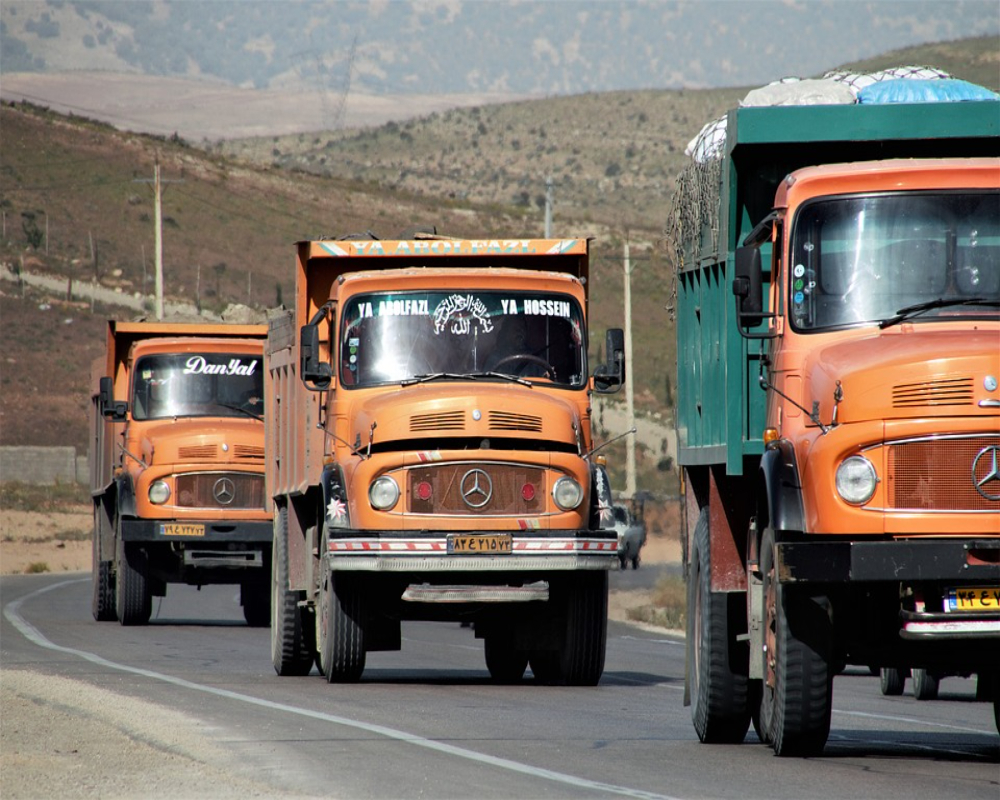

Classification and Toll Rates for Heavy-Duty Trucks
- Heavy-duty trucks, which typically have more than two axles, are classified into higher toll categories.
- Toll rates for trucks are based on their weight, number of axles, and road type.
- The more axles a truck has, the higher the toll it pays, reflecting the increased wear and tear on the road.
- Toll charges are usually calculated per axle or as a fixed rate depending on the specific road or toll plaza.
- Multi-axle trucks generally face higher toll rates than light vehicles or smaller commercial vehicles.
Toll Tax Calculation Based on Axle Count
- Trucks are often classified into several categories based on their axle count, such as 2-axle, 3-axle, 4-axle, and so on.
- Each category has a distinct toll rate to account for the road impact caused by the weight and size of the vehicle.
- A higher axle count typically means a heavier vehicle, which in turn leads to higher toll charges.
- Some toll plazas use a per-axle rate, while others apply a fixed fee depending on the vehicle class.
- Oversized or overloaded trucks may face additional penalties or fees.
Toll Exemptions and Discounts for Heavy-Duty Trucks
- Certain trucks may be exempt from tolls, such as those used for emergency services or government vehicles.
- Some states offer toll discounts for trucks transporting essential goods or agricultural products.
- Regular users, such as local transport companies, may be eligible for discounts or bulk toll passes, depending on the state or toll operator.
- Temporary exemptions are sometimes given during periods of economic distress or natural disasters to facilitate logistics.
- Heavy-duty trucks operating under government contracts or for public services may also qualify for toll exemptions.
Impact of Electronic Toll Collection (ETC) on Trucks
- Heavy-duty trucks equipped with FASTag can pass through toll plazas without stopping, reducing travel time.
- Electronic tolling systems like FASTag ensure accurate toll deductions and minimize delays at manual toll booths.
- The use of electronic toll collection helps streamline the tolling process for trucks, reducing congestion, especially during peak hours.
- Trucks must have their FASTag linked to an active bank account or wallet to ensure smooth toll payments.
- The implementation of ETC has improved compliance and reduced cash handling at toll plazas.
Regulations and Enforcement for Overloaded Trucks
- Overloaded trucks are subject to higher toll charges and penalties at toll booths.
- Toll operators are required to inspect vehicles to ensure they comply with weight limits.
- Overloaded vehicles may be stopped at designated weigh stations to avoid additional toll charges or fines.
- State and national authorities enforce weight limits for trucks to prevent road damage and ensure fairness in toll collection.
- Violators of weight regulations may be required to pay a penalty or even face restrictions on their movement.
0 Comments