

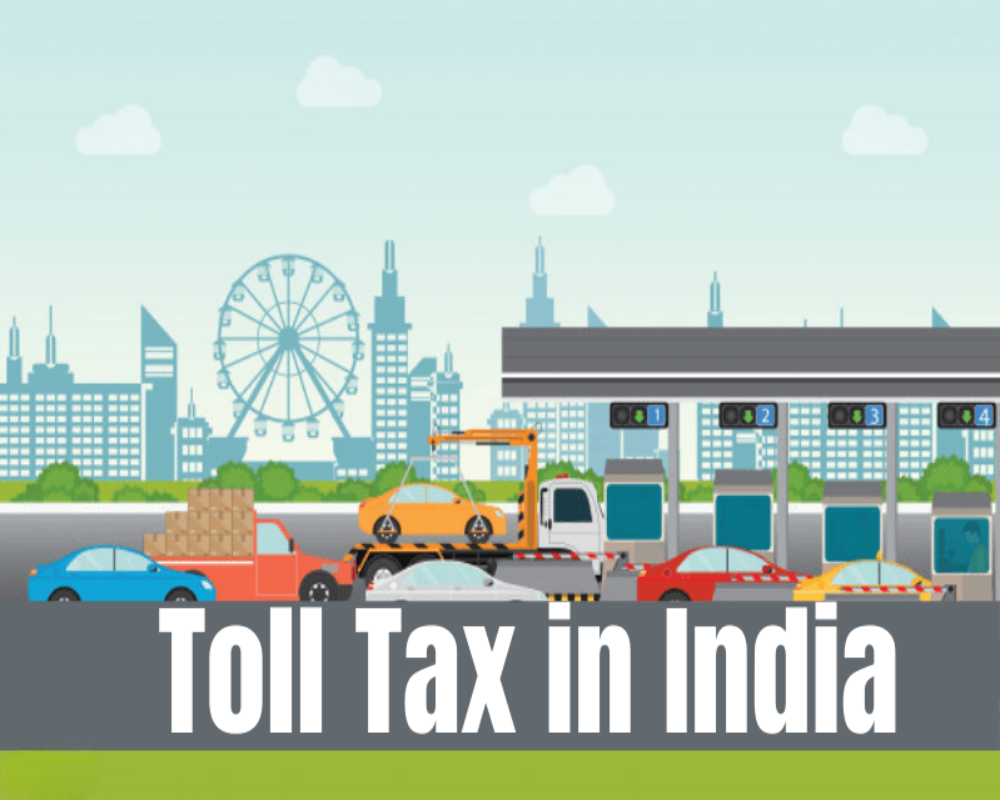

Definition of Toll Tax
- Toll tax is a charge imposed on vehicles for using specific roads or infrastructure.
- It is collected to fund the construction and maintenance of highways, bridges, and tunnels.
- Toll tax is typically paid when crossing designated toll plazas.
- It is mandated by government authorities under specific legal frameworks.
- It ensures cost recovery for infrastructure investment.
Purpose of Toll Collection
- Generates revenue for national and state infrastructure projects.
- Helps in the regular maintenance of roads and expressways.
- Reduces the financial burden on government budgets.
- Encourages private participation in road development projects.
- Supports the creation of better road safety and traffic systems.
Toll Collection Authorities
- Managed by the National Highways Authority of India for national roads.
- State highway authorities manage tolls for state-level roads.
- Some tolls are collected by private firms under public-private partnerships.
- Concessions are granted through contracts for specific durations.
- Regulatory frameworks are followed under relevant transport acts.
Toll Payment and Technology
- Vehicles are charged based on their category and road length.
- Rates are predefined and approved by the concerned authority.
- Electronic toll collection methods are used to avoid cash handling.
- Payments are deducted through linked digital methods.
- Contactless tolling speeds up traffic and reduces delays.
Exemptions and Penalties
- Certain emergency and government vehicles are exempt from toll.
- Local residents may receive concessions at nearby toll plazas.
- Vehicles without valid payment may be fined with double charges.
- Tampering or avoidance of toll payment is a punishable offense.
- Regular audits and surveillance ensure rule compliance.
0 Comments