

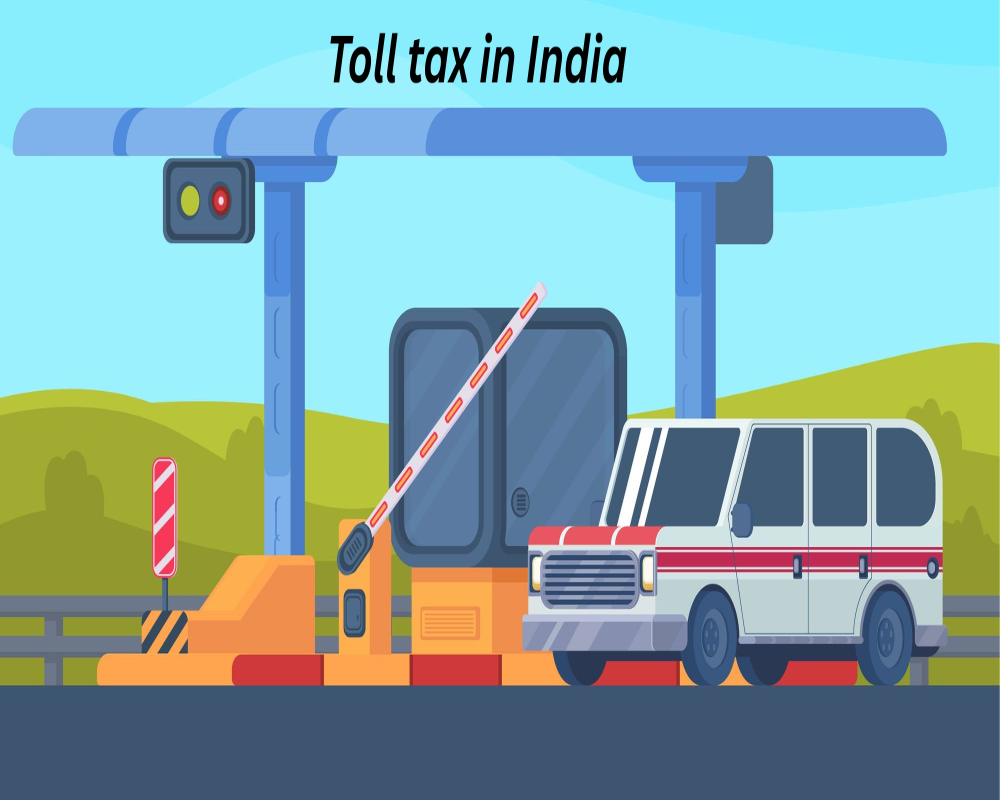

Historical Background
- Toll collection in India dates back to ancient and medieval periods.
- Kings and local rulers levied tolls for using roads and trade routes.
- These charges were collected at gates or checkpoints by officials.
- Toll income supported road maintenance and security patrols.
- It was a recognized source of public revenue in early India.
British Era Introduction
- Formal toll systems were introduced during British colonial rule.
- Tolls were charged for using roads, bridges, and canals.
- The British enacted laws to legalize toll collection across provinces.
- Funds collected were used for road development and administration.
- Toll barriers were placed at major trade and transport points.
Post-Independence Toll System
- After independence, road management shifted to government departments.
- Early toll roads were limited to key bridges and urban stretches.
- The need for infrastructure growth revived toll-based financing.
- Pilot toll projects were launched on national highways.
- Manual toll booths operated with fixed rate schedules.
Introduction of Modern Tolling
- Organized tolling started in the 1990s under economic reforms.
- The National Highways Act was amended to support toll operations.
- Build-Operate-Transfer projects were introduced for highway development.
- Private players were invited to build roads and collect tolls.
- National Highways Authority of India became the lead agency.
Timeline of First Official Toll Road
- India’s first major modern toll project began in the early 1990s.
- The Delhi–Noida–Direct Flyway was one of the first toll expressways.
- Widespread tolling started under the Golden Quadrilateral project.
- The year 1995 marked the start of structured toll policy under NHAI.
- Toll collection has since expanded across national and state highways.
0 Comments